
The Origin of Titanium: Its Discovery, Extraction, and Commercial Processing

Titanium is a remarkable element with a fascinating origin story. It is renowned for its high strength, low density, and corrosion resistance, making it a sought-after material in a wide range of industries. However, titanium does not occur naturally as a pure element. In this article, we will explore the origin and extraction of titanium, the mining and commercial processing involved, as well as the countries that lead in its production and the environmental impacts associated with this industry.
Titanium, symbolized as Ti on the periodic table, was discovered in the late 18th century by a British clergyman and amateur scientist, Reverend William Gregor. In 1791, Gregor found a strange black sand on the beaches of Cornwall, England, that emitted a metal when heated. Recognizing its novelty, he sent samples of the mineral to the Dutch chemist Martin Heinrich Klaproth, who named the element “titanium” after the Titans of Greek mythology, known for their strength.
While titanium does not occur naturally as a pure element, it is widely distributed in the Earth’s crust. The most abundant ores containing titanium are ilmenite and rutile, both of which are primarily found in beach and river sediments. Ilmenite consists of iron titanium oxide, while rutile is composed solely of titanium dioxide.
The extraction of titanium from its ores is a complex process that involves several steps. First, the ores are mined using traditional techniques such as open-pit or underground mining. Once the ores are extracted, they undergo a series of physical and chemical processes to separate the titanium from other impurities such as iron, silicon, and aluminum.
The most commonly used extraction method for titanium is the Kroll process, developed by William Justin Kroll in the early 20th century. In this process, titanium tetrachloride (TiCl4) is used as an intermediate compound. The extracted ore is initially converted into titanium dioxide (TiO2), which is then reacted with chlorine gas to form TiCl4. Finally, magnesium is used to reduce TiCl4, resulting in the production of metallic titanium.
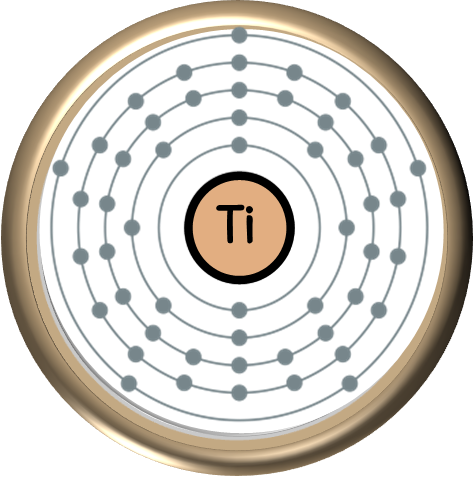
Once the titanium is extracted, it goes through a series of commercial processing steps to produce various forms such as ingots, sheets, powders, or alloys. These processes typically involve melting, casting, forging, or machining, depending on the desired end product.
While titanium resources are distributed globally, a few countries dominate its production. As of 2021, Australia is the leading titanium mining country, followed by South Africa, Canada, China, and India. The high concentration of titanium mining in certain countries can have significant effects on the environment.
Titanium mining, like any other industrial activity, has environmental impacts. The mining process involves land clearing, soil erosion, and the release of toxic chemicals into surrounding ecosystems. Additionally, titanium mining can disrupt habitats, leading to the displacement or extinction of plant and animal species. The extraction of titanium also requires a significant amount of energy, contributing to greenhouse gas emissions.
In terms of commercial production, China is the largest producer of titanium, followed by Russia, Japan, and the United States. The production of titanium in these countries is driven by various factors such as resource availability, technological capabilities, and industrial demand. The dominance of certain countries in titanium production can have significant geopolitical and economic implications.
In conclusion, titanium, a highly useful and versatile element, does not occur naturally as a pure element but is instead extracted from ores such as ilmenite and rutile. The extraction and commercial processing of titanium involve complex methods, including the Kroll process. The leading titanium mining countries include Australia, South Africa, Canada, China, and India, while China dominates in commercial production. However, the concentration of titanium mining in certain countries can have environmental consequences, including habitat disruption and increased carbon emissions. As the demand for titanium continues to grow, it is crucial to find sustainable and environmentally friendly methods to extract and produce this valuable element.
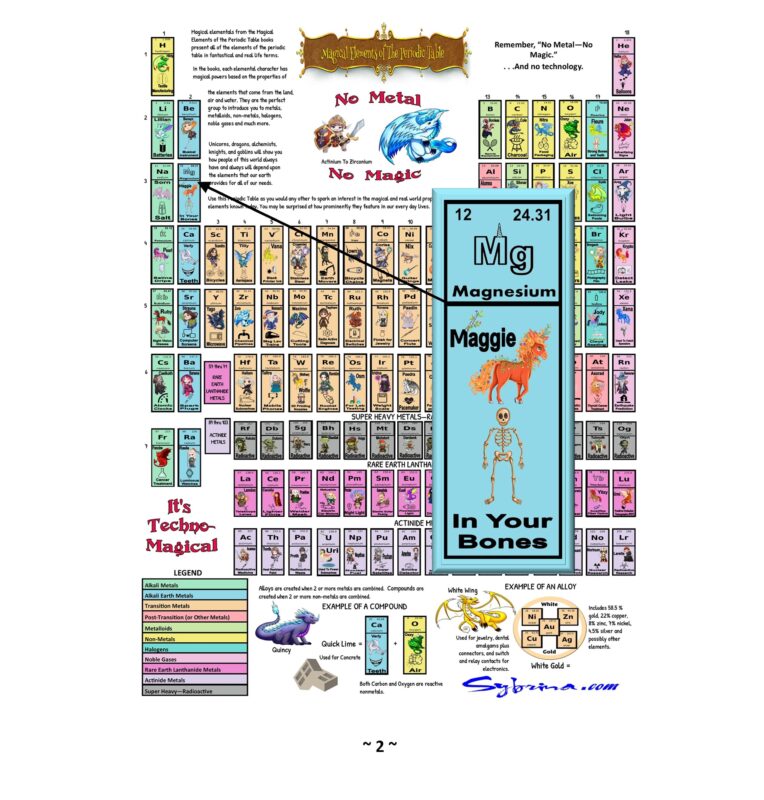
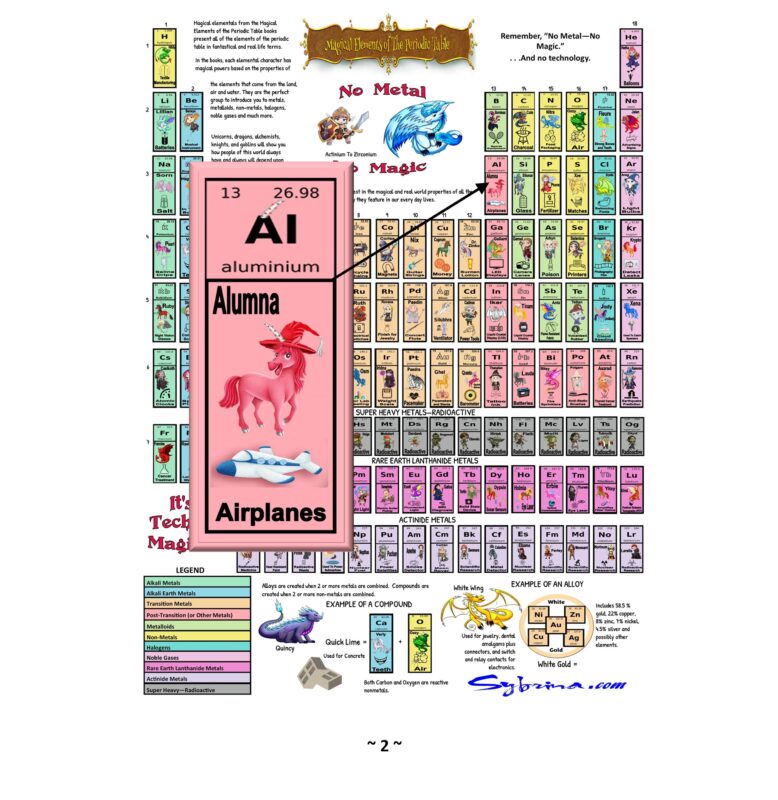
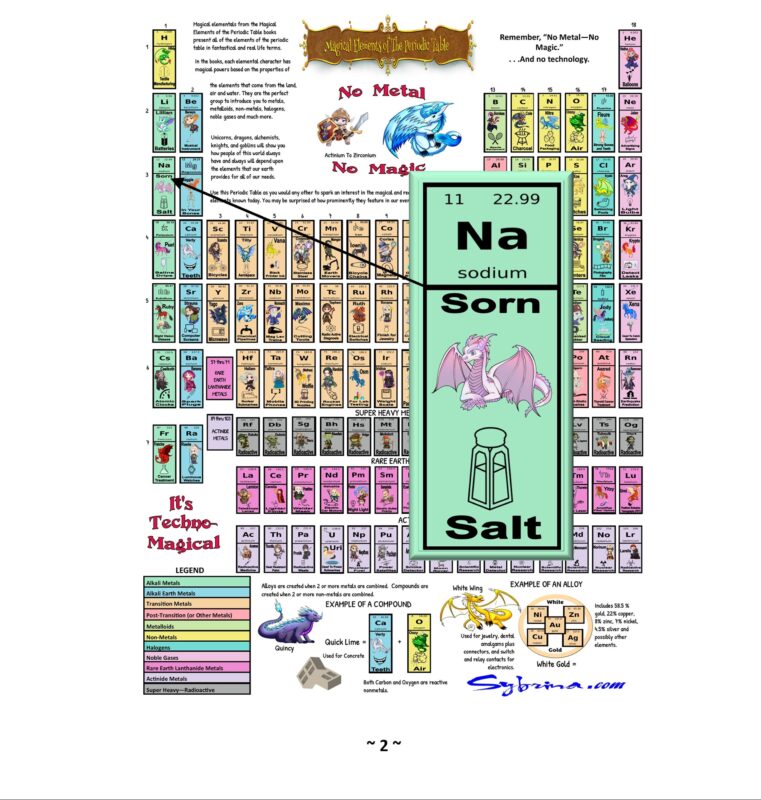
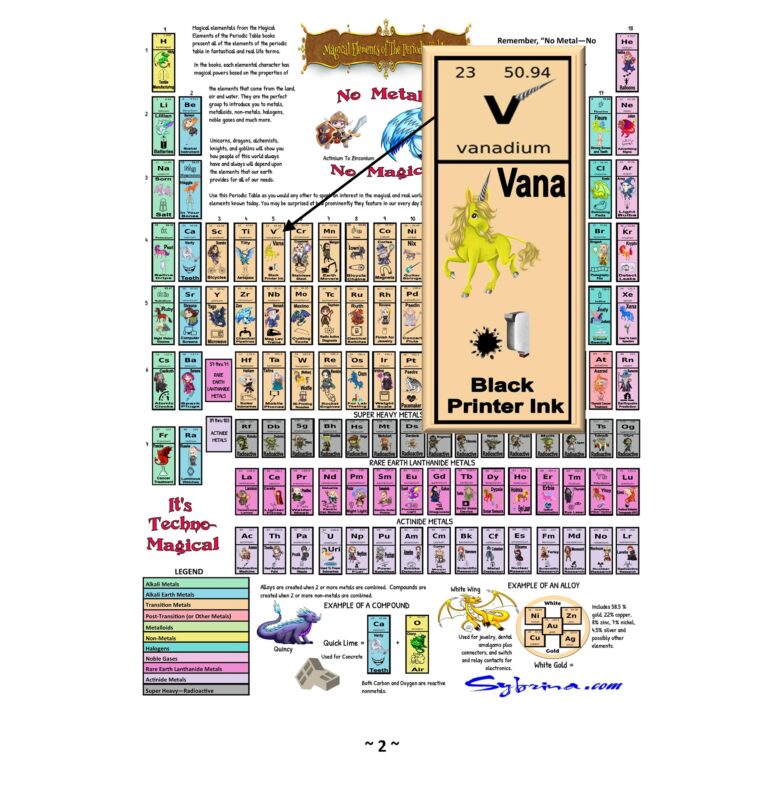
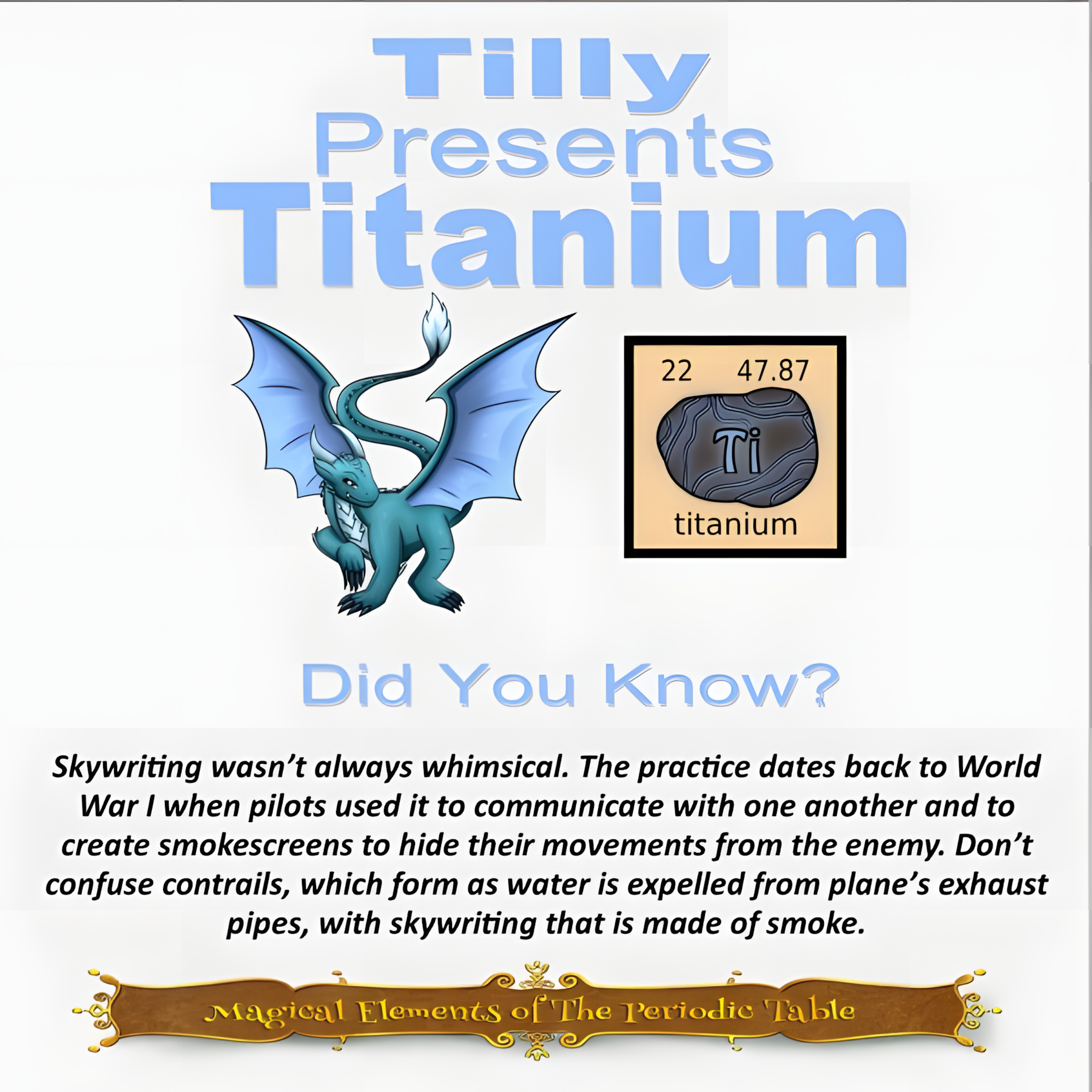
This article is brought to you by Sybrina Durant, the author of the middle grade picture book, Magical Elements of the Periodic Table Presented Alphabetically By The Elemental Dragons. Learn More. In that book Titanium is presented by the dragon, Tilly.


Inter-Active Elemental Fantasy-Themed Periodic Table from Magical Elements of the Periodic Table Presented Alphabetically by The Elemental Dragon Clan
Click here to use This Inter-Active Viewer To Learn More About The Elements Each Elemental Represents On This Periodic Table. Want this in a 24″ x 36″ Poster? Click here.

Sybrina Publishing Offers Fun Activities Based On The Book
Magical Elements of the Periodic Table Magical Elementals
Browse Magical Elemental Activities at MagicalPTElements or Sybrina-Publishing on TPT or Classful