
The Origin of Francium: Is it Found in Nature as a Pure Element?
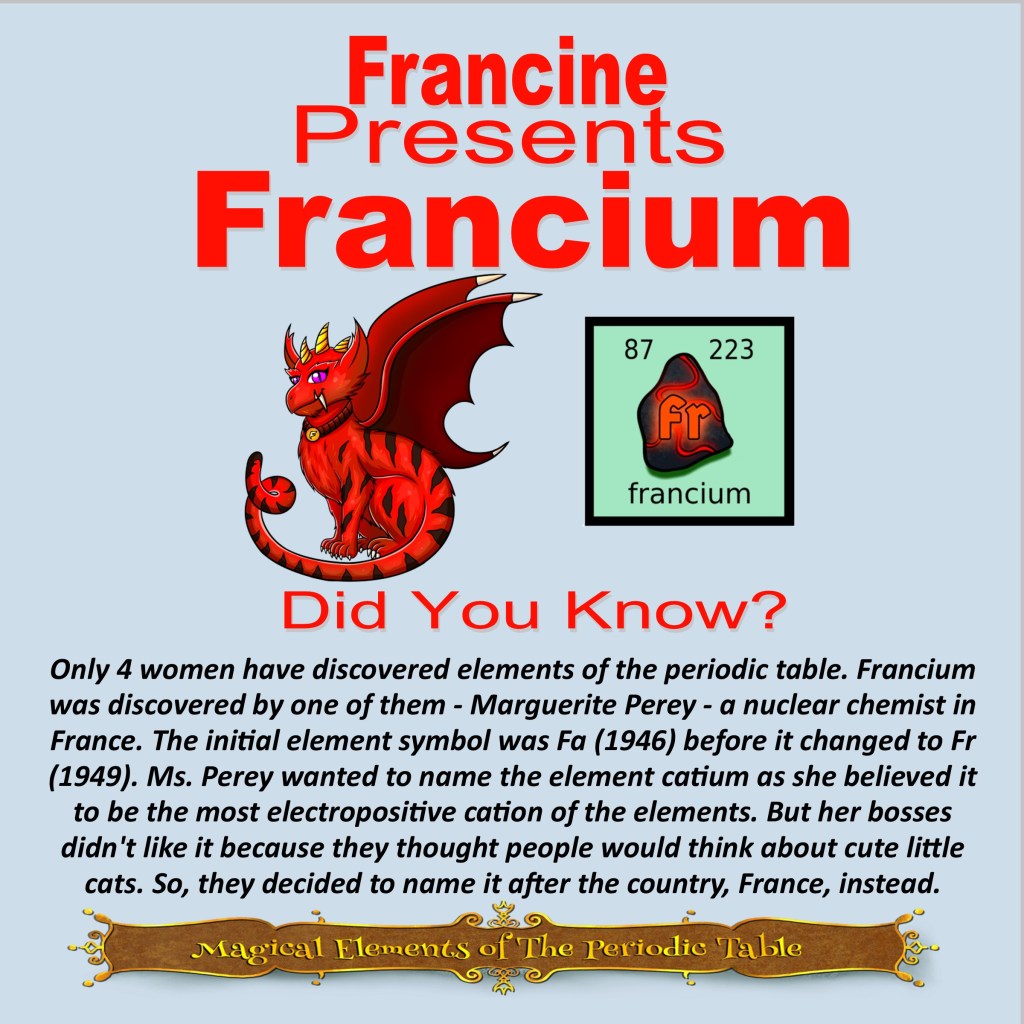
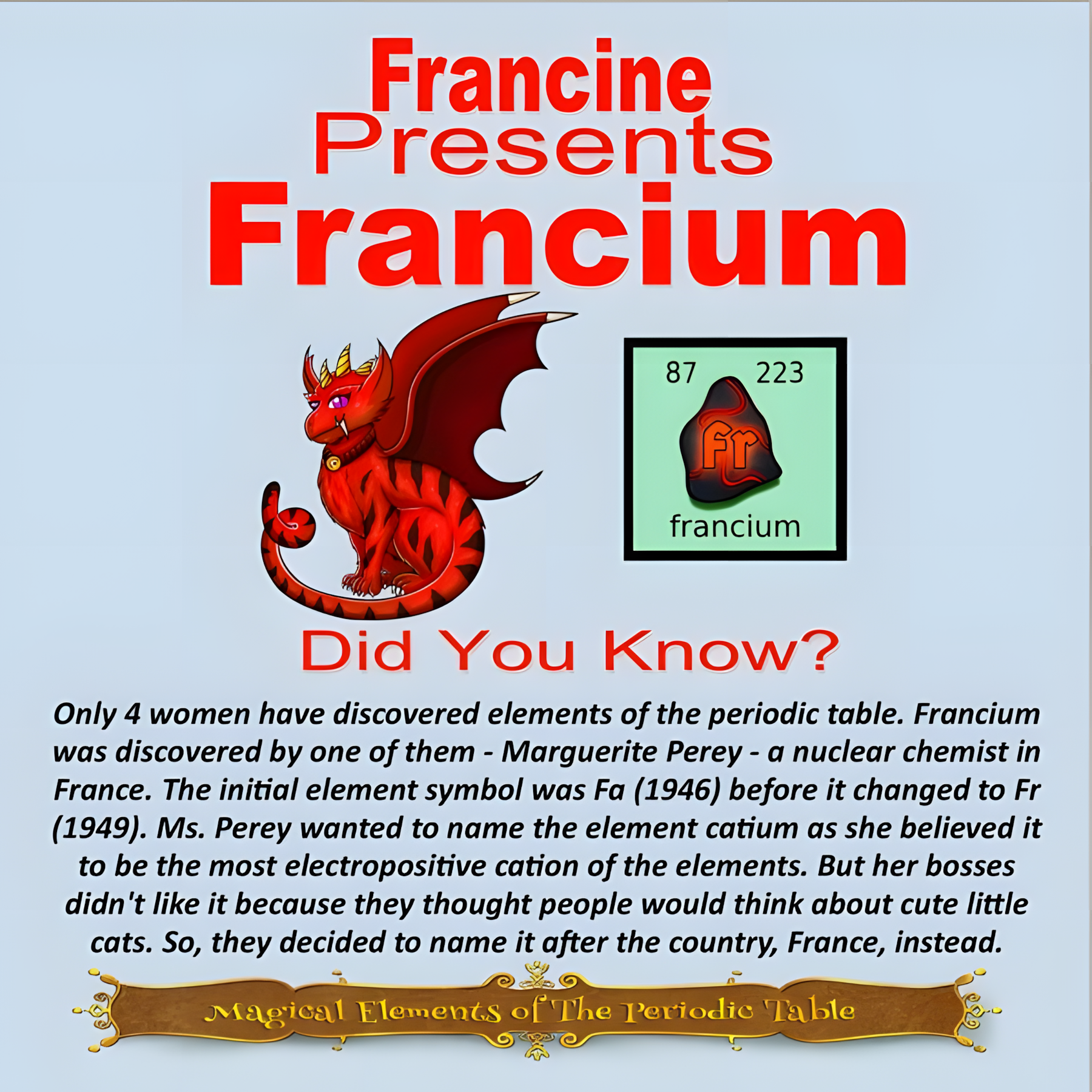
Francium, a highly unstable and radioactive element, is part of the alkali metal group on the periodic table. Its atomic number is 87, and it is represented by the symbol Fr. Francium is extremely rare, and its existence was confirmed in 1939 by Marguerite Perey, a French physicist. However, due to its unstable nature and short half-life, francium does not naturally occur as a pure element in substantial quantities.
Being a member of the alkali metal group, francium shares many similarities with other elements such as sodium and potassium. It is believed that francium would display similar chemical properties to its neighboring members if it could be isolated in larger quantities. However, due to its short half-life, estimated to be around 22 minutes, it is incredibly challenging to study and experiment with francium.
Francium is not only extremely rare but also difficult to extract and isolate. It is not found as a naturally occurring pure element, making it necessary to extract it from various radioactive materials such as uranium and thorium. These materials contain trace amounts of francium that are produced as decay products.
The process of mining francium is intricate and challenging due to its scarcity and radioactivity. The primary source for obtaining francium is the decay of actinium-227, which produces a small amount of francium as a byproduct. However, the extraction process is complex and requires specialized equipment and expertise.
The mining process for francium involves extracting and purifying actinium-227 from ores containing uranium or thorium. These ores are typically found in underground mines, and specialized techniques are used for extraction. The ores are crushed and treated with chemical reagents to release the actinium-227, which is then further purified through a series of complex processes. Finally, francium is separated from actinium-227 using various separation techniques.

Commercial processing of francium is an even more challenging task due to its highly radioactive nature and short half-life. Francium is primarily used for scientific research and experimentation in laboratories. Its applications are limited to niche areas, such as studying atomic structure and nuclear reactions.
Due to the extremely limited supply and its high radioactivity, the commercial production of francium is practically non-existent. As a result, it is challenging to identify a specific country that mines or commercially produces the most francium.
Nevertheless, since francium is usually extracted from uranium or thorium ores, countries that mine and process large amounts of these ores could indirectly contribute to the production of francium. Kazakhstan, Canada, and Australia are among the largest producers of uranium, making them potential contributors to francium extraction.
The environmental impact of francium mining is relatively minor due to its rarity and low quantities. Most mining operations focus on extracting uranium or thorium, and francium is merely a byproduct. However, the extraction and processing of uranium and thorium do have environmental implications, including land disruption, water pollution, and potentially harmful radioactive waste.
In conclusion, francium does not occur as a pure element in nature in substantial amounts. It is extracted from radioactive materials such as uranium and thorium, typically as a byproduct. The mining process for francium involves complex procedures, and commercial production is practically non-existent due to its highly unstable nature and limited applications. While specific countries that mine the most francium cannot be identified, those with significant uranium or thorium mining operations are potential contributors. However, the environmental impact of francium mining is relatively minimal compared to the overall impact of mining uranium and thorium.
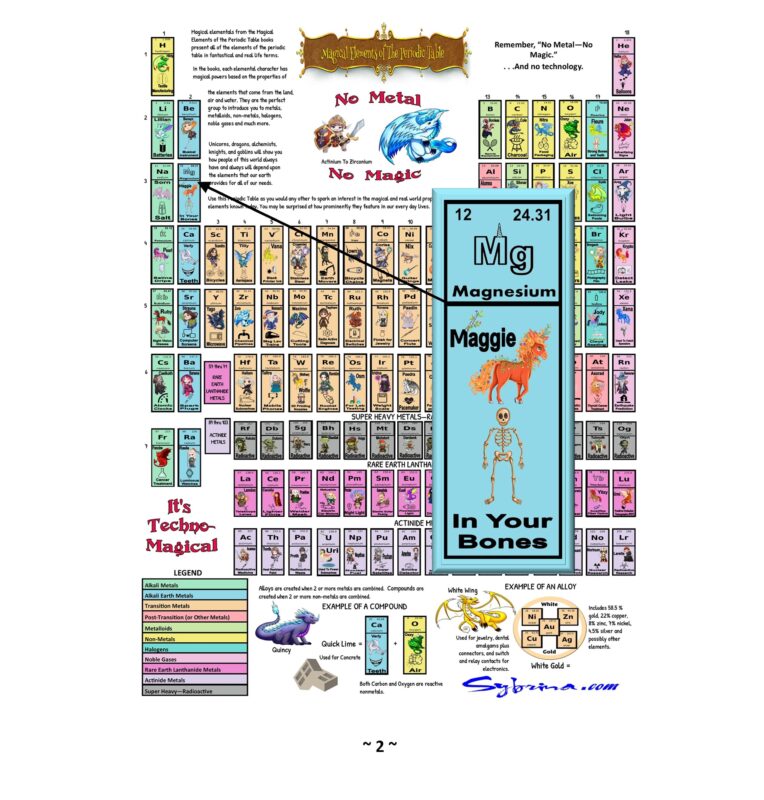
This article is brought to you by Sybrina Durant, the author of the middle grade picture book, Magical Elements of the Periodic Table Presented Alphabetically By The Elemental Dragons. Learn More. In that book Francium is presented by the dragon, Francine.


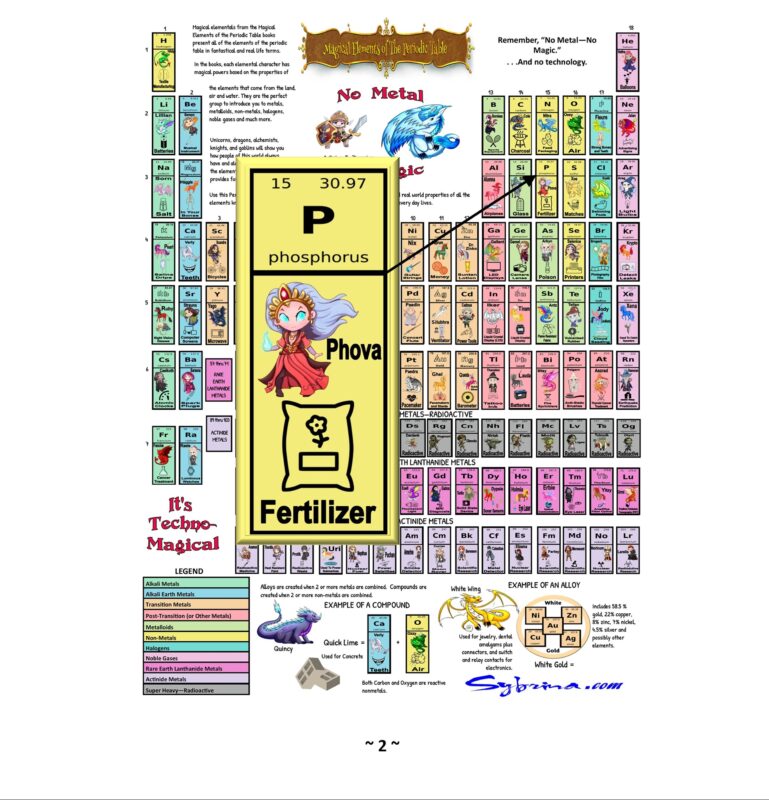
Inter-Active Elemental Fantasy-Themed Periodic Table from Magical Elements of the Periodic Table Presented Alphabetically by The Elemental Dragon Clan
Click here to use This Inter-Active Viewer To Learn More About The Elements Each Elemental Represents On This Periodic Table. Want this in a 24″ x 36″ Poster? Click here.

Sybrina Publishing Offers Fun Activities Based On The Book
Magical Elements of the Periodic Table Magical Elementals
Browse Magical Elemental Activities at MagicalPTElements or Sybrina-Publishing on TPT or Classful