
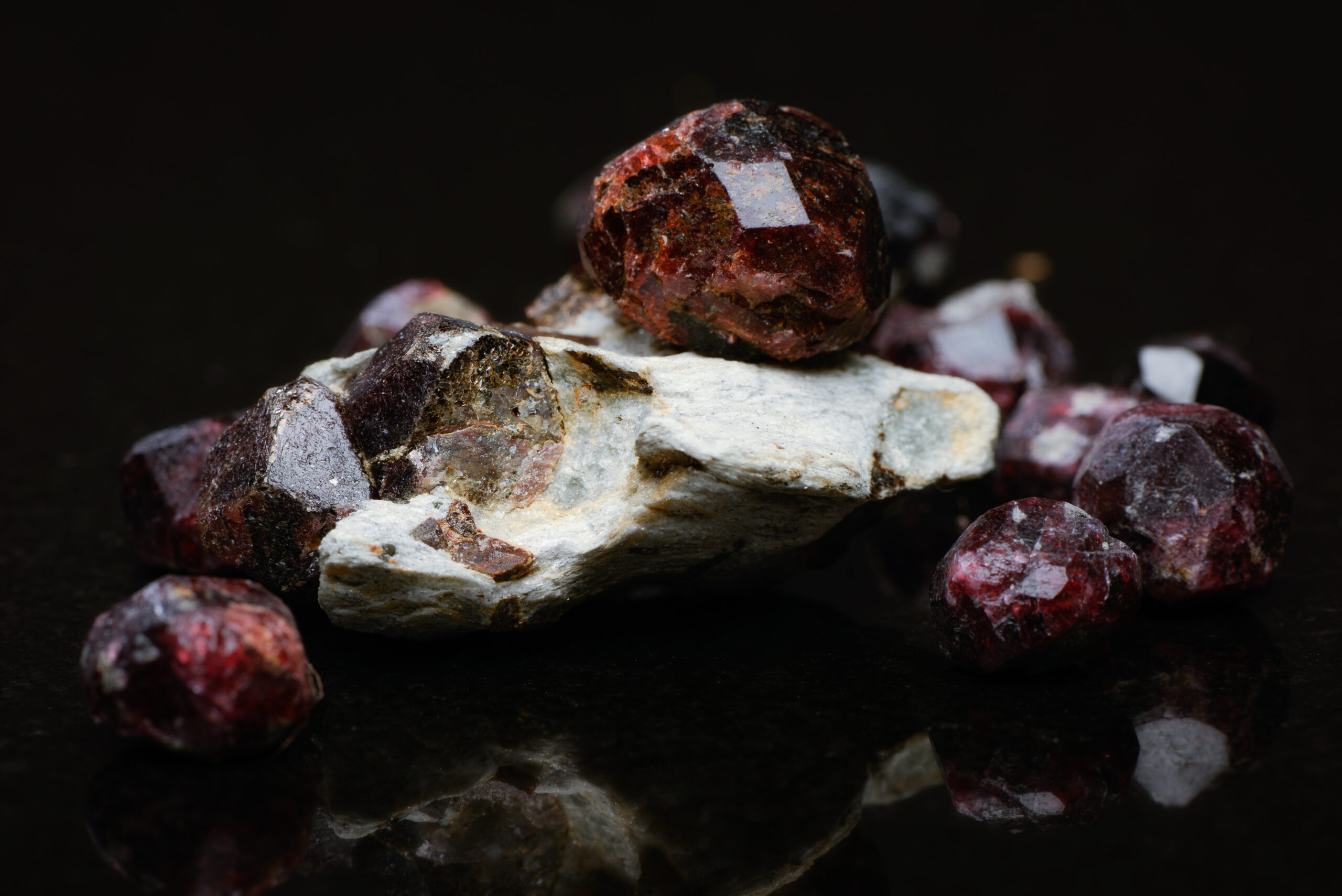
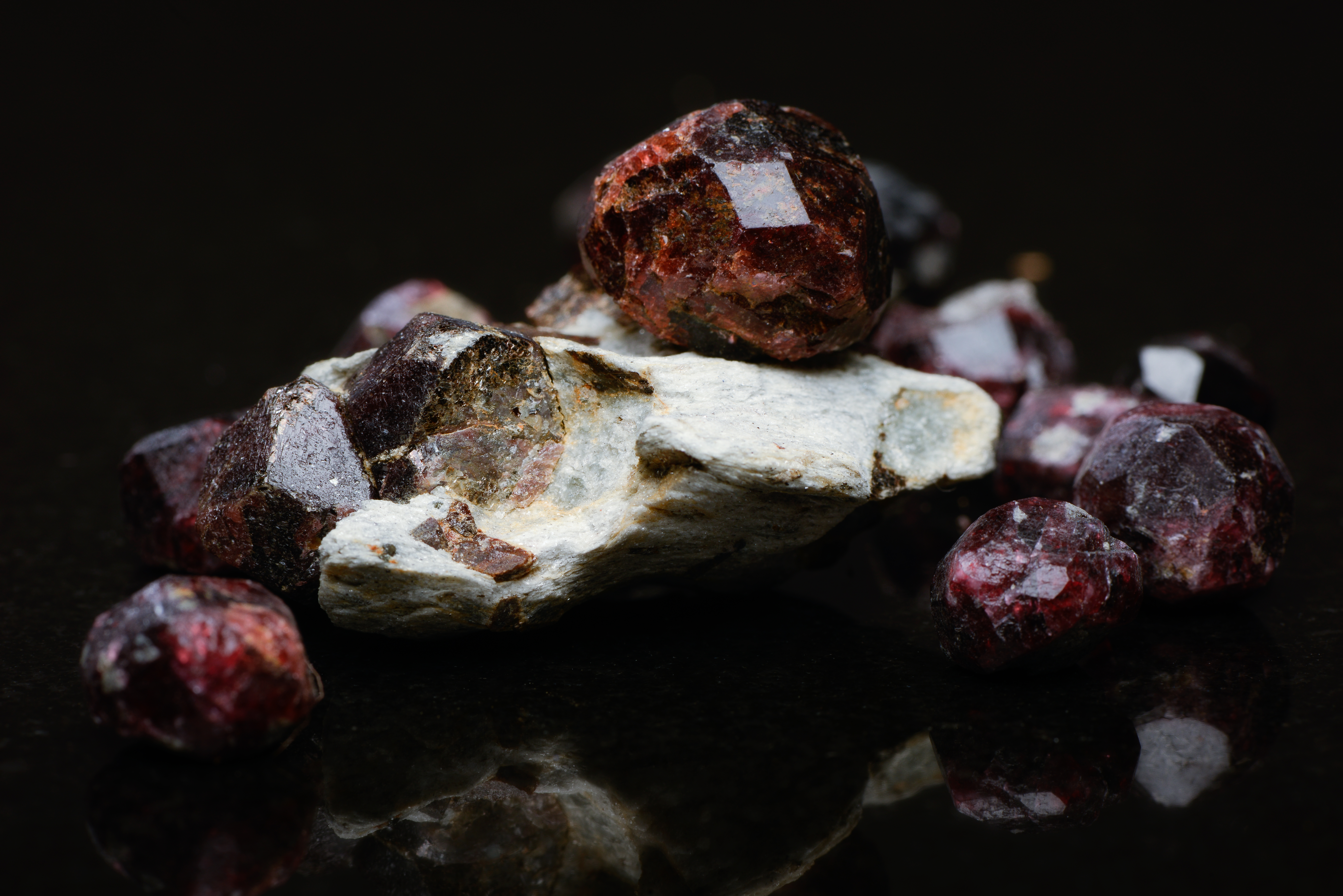
January’s birthstone is garnet, a vibrant gemstone renowned for its rich red hue, reminiscent of pomegranate seeds, although it comes in a variety of colors including yellow, green, and orange. Some garnets even change color from blue to purple under different lighting. Symbolizing prosperity, love, and strength, garnet holds particular significance for those born in January, reflecting themes of renewal and commitment. It embodies love, devotion, passion, protection, and safety for travelers, making it ideal for January’s focus on new beginnings and intentions.
The name garnet is derived from the pomegranate, linking it to concepts of rebirth. In ancient times, garnet was believed to promote good health, prosperity, and protection against negativity, aligning perfectly with the start of a new year. Ancient Egyptians used garnets in ceremonial jewelry for protection in the afterlife, Romans cherished them for signet rings and talismans, and during the Middle Ages, they were thought to guide travelers and symbolized Christ’s sacrifice. Today, garnet’s fiery colors connect to passion while offering motivation and clarity, making it a fitting stone for reflection and goal setting at the year’s start.
Early humans perceived garnets as magical, associating their blood-like color with life and protection. They believed garnets could ward off evil, heal wounds, guide travelers, and bring good fortune. Used as amulets and in burial rituals, their resemblance to blood and pomegranate seeds solidified garnets’ association with vitality. Crusaders wore garnets for protection in battle, while Romans used them in rings, and various cultures throughout history linked them to healing and guidance.

Garnets are not only used in jewelry but are mainly valued in industry because they are hard and useful in many scientific fields. They are crushed to make garnet paper, which is a common kind of sandpaper for finishing and polishing wood, leather, glass, and metal. Lower-quality garnets are used in sandblasting, making it a safer option than silica sand, which can be harmful to health. In waterjet cutting, garnet is added to a high-pressure water stream to cut through tough materials like steel, ceramics, and stone, producing little dust. Garnet is also used in water purification and waste treatment because it is stable and grainy.
Garnet grains are used to create nonskid surfaces on roads and other busy areas. Some special types of synthetic garnet are used in advanced technologies, like in lasers and microwave filters. Historically, garnets were carried by travelers as lucky charms to protect against danger and evil. They were even used as bullets in conflicts, like during an 1892 rebellion in India, believed to cause worse wounds because of their red color. In ancient Rome, carved garnet rings were used to stamp important documents. During the Middle Ages, people used ground garnets in home remedies thought to treat depression and heart problems. There are also legends that suggest Noah used a glowing garnet to light the Ark during the flood. Additionally, geologists study garnets to understand the pressure and temperature conditions of the rocks they are found in, making them important for learning about the Earth’s history.
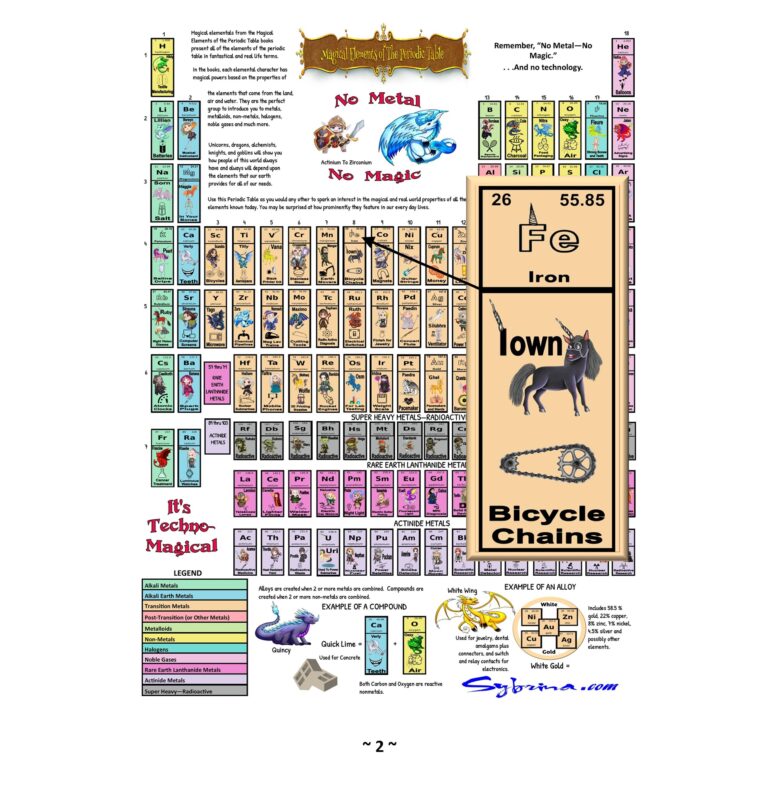
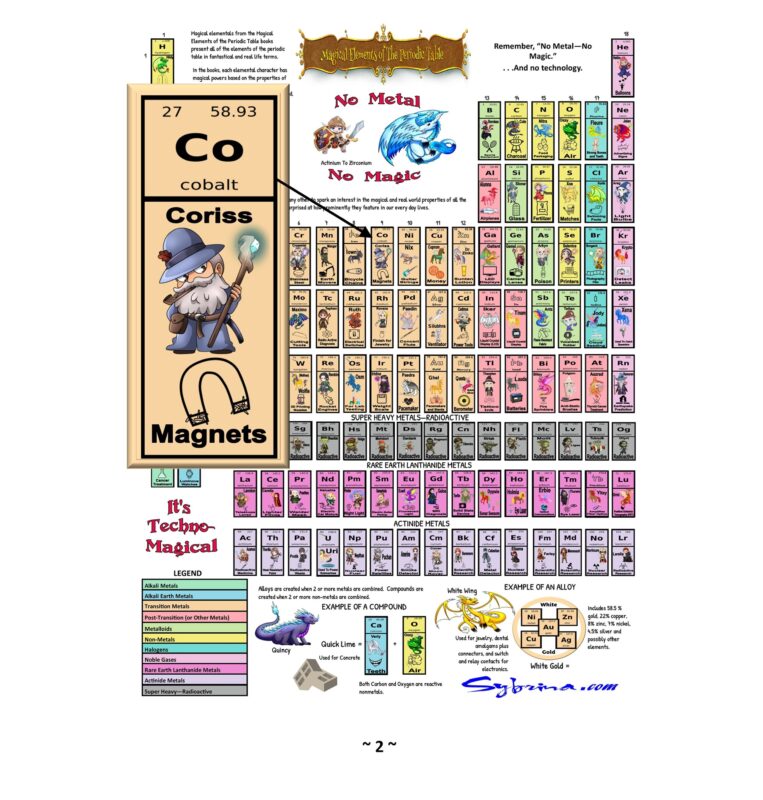
Garnet is not a single mineral but a group of silicate minerals with a general chemical formula of A3B2(SiO4)3, composed primarily of silicon and oxygen. It typically features divalent cations such as calcium, magnesium, iron, and manganese filling the A site, while the B site is occupied by trivalent cations like aluminum, iron, and chromium. In garnets, there are two important areas in the crystal structure known as the A site and the B site. These areas are where different metal ions, called cations, sit in the mineral’s pattern.
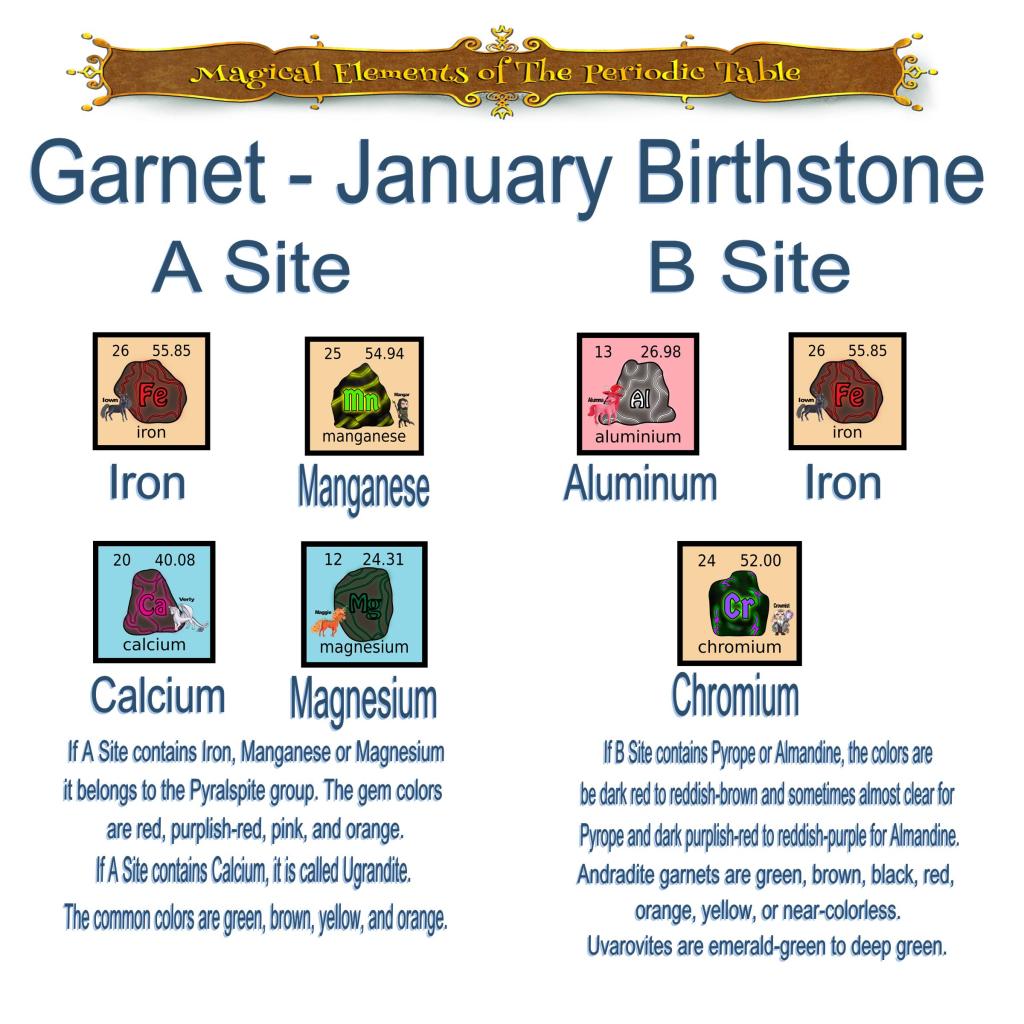
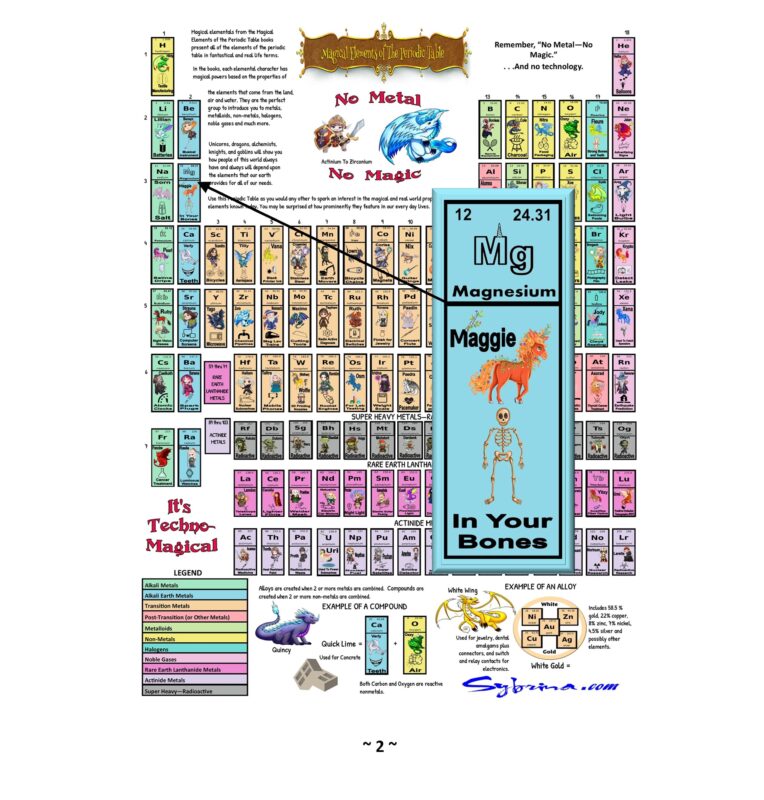
Each site has different sizes and charges of these metal ions. The A site has a specific shape that allows it to hold larger metal ions surrounded by eight oxygen atoms. This site usually contains larger divalent ions like calcium, magnesium, iron, and manganese. Which metal is in the A site helps determine the type of garnet. If the A site has magnesium, iron, or manganese, it belongs to the pyralspite group. Pyralspite garnets come in shades of red, purplish-red, pink, and orange. They can be deep blood-red, bright tangerine, or pinkish-red, and might have brownish or purplish hints because of iron. Some rare varieties of pyrope can even be clear.
The different types of Pyralspite garnets have specific colors. Pyrope can be dark red to reddish-brown and sometimes almost clear. Almandine is dark purplish-red to reddish-purple, which is the most common type. Spessartine is bright orange to reddish-orange. Rhodolite is a mix of pyrope and almandine, showing purplish-red or rose-pink colors. Malaia or Malaya is a blend of pyrope and spessartine, showing pink, orange, peach, and reddish-brown.
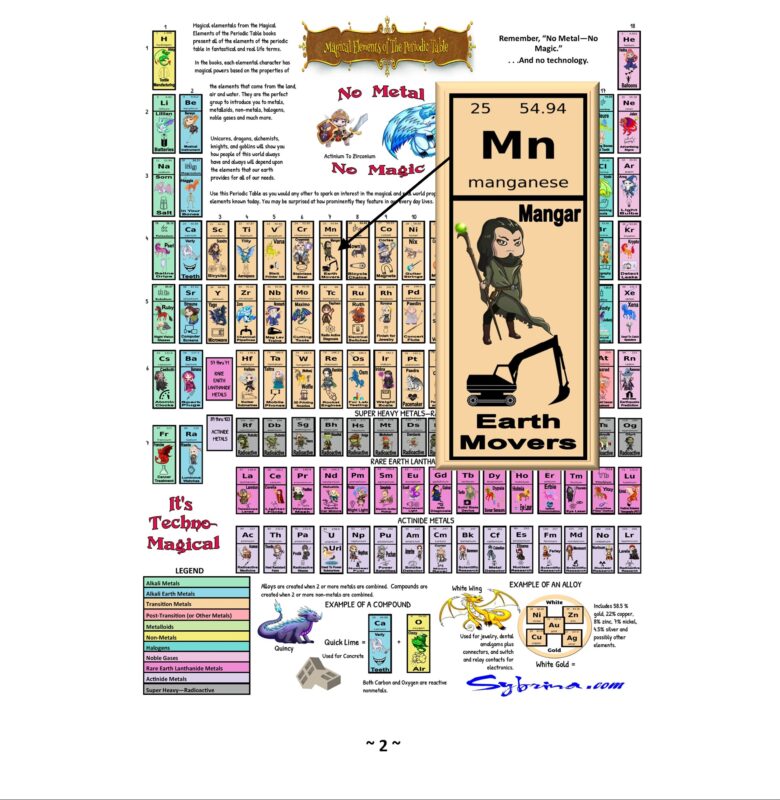
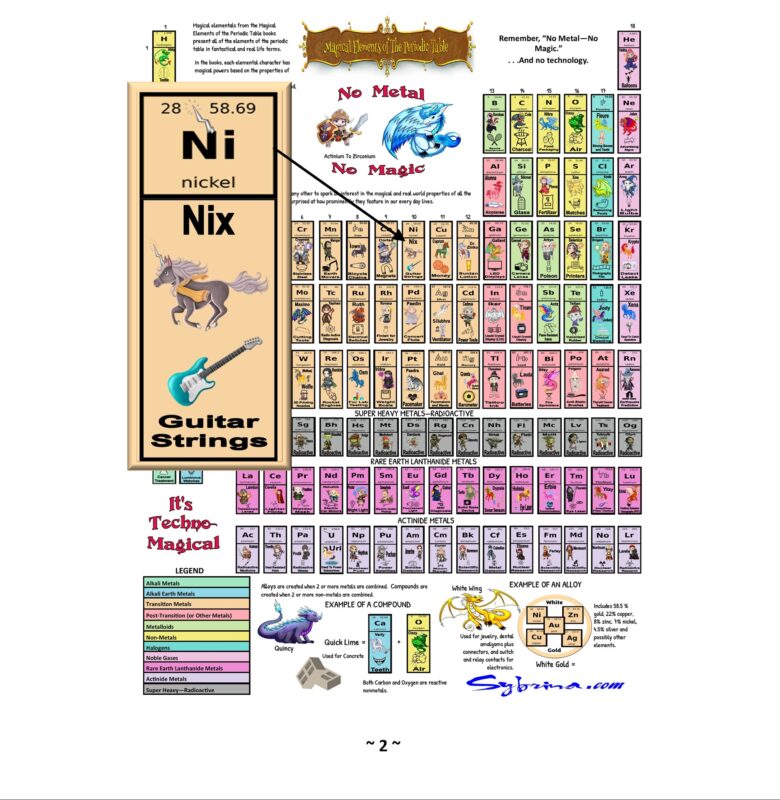
These colors come from small amounts of elements like iron and manganese. More iron usually means darker reds, while manganese leads to oranges.
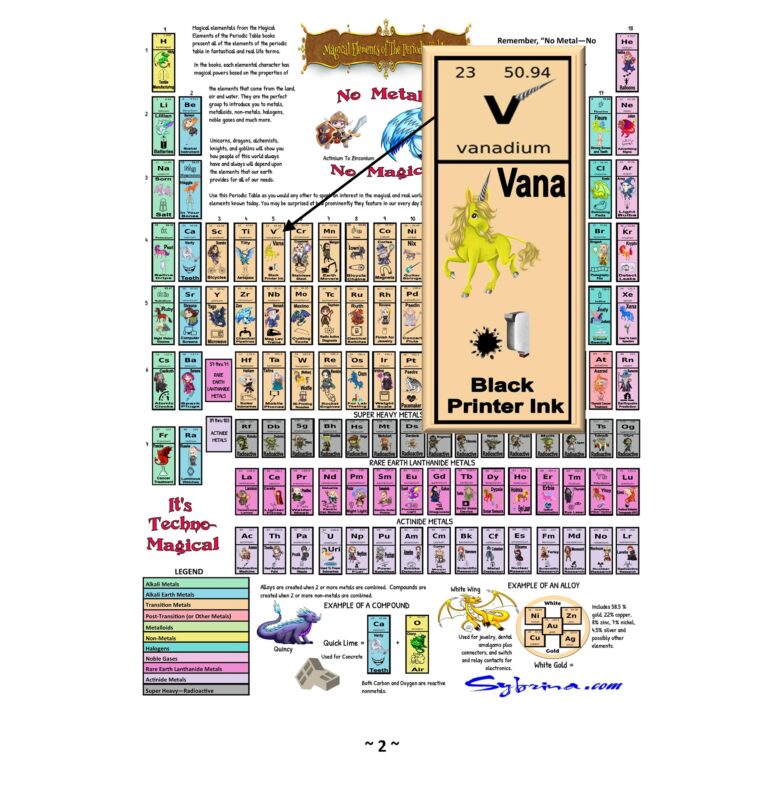
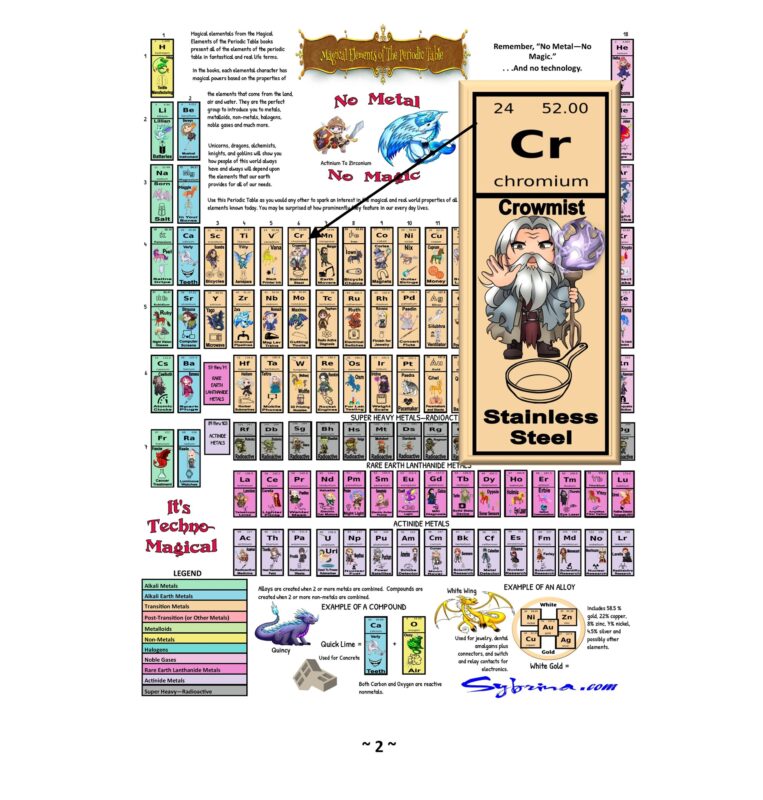
If it has calcium, it’s called Ugrandite. Ugrandite garnets, which include Grossular, Andradite, and Uvarovite, come in many colors. The common ones are green, brown, yellow, and orange, but they can also be colorless, black, red, or shiny with different colors due to certain metals. For example, Tsavorite and Demantoid are bright green because of chromium and vanadium, while Hessonite is a brownish-orange color. There are also yellow varieties like Topazolite and brown ones like common Andradite. Melanite is a type of black Andradite, and some Grossular can be colorless or white. Some Ugrandite garnets can even change color when seen in different lights. The colors come from tiny amounts of metals like chromium, vanadium, iron, and titanium that mix into the garnet’s structure, causing the stones to absorb light differently.
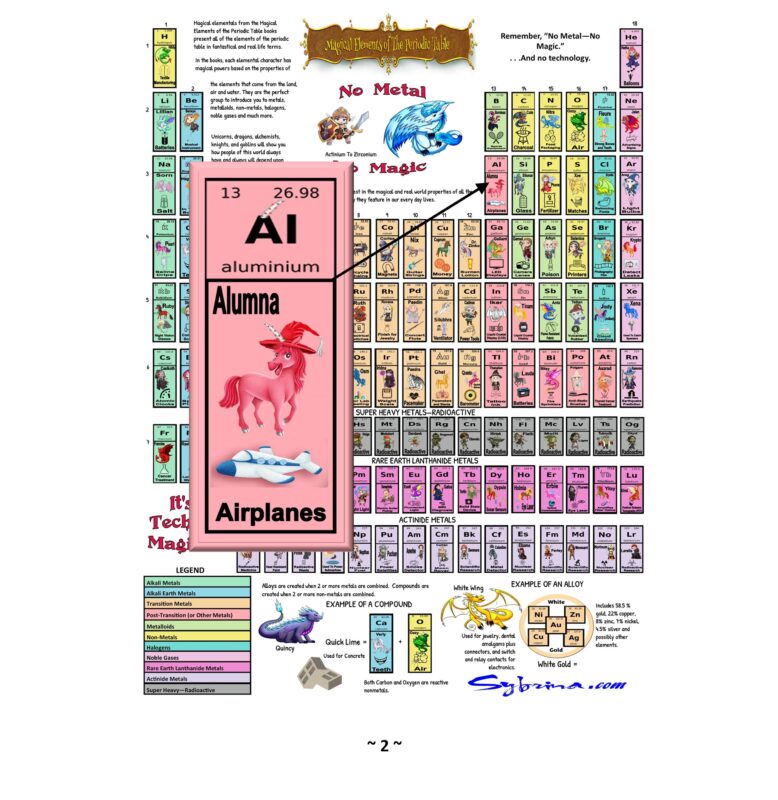
The B site is smaller and can hold smaller metal ions surrounded by six oxygen atoms. This site usually has trivalent ions like aluminum, and iron. Various garnet types showcase these elemental variations, such as Almandine, Pyrope, Grossular, Andradite, Spessartine, and Uvarovite, each exhibiting distinct colors ranging from deep red to vibrant green.
Garnet is found worldwide, particularly in metamorphic and igneous rocks, with notable gem-quality sources in Brazil, Sri Lanka, Tanzania, Kenya, Madagascar, and the Ural Mountains in Russia, known for producing vibrant tsavorites and rare blue garnets. Key producers include Australia, India, China, and the USA, where almandine garnets are harvested for industrial uses, especially abrasives.
Garnets make meaningful birthday gifts for January babies, representing love, passion, protection, and enduring commitment. Their rich history as travelers’ talismans adds to their significance. Symbolically, garnet is associated with positive energy, emotional stability, and courageous perseverance. With a hardness of 6.5-7.5 on the Mohs scale, garnets are durable enough for everyday wear and available in an array of colors, making them versatile and timeless. Valued since ancient times, garnets hold a wealth of cultural significance, ensuring their appeal lasts for years. Ultimately, a garnet gift is thoughtful, meaningful, and beautiful, connecting the wearer to positive energies and historical depth.
This article is brought to you by Sybrina Durant – author of the Magical Elements of the Periodic Table series of books. Get them all plus activities, games and elemental tees here.