
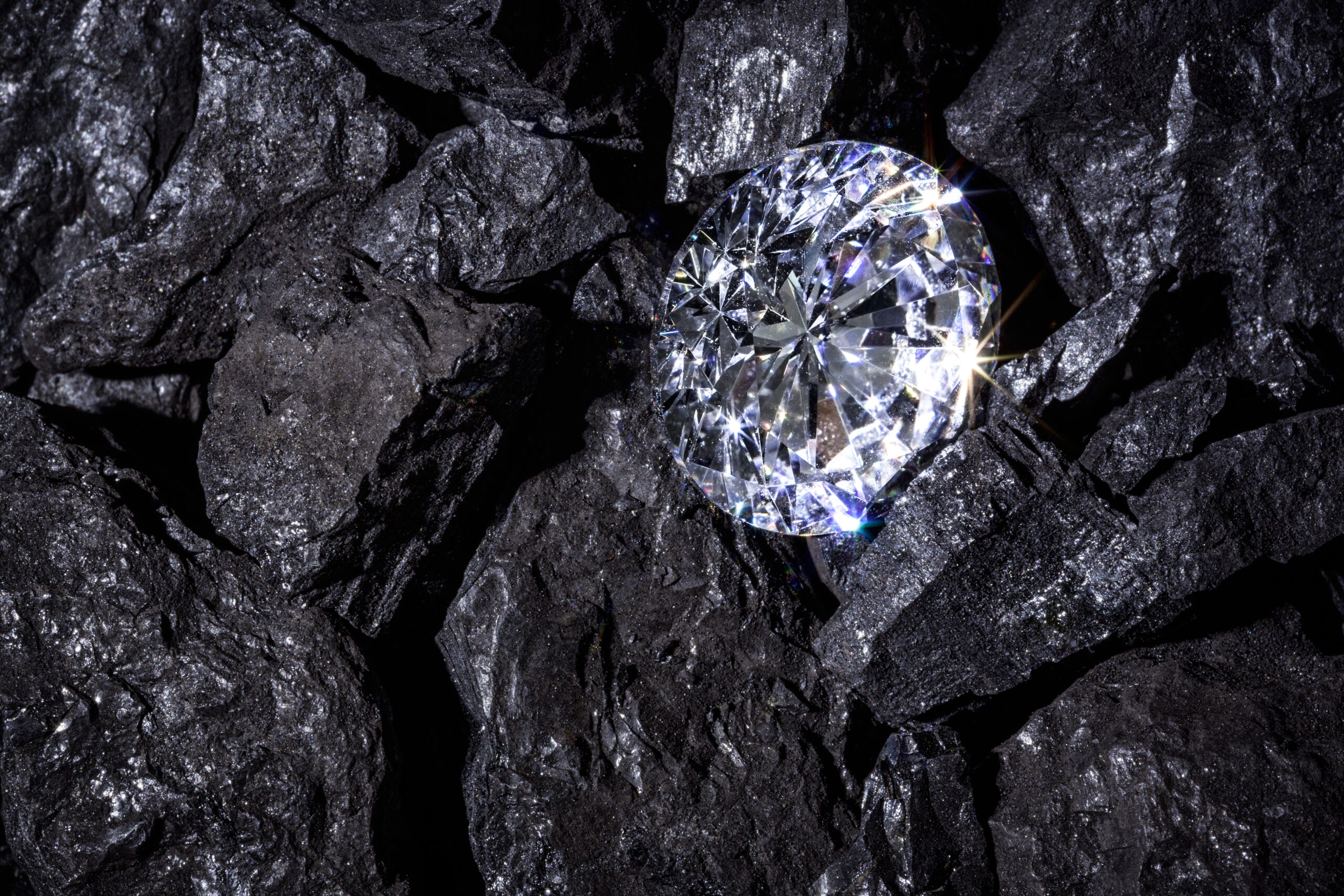

The diamond, known as the birthstone for April, is more than just a beautiful gemstone; it represents strength, eternal love, and clarity. The name “diamond” comes from the ancient Greek word “adámas,” which means “unconquerable” or “indestructible.” This reflects its position as the hardest natural material known to humans. For those born in April, diamonds are thought to bring qualities like inner strength, commitment, mental sharpness, and a sense of balance.
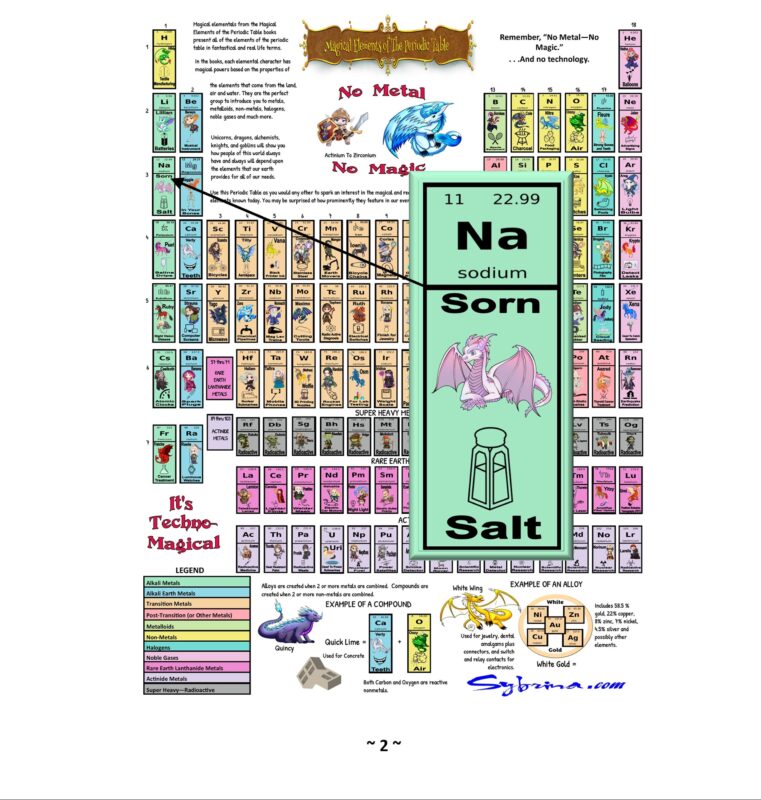
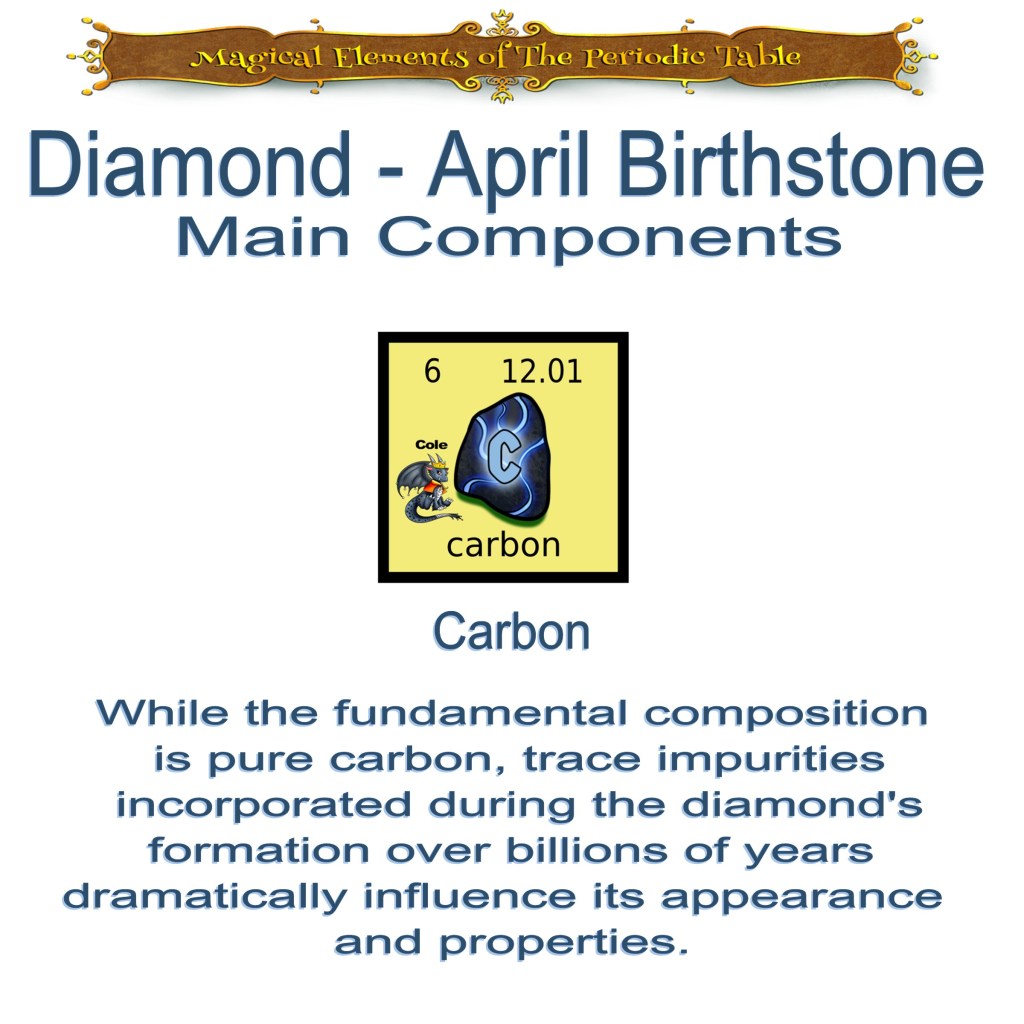
Diamonds are made almost entirely of carbon atoms arranged in a unique structure called the diamond cubic lattice. In this arrangement, each carbon atom is bonded to four others in a way that creates a very strong three-dimensional network. This structure is what gives diamonds their exceptional hardness, thermal conductivity, and brilliant appearance. Interestingly, both diamond and graphite are forms of carbon, but the way their atoms are arranged results in vastly different properties. While diamonds are hard and brilliant, graphite is soft and used in pencils.
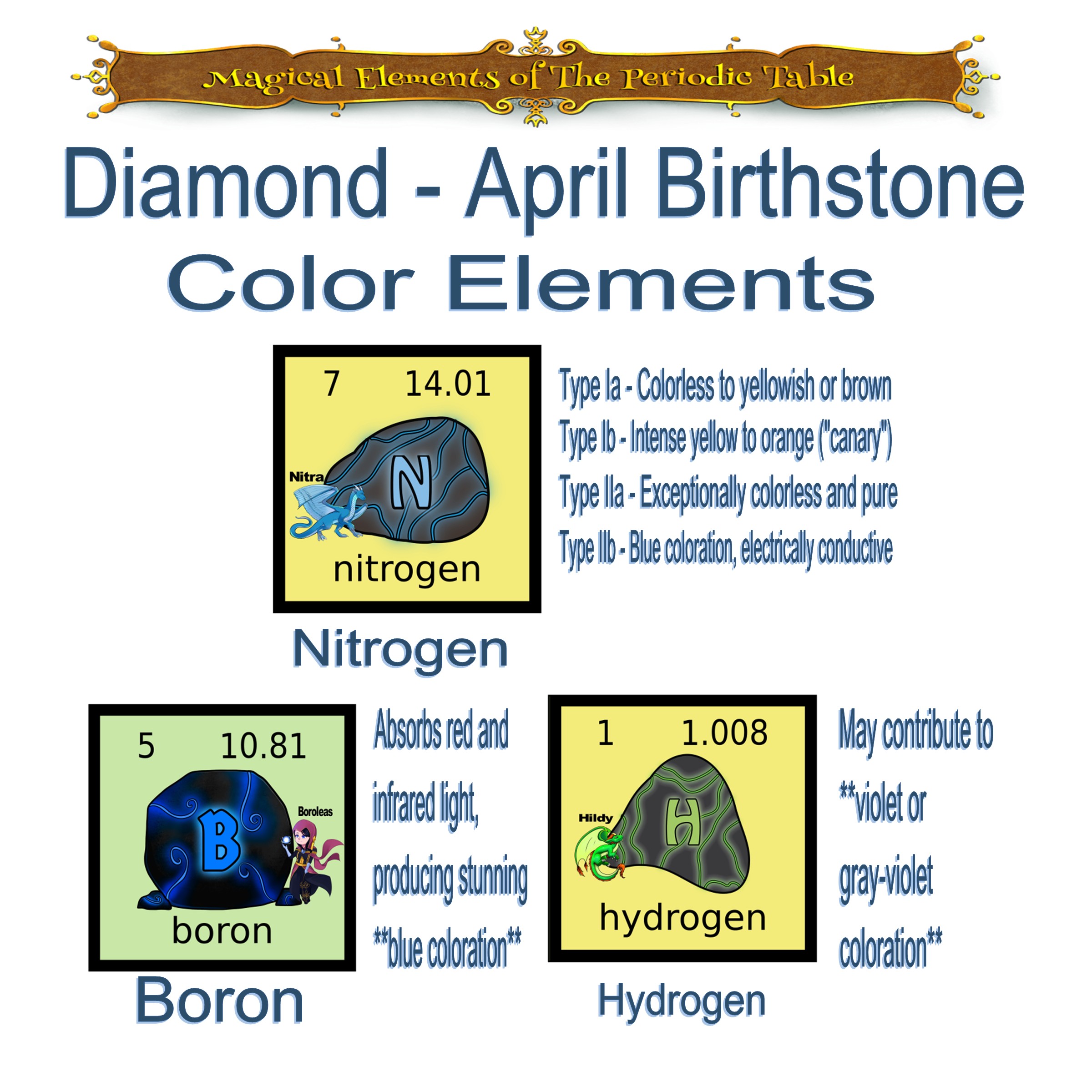
Diamonds, often regarded as symbols of love and luxury, come in a fascinating array of types that reveal their complex origins and the minerals that shape their colors. The majority of natural diamonds, approximately 98%, are classified as Type Ia. These diamonds contain grouped nitrogen atoms, giving them a color that ranges from colorless to yellowish or brown. A smaller portion of diamonds, about 0.1%, are categorized as Type Ib. These diamonds have isolated nitrogen atoms and are renowned for their intense yellow to orange hues, often referred to as “canary” diamonds.
Among the most sought-after diamonds are Type IIa diamonds, which contain little to no nitrogen. They are exceptional in their colorlessness and purity, making up around 1 to 2% of all natural diamonds. Conversely, Type IIb diamonds are incredibly rare and characteristically contain boron, which grants them a stunning blue coloration. This blue color emerges because boron atoms can substitute for carbon within the crystal lattice, absorbing red and infrared light. Interestingly, boron also gives these diamonds a unique trait: they are electrically conductive, unlike most diamonds, which are typically excellent electrical insulators. A famous example of a boron-rich diamond is the legendary Hope Diamond, known for its deep blue hue.
Nitrogen also plays a crucial role in how diamonds are perceived; nitrogen-rich diamonds often appear yellow due to their light absorption properties. For instance, the famous Tiffany Yellow Diamond, weighing 128.54 carats, owes its vivid color to nitrogen impurities. In addition to nitrogen and boron, hydrogen can be found in some diamonds, often paired with fluid inclusions or bonded to structural defects, potentially giving certain diamonds a gray-violet or violet color. The involvement of hydrogen in diamond color is still an area under study for researchers.
Beyond these chemical impurities, diamonds can take on unique colors due to structural defects and physical processes. Natural radiation exposure, for instance, from nearby radioactive elements like uranium and thorium can bomb diamonds over millions of years with alpha particles, leading to vacancies in the carbon lattice. These vacancy defects can absorb red light, resulting in rare green diamonds. Similarly, when a nitrogen atom is positioned next to a vacant spot in the lattice—creating what are known as nitrogen-vacancy centers—the result can be pink or red diamonds.
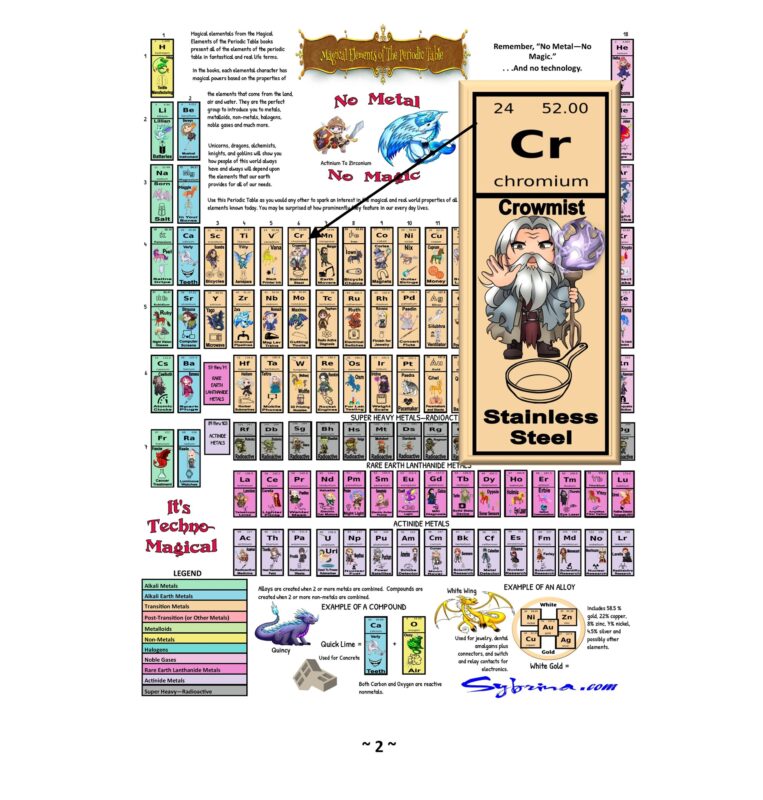
Diamonds may also be influenced by plastic deformation caused by immense geological pressure, resulting in shades of brown, pink, or red. Moreover, most natural diamonds come packed with mineral inclusions—tiny trapped crystals formed during their growth deep within the Earth. Common inclusions include garnet varieties, olivine, pyroxene, chromite, and sulfide minerals, as well as other diamond crystals. These inclusions serve as a glimpse into the Earth’s deep mantle, preserving mineral samples from depths that we otherwise wouldn’t be able to access. However, these inclusions do not change the diamond’s fundamental structure; they are merely trapped companions within the carbon crystal.
Diamonds form under extreme conditions, typically between 150 to 700 kilometers below the Earth’s surface. Here, they are subjected to high temperatures and pressures over millions of years. Most diamonds we find today formed around one to three billion years ago, originating in the stable regions of the Earth’s crust known as cratons. They make their way to the surface through violent volcanic eruptions, primarily found in kimberlite pipes. Once surfaced, they may be discovered in riverbeds all around the world as erosion wears down the rocks that originally hosted them.
Historically, India was the primary source of diamonds for thousands of years, and ancient texts suggest that people valued them for their properties and perceived abilities to ward off evil. The Greeks and Romans had their own beliefs about diamonds, seeing them as divine tears or bits of stars, attributing magical properties to them. Over time, the diamond grew in popularity and became associated with engagement rings, largely due to successful marketing strategies in the 20th century.
Culturally, diamonds hold significant meaning. In many religions, they symbolize purity or protection, and they have been linked to planetary influences in astrology. For example, the diamond is associated with the planet Venus, which symbolizes love and beauty. The gemstone’s bright, clear properties reflect the blossoming of spring, making it a fitting birthstone for April.
The modern approach to evaluating diamonds uses the “Four Cs”: cut, color, clarity, and carat weight. These factors determine a diamond’s beauty and value. The cut can heavily influence how light interacts with the stone, while the color and clarity are important in grading its overall quality. Additionally, larger diamonds are generally much rarer, which makes their price increase significantly as size grows.
Throughout history, many famous diamonds have captured public fascination, each with its distinct story. The Cullinan diamond, for instance, is the largest gem-quality diamond ever found, and the Hope Diamond is renowned for its deep blue color and storied past.
Besides their aesthetic uses, diamonds have practical applications too. Approximately 70% of diamonds are utilized in industries for cutting, grinding, and drilling, thanks to their impressive hardness. Scientists also use diamonds in advanced technologies and research, like quantum computing and high-pressure experiments.
Today, growing awareness about ethical sourcing has disrupted the diamond market. The Kimberley Process aims to eliminate conflict diamonds from the trade, but critics argue that it doesn’t fully address human rights and environmental concerns. This has led to a rise in the popularity of lab-grown diamonds, which are chemically identical to natural diamonds but often available at lower prices, as they have a smaller environmental footprint.
Ultimately, diamonds are a stunning testament to the versatility of carbon. The subtle interplay of trace elements and structural variations contributes to the beauty and rarity that make diamonds prized in jewelry, science, and industry alike. The modern diamond industry, the diamond remains a symbol of resilience and beauty, holding deep cultural significance and a remarkable scientific essence.
This article is brought to you by Sybrina Durant – author of the Magical Elements of the Periodic Table series of books. Get them all plus activities, games and elemental tees here.