

The Origin and Commercial Production of Osmium
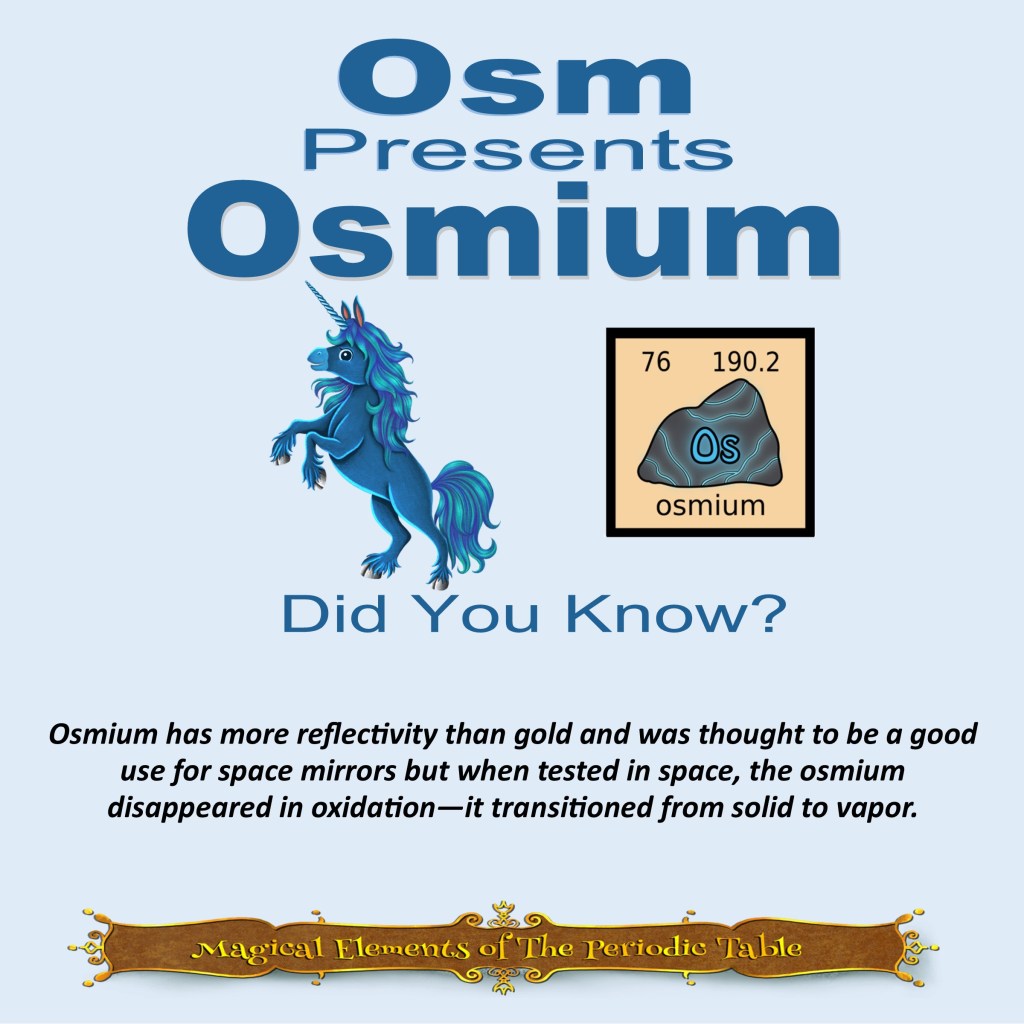
Osmium, with its symbol Os and atomic number 76, is a chemical element belonging to the platinum group metals (PGMs). It is a hard, brittle, and bluish-gray metal that is known for its incredible density, making it one of the heaviest elements found in nature. In this article, we will explore the origins of osmium, its occurrence in nature as a pure element, the mining process, commercial processing, and the countries that mine and commercially produce the most osmium.
Unlike some other elements, osmium does not occur in nature as a pure element. Instead, it is typically found in association with other metals, primarily platinum and nickel. Osmium can be found as a natural alloy, known as osmiridium or iridosmine, which is a combination of osmium, iridium, and other metals. This alloy is found in certain geological formations, often in alluvial deposits or placer deposits.
The mining of osmium involves a complex process due to its scarcity and the need to extract it from its natural alloy form. Initially, mining operations target areas that are predicted or known to contain osmiridium. The removal of overburden, the soil and rock covering the valuable mineral deposits, is carried out through either open-pit mining or underground mining, depending on the deposit’s characteristics and location.
Once the ore containing osmiridium is extracted, it is transported to processing facilities where the metals are separated. Various techniques, such as gravity separation and flotation, are employed to concentrate the valuable metals. Crushing, grinding, and screening the ore enable further separation, with gravity separation being particularly effective due to the different densities of the metals.
After the initial concentration of osmiridium, further steps are necessary to extract osmium in its pure form. The process involves dissolving the concentrated ore in acid, followed by several purification steps involving chemical reactions and the creation of complexes. These steps often include the use of chlorine gas to remove impurities and precipitation reactions to obtain osmium as a solid.
Once osmium is obtained, it undergoes commercial processing to be used in various industries. Due to its extreme hardness and resistance to corrosion, osmium is primarily used to make electrical contacts, medical instruments, and other specialized products that require durability. It is also used as a catalyst in chemical reactions and in some specialized alloys.
The majority of osmium mining and production occurs in Russia, specifically in the Ural Mountains region. Russia, with its vast mineral resources, accounts for the largest share of global osmium production. This concentration of mining activity can have environmental implications, as the extraction and processing of osmium can have a significant impact on local ecosystems and communities. Mining activities can cause habitat disruption, soil erosion, and water pollution, which can negatively impact wildlife and human populations surrounding the mining sites.
However, it’s important to note that osmium mining is not as extensive or environmentally damaging as other forms of mining, such as coal or certain metal ores. The scarcity of osmiridium deposits, coupled with the relatively low demand for osmium compared to more common metals, keeps the scale of mining operations relatively small.
In terms of commercial production, the largest producer of osmium is China. While Russia leads in osmium mining, China has established a strong industry for processing osmium and manufacturing products that utilize this metal. This commercial processing includes refining osmium, manufacturing specialized alloys, and producing osmium-based products for domestic and international markets. It’s worth noting that osmium is generally not traded on commodity exchanges like more commonly used metals, such as gold or silver.
In conclusion, osmium does not occur in nature as a pure element but is instead found in association with other metals. The mining process for osmium involves the extraction of osmiridium, followed by various concentration and purification steps. Russia is the largest producer of osmium, while China dominates in terms of commercial processing and manufacturing. As with any mining activity, osmium mining can have environmental consequences, but due to its scarcity, the scale of mining operations remains relatively small compared to more widespread mining activities.
This article is brought to you by Sybrina Durant, the author of the middle grade picture book, Magical Elements of the Periodic Table Presented Alphabetically By The Metal Horn Unicorns. Learn More. In that book Osmium is presented by the unicorn, Osm.


Inter-Active Elemental Fantasy-Themed Periodic Table from Magical Elements of the Periodic Table Presented Magical Elementals
Click here to use This Inter-Active Viewer To Learn More About The Elements Each Elemental Represents On This Periodic Table. Want this in a 24″ x 36″ Poster? Click here.

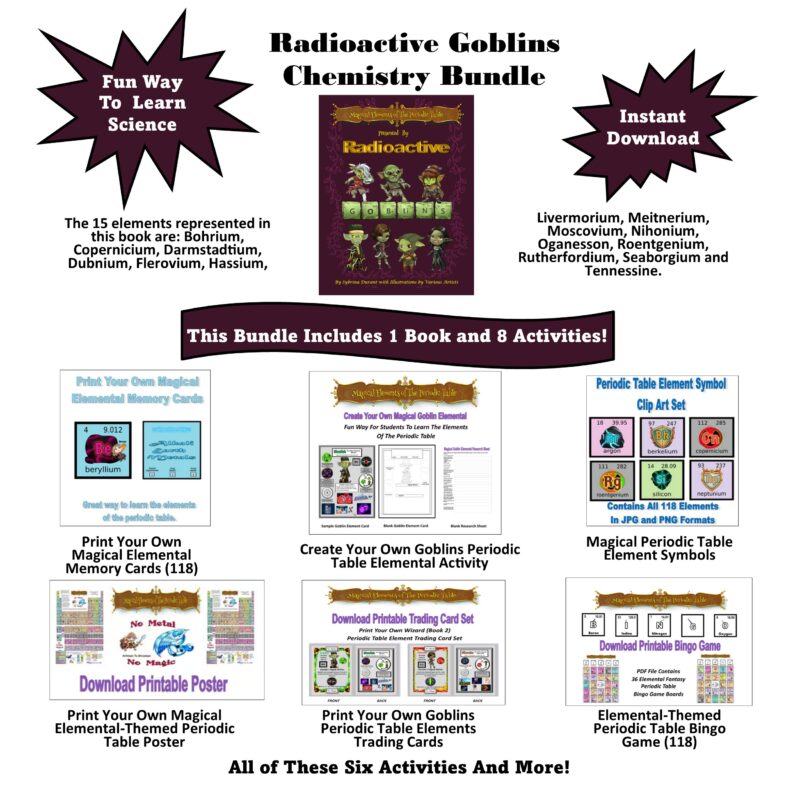
Sybrina Publishing Offers Fun Activities Based On The Book
Magical Elements of the Periodic Table Magical Elementals
Browse Magical Elemental Activities at MagicalPTElements or Sybrina-Publishing on TPT or Classful