
Rubidium: The Versatile Element with an Elusive Origin
Rubidium, a silvery-white alkali metal, holds a unique place in the periodic table. With an atomic number of 37, it is not as well-known as its popular siblings, sodium and potassium. Discovered in 1861 by Robert Bunsen and Gustav Kirchhoff, this element’s origin and properties have fascinated scientists for decades.
The origins of rubidium can be traced back to the vast reaches of our universe. It is formed during the explosive collapse of massive stars, known as supernovae. These cataclysmic events generate enormous heat and pressure, leading to the fusion of lighter elements into heavier ones, including rubidium. However, unlike other elements, rubidium does not occur naturally as a pure element in significant quantities on Earth.
In nature, rubidium is primarily found in various minerals, most notably lepidolite and pollucite. These minerals contain small amounts of the element, usually mixed with other alkali metals or alkaline earth metals. Extracting rubidium from these minerals requires complex and specialized processes.
The mining process for rubidium can be challenging due to its relatively low abundance in nature. However, its occurrence alongside lithium and caesium-rich minerals has led to the development of extraction methods. One such method involves crushing the mineral-bearing rock and then subjecting it to high-intensity magnetic separation. This process helps isolate the valuable minerals, including rubidium, from the surrounding waste material.
After extraction, the initial ore concentrate is further processed to increase the concentration of rubidium. One method is through a series of chemical reactions that involve dissolving the ore concentrate in acid and then precipitating the rubidium with various reagents. Once the concentration is suitably high, the resultant rubidium compound is converted into a more stable form, typically rubidium chloride.
Commercial processing of rubidium involves converting the rubidium chloride into various forms suitable for different applications. One common process includes electrolysis, where an electric current is passed through a molten rubidium chloride. This helps obtain pure rubidium metal, which is further refined to meet specific industry requirements.

Mining and production of rubidium are predominantly clustered in a few countries worldwide. Canada and Australia are the leading producers of rubidium, primarily due to their abundance of rich mineral resources. However, the mining processes associated with extracting rubidium, like any mining operation, can have an environmental impact.
Mining operations, if not conducted responsibly, can lead to deforestation, habitat destruction, and water pollution. Countries with significant rubidium mining activities must pay close attention to environmental regulations and sustainable practices to mitigate these impacts. Additionally, the disposal of waste materials generated during the extraction process should be carefully managed to mitigate potential contamination.
The commercial production of rubidium is not as widespread as its mining. The most significant global producer of rubidium is believed to be Canada. However, it is important to note that commercial production may not align entirely with mining activities, as combinations of factors such as refining capacity, export regulations, and market demand influence production levels.
Rubidium, with its remarkable properties, finds applications in various industries. It is used in the production of specialty glasses, as a catalyst in certain chemical reactions, in atomic clocks to control time in GPS systems, and even in biomedical research. Its unique qualities make it a critical element in fields ranging from telecommunications to scientific research.
The origin and properties of rubidium continue to captivate scientific minds. From its elusive occurrence in nature to the various mining and processing techniques, the journey of extracting and producing this versatile element is fascinating. Mining countries must prioritize responsible and sustainable practices to minimize the environmental impact associated with rubidium production while meeting the growing global demands for this valuable element.
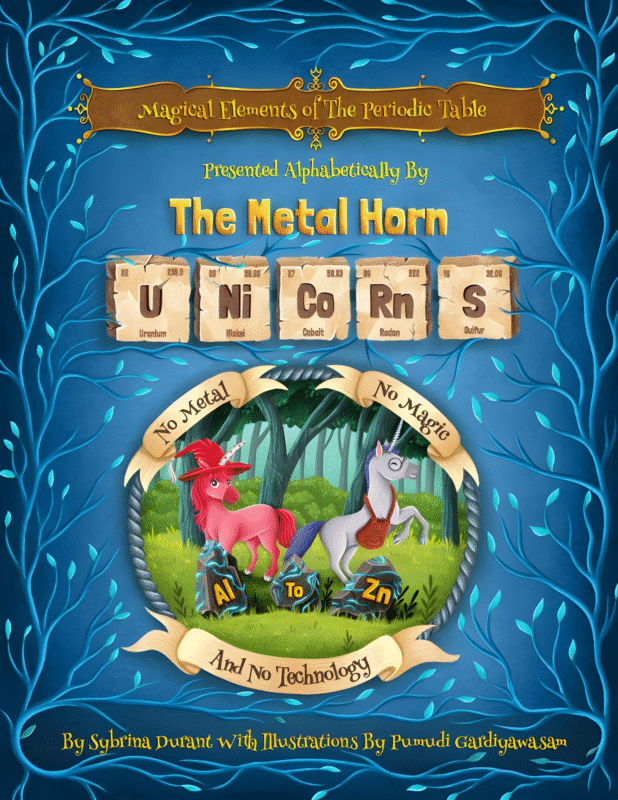
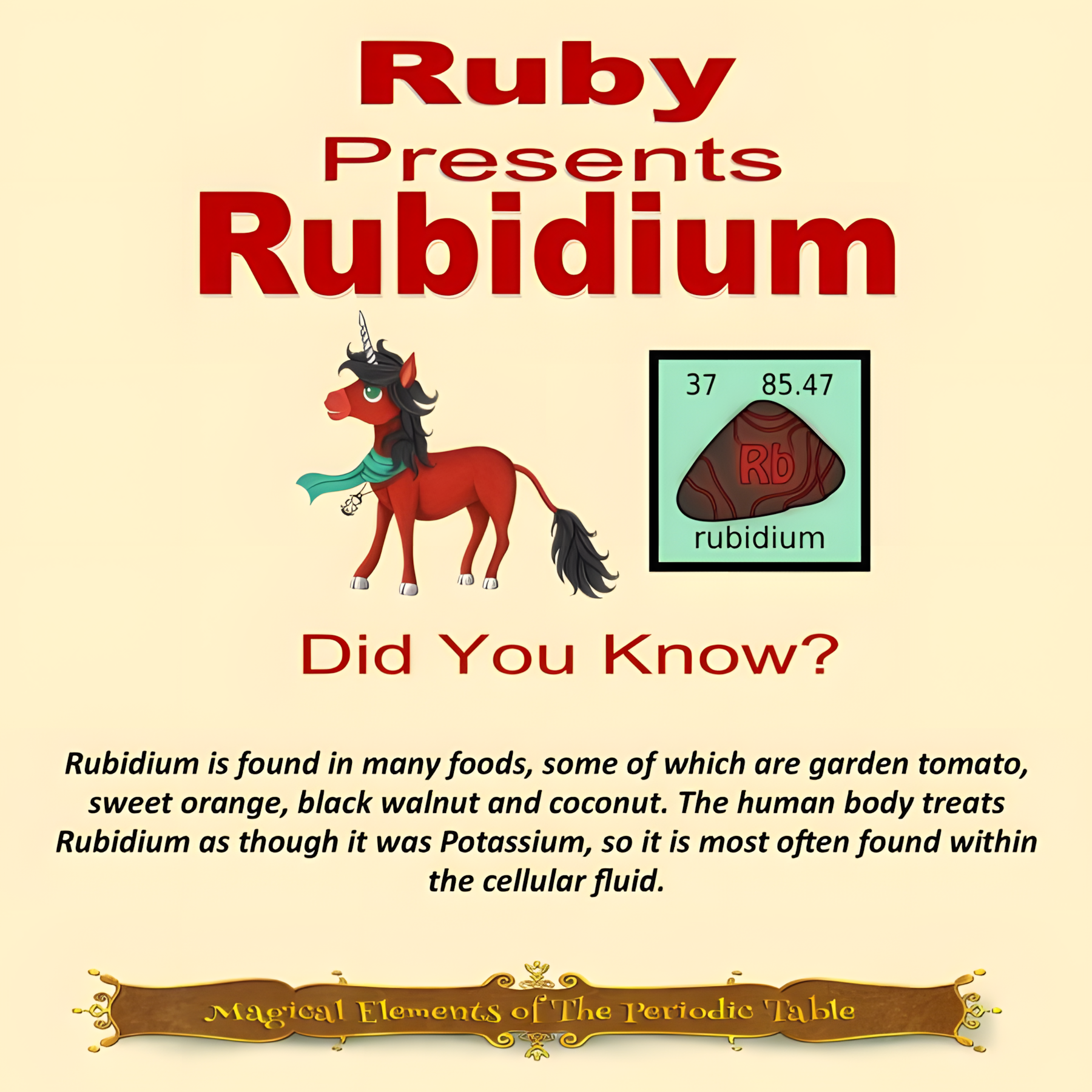
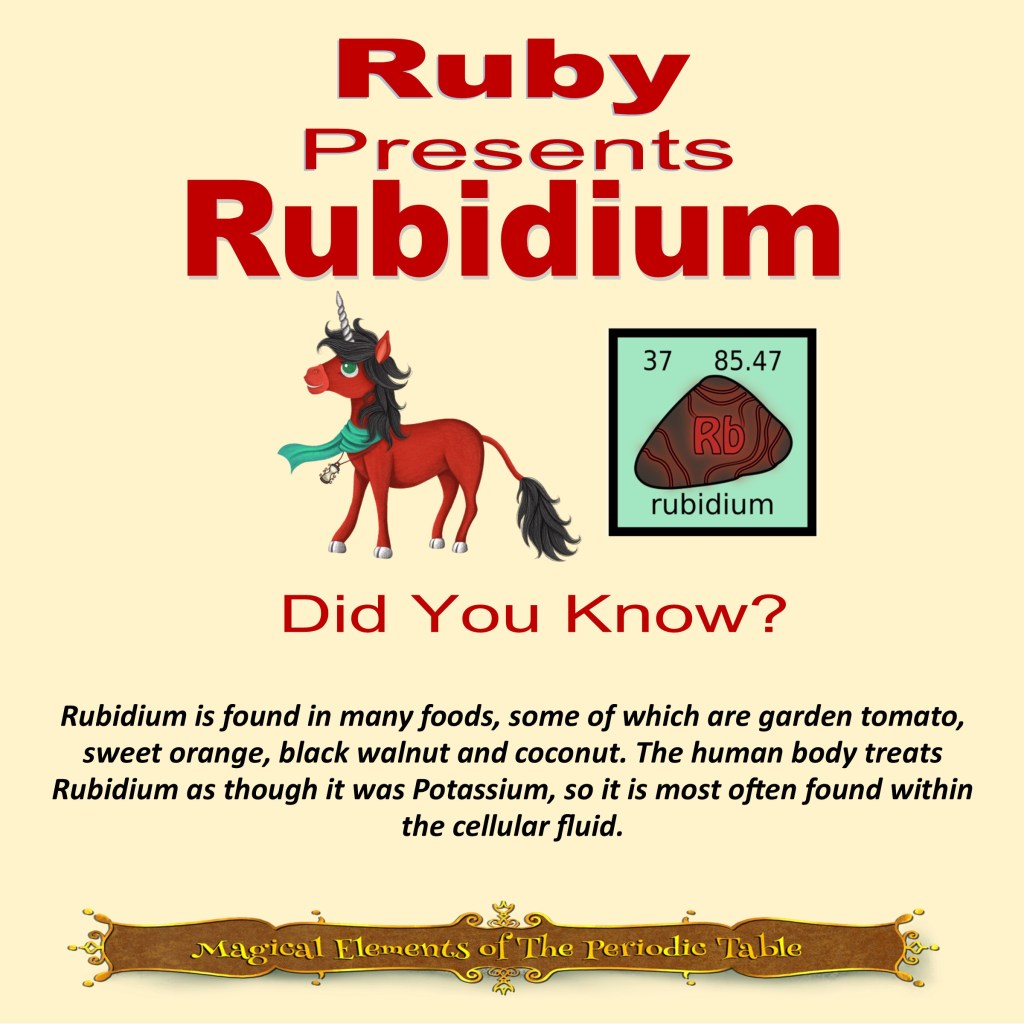
This article is brought to you by Sybrina Durant, the author of the middle grade picture book, Magical Elements of the Periodic Table Presented Alphabetically By The Metal Horn Unicorns. Learn More. In that book Rubidium is presented by the unicorn, Ruby.


Inter-Active Elemental Fantasy-Themed Periodic Table from Magical Elements of the Periodic Table Presented Magical Elementals
Click here to use This Inter-Active Viewer To Learn More About The Elements Each Elemental Represents On This Periodic Table. Want this in a 24″ x 36″ Poster? Click here.

Sybrina Publishing Offers Fun Activities Based On The Book
Magical Elements of the Periodic Table Magical Elementals
Browse Magical Elemental Activities at MagicalPTElements or Sybrina-Publishing on TPT or Classful