

Vanadium is a chemical element with the symbol V and atomic number 23. It is a hard, gray, silvery metal that is often found in nature as a compound. Despite its abundant presence in the Earth’s crust, vanadium does not occur as a pure element and is extracted from various sources through mining processes.
In nature, vanadium is mainly found in minerals such as vanadinite, carnotite, and patronite. These minerals contain small amounts of vanadium, usually combined with other elements like oxygen, sulfur, or chlorine. Vanadium can also be found in fossil fuel deposits, especially crude oil, tar sands, and bitumen. However, the concentration of vanadium in these sources is usually too low for economic extraction.
The extraction of vanadium begins with mining operations. The primary sources of vanadium are vanadium-bearing magnetite deposits found in regions rich in iron ore. The mining process consists of several steps including exploration, drilling, blasting, excavating, crushing, and grinding the ore. Once the ore is crushed and ground, it undergoes a beneficiation process to separate the valuable minerals from the gangue material. This process usually involves flotation, where air bubbles are used to selectively adhere to the vanadium-bearing minerals, allowing them to be separated from the rest of the ore.
After the beneficiation process, the vanadium concentrate is further processed to remove impurities and increase its vanadium content. The concentrate may go through additional processes such as roasting, leaching, and solvent extraction to obtain a purer form of vanadium. The final step in the process is the reduction of vanadium pentoxide (V2O5) to produce metallic vanadium.
Once commercially processed, vanadium finds application in various industries. It is commonly used as an alloying element in steel production, where it imparts desirable properties such as increased strength, corrosion resistance, and heat resistance. Vanadium compounds are also utilized in the production of chemicals, ceramics, batteries, and as catalysts in the chemical industry.

The largest producer of vanadium in the world is currently China, followed by Russia and South Africa. As the leading producer, China heavily relies on vanadium mining, which can have significant environmental impacts. The extraction process often involves open-pit mining, which can result in the destruction of natural habitats, soil erosion, and the contamination of groundwater.
China’s high dependence on vanadium mining has also led to concerns regarding the potential overexploitation of vanadium resources and associated negative environmental consequences. The extraction of vanadium-rich minerals can require significant energy inputs, resulting in greenhouse gas emissions and contributing to climate change.
Apart from mining, the commercial production of vanadium can also have environmental implications. The processing methods used to extract pure vanadium from its compounds often involve the use of harmful chemicals and generate large quantities of waste materials. Careful management of the disposal of these waste products is crucial to prevent pollution and minimize the impact on the environment.
Considering the environmental challenges posed by vanadium mining and processing, efforts are being made to develop more sustainable practices. These include the exploration of alternative sources of vanadium, such as recycling vanadium from industrial waste and developing efficient extraction and processing technologies.
In conclusion, vanadium does not occur as a pure element in nature and is extracted from vanadium-bearing minerals through mining operations. China is currently the largest producer of vanadium, and its reliance on vanadium mining poses environmental challenges. The commercial processing of vanadium also generates waste and uses chemicals that can have environmental impacts. However, ongoing efforts to develop sustainable practices aim to minimize these effects and ensure the responsible use and extraction of vanadium resources.
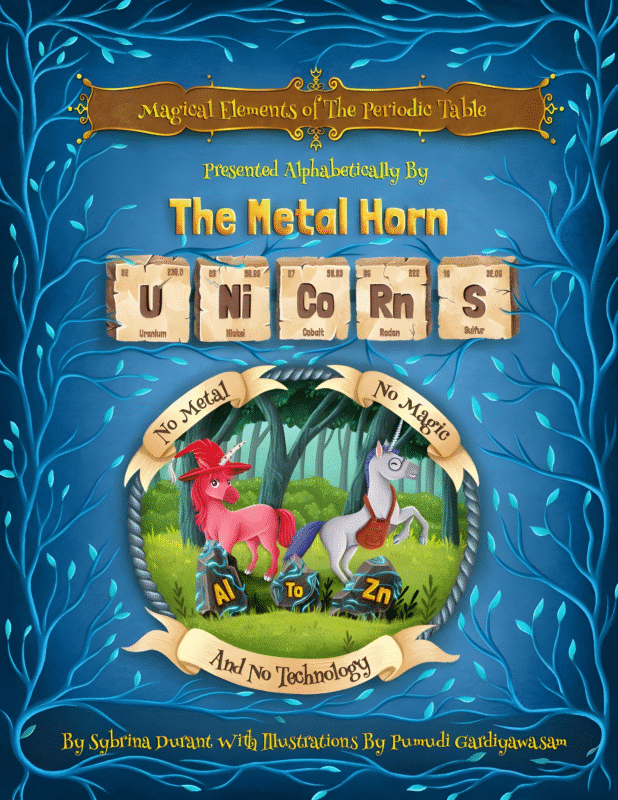
This article is brought to you by Sybrina Durant, the author of the middle grade picture book, Magical Elements of the Periodic Table Presented Alphabetically By The Metal Horn Unicorns. Learn More. In that book Vanadium is presented by the unicorn, Vana.


Inter-Active Elemental Fantasy-Themed Periodic Table from Magical Elements of the Periodic Table Presented Magical Elementals
Click here to use This Inter-Active Viewer To Learn More About The Elements Each Elemental Represents On This Periodic Table. Want this in a 24″ x 36″ Poster? Click here.

Sybrina Publishing Offers Fun Activities Based On The Book
Magical Elements of the Periodic Table Magical Elementals
Browse Magical Elemental Activities at MagicalPTElements or Sybrina-Publishing on TPT or Classful