First Uses of the Periodic Table Element – Zirconium

First Uses of the Periodic Table Element – Zirconium LIghts The Way. Zirconium. Zirconium, symbol Zr and atomic number 40, is a lustrous, gray-white metal that has gained significant importance in various industries over the years. Known primarily for its corrosion resistance and high melting point, zirconium has a fascinating history that dates back centuries. Let’s delve into the past and explore what zirconium was first used for.

Continue reading

First Uses of the Periodic Table Element – Yttrium

First Uses of the Periodic Table Element – Yttrium.The Evolution of Yttrium: From Luminescence to Advanced Technologies.Yttrium, a silvery metallic element, was first discovered in 1794 by the Finnish chemist Johan Gadolin. Since its initial identification, yttrium has found diverse applications in various fields, ranging from luminescence in television screens to catalysts in chemical reactions. Nevertheless, as technology advanced and new materials were discovered, yttrium gradually lost its prominence in some of its traditional applications. This article explores the first uses of yttrium and delves into the reasons behind its declining usage.

Continue reading

First Uses of the Periodic Table Element – Sodium

First Uses of the Periodic Table Element – Sodium. From Revolutionary to Rusted: The Curious Case of Sodium’s First Uses.Sodium has long held a significant place in human history, from its first discovery in ancient times to its widespread usage in various industries today. However, the early applications of sodium were quite different from what we see today. Despite its initial promise, the potentially volatile nature of sodium limited its usefulness, leading to its subsequent abandonment for many of its first intended applications. This article delves into the fascinating story of the first uses of sodium and explores the reasons behind its decline in those particular areas.

Continue reading

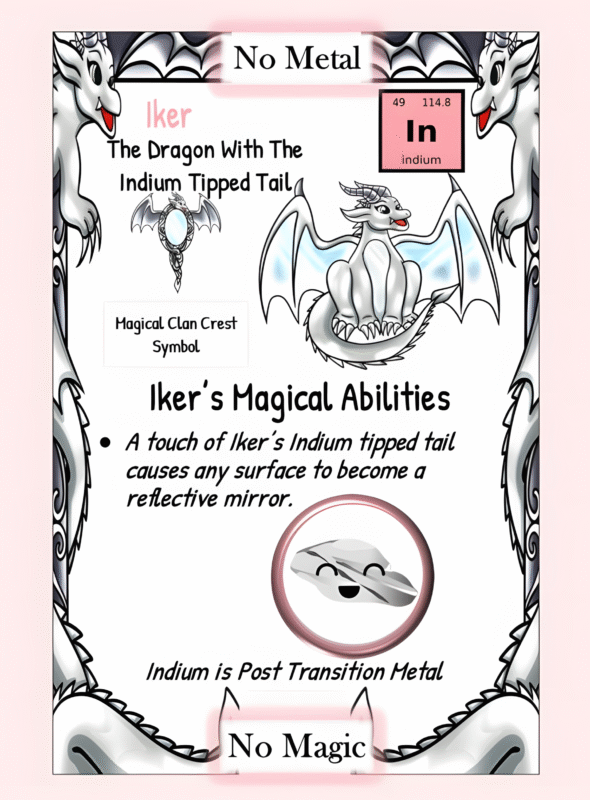
First Uses of the Periodic Table Element – Indium

First Uses of the Periodic Table Element – Indium. Indium: The First Uses and its Evolution Beyond Its Initial Purposes.Indium, a silvery-white metal has been known to mankind for over a century. Discovered by Ferdinand Reich and Hieronymous Theodor Richter in 1863, indium quickly found its place in various industrial applications due to its unique physical and chemical properties. In this article, we will explore the fascinating history of indium’s early uses and delve into the reasons behind its gradual replacement in those applications.

Continue reading

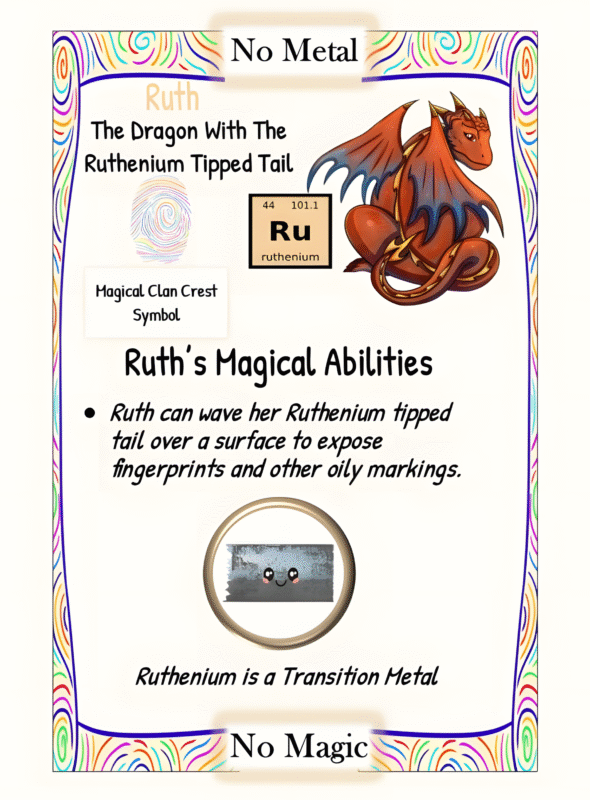
First Uses of the Periodic Table Element – Ruthenium

First Uses of the Periodic Table Element – Ruthenium.The Early Applications of Ruthenium: A Journey Back in Time.Ruthenium, a rare transition metal in the platinum group, has a fascinating history rooted in its unique properties and exceptional reactivity. In this article, we delve into the first uses of ruthenium and explore why it is no longer employed for those early purposes.

Continue reading

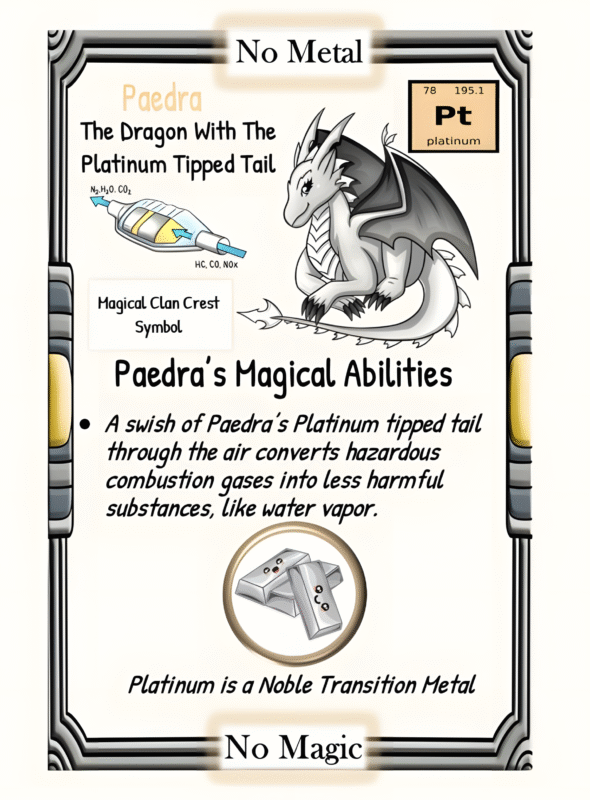
First Uses of the Periodic Table Element – Platinum

First Uses of the Periodic Table Element – Platinum. The Pioneering Uses of Platinum: Exploring Its Fall from Prominence.Platinum, a lustrous and durable metal, has a rich history dating back thousands of years. Known for its rarity and versatility, platinum was initially revered for its captivating beauty and resistance to corrosion. Gradually, it found various applications across industries, from jewelry and currency to scientific endeavors and even automotive manufacturing. However, over time, its popularity waned in some areas due to a combination of factors. This article explores the first uses of platinum and highlights why it is no longer employed for certain purposes.

Continue reading

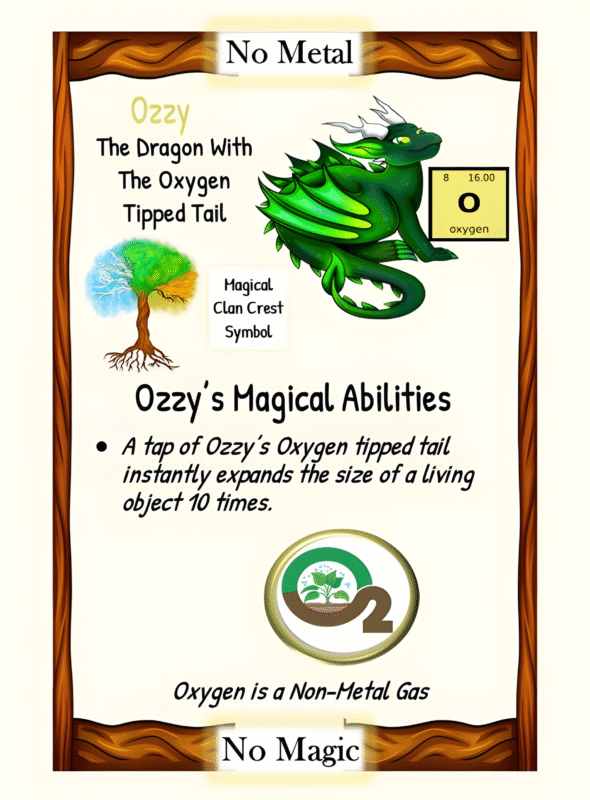
First Uses of the Periodic Table Element – Oxygen

First Uses of the Periodic Table Element – Oxygen. From Lifesaving to Obsolescence: The Evolution of Oxygen’s Uses.Oxygen, a vital component of the Earth’s atmosphere, has a fascinating history in terms of its usage. Initially, its discovery and subsequent application marked a groundbreaking era in medicine and industry. However, as our understanding of chemistry and the development of other alternative technologies progressed, the widespread use of oxygen for certain purposes diminished. In this article, we explore the early uses of oxygen and the reasons behind its declining significance in those areas.

Continue reading

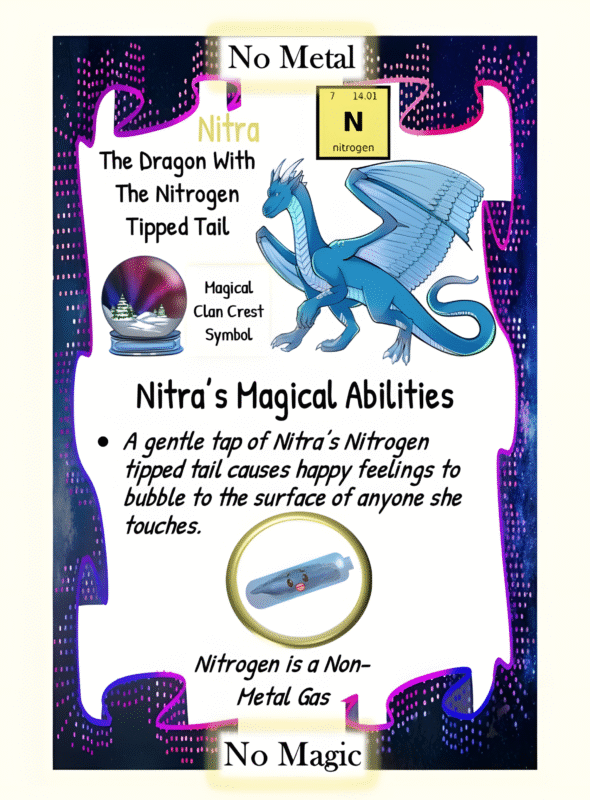
First Uses of the Periodic Table Element – Nitrogen

First Uses of the Periodic Table Element – Nitrogen. Unveiling the First Uses of Nitrogen and Why It’s No Longer Popular.Nitrogen, symbolized as N in the periodic table, is a versatile and abundant element that plays a fundamental role in various aspects of life. From fertilizers to explosives, nitrogen has been used throughout history for numerous purposes. Although it might seem like an essential component in many industries today, some of its initial uses have faded into obsolescence. This article delves into the genesis of nitrogen’s early applications and explores why it is no longer utilized for those purposes.

Continue reading

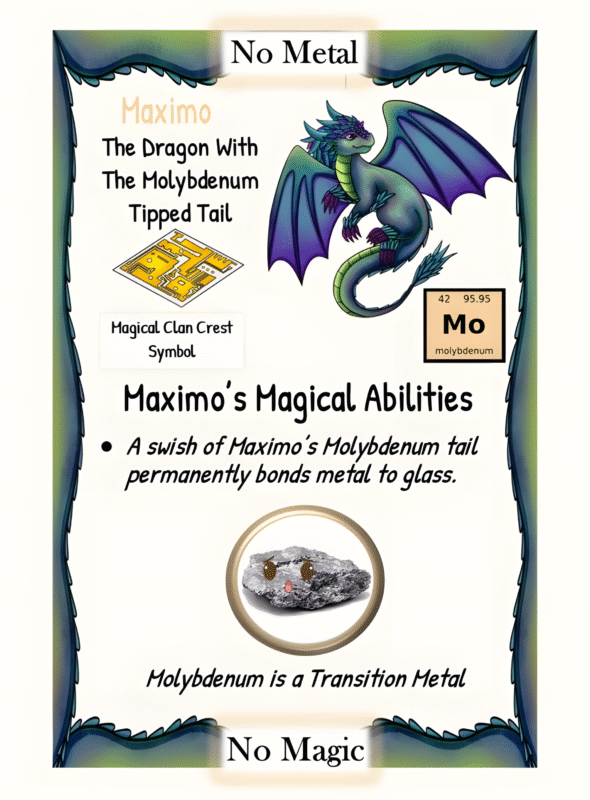
First Uses of the Periodic Table Element -Molybdenum

First Uses of the Periodic Table Element-Molybdenum. Molybdenum: Its Early Uses and Evolving Applications.Molybdenum, a chemical element with the atomic number 42, boasts remarkable properties that have fascinated scientists and engineers alike. Discovered in the late 18th century, molybdenum was initially hailed as a breakthrough material for numerous applications. However, over time, its primary uses have transitioned due to various factors. In this article, we will explore the early uses of molybdenum and delve into why it is no longer employed for those purposes.

Continue reading

First Uses of the Periodic Table Element – Lutetium

First Uses of the Periodic Table Element – Lutetium. The Journey of Lutetium: From Early Discoveries to Altered Applications.Lutetium, a rare earth element known by the atomic number 71, has a fascinating history that dates back to its discovery. In this article, we will explore the early uses of lutetium, understanding its properties, and ultimately uncovering why it is no longer employed for those initial purposes. While lutetium may have taken a different path than originally envisioned, its significance in modern applications remains noteworthy.

Continue reading