
The Early Applications of Ruthenium: A Journey Back in Time

Ruthenium, a rare transition metal in the platinum group, has a fascinating history rooted in its unique properties and exceptional reactivity. In this article, we delve into the first uses of ruthenium and explore why it is no longer employed for those early purposes.
Discovery and Initial Applications:
Ruthenium was discovered in 1844 by Russian chemist Karl Karlovich Klaus while studying platinum ores. Named after Russia, his homeland, ruthenium soon found applications in various fields due to its corrosion resistance, remarkable hardness, and ability to alloy with other metals. Here are a few notable early uses of ruthenium:
- Platinum alloys: Ruthenium’s hardness and resistance to tarnish made it an excellent choice for enhancing the properties of platinum. Small amounts of ruthenium could be alloyed with platinum to produce stronger and more durable materials used for electrical contacts, laboratory crucibles, and jewelry.
- Pen nibs and electrical contacts: The durability and wear resistance of ruthenium made it ideal for creating pen nibs and electrical contacts, ensuring extended lifespan and smooth operation.
- Catalysts in the chemical industry: Ruthenium-based catalysts found applications in various chemical processes, including hydrogenation reactions, synthesis of ammonia, and the conversion of nitrogen to nitric acid.

Reasons for Decline:
Despite an initially promising range of applications, ruthenium’s usage in those fields has diminished over time. Several factors contribute to this decline:
- Cost: Ruthenium is one of the rarest elements on Earth, with an average crustal abundance even lower than elements like gold and platinum. Obtaining significant quantities of ruthenium is thus expensive, which limits its potential application, especially in large-scale industries.
- Alternative materials: Over the years, alternatives that offer similar or better characteristics have emerged. Tungsten carbide and other hard materials replaced ruthenium in electrical contacts, while cheaper alloys and catalysts made with other metals have replaced ruthenium-based ones in various chemical processes.
- Environmental concerns: Ruthenium compounds, like many other heavy metals, can pose health and environmental risks if not managed properly. The decreased usage of ruthenium in certain applications may be attributed, in part, to concerns over its potential impact on the environment and human health.
Recent and Ongoing Applications:
While its early applications have diminished, ruthenium has found new uses in recent years. These include:
- Cancer treatment: Ruthenium-based compounds have shown promising anticancer properties, with some compounds demonstrating high efficacy in specific types of cancer cells. Research is ongoing to understand and harness ruthenium’s potential therapeutically.
- Catalysis for organic synthesis: Ruthenium catalysts continue to be employed in organic chemistry for various transformations, including selective hydrogenation, carbon-carbon bond formation, and polymerization reactions.
Though the first uses of ruthenium demonstrated its unique properties and exceptional reactivity, the decline in its employment in those areas is primarily attributed to cost, availability, environmental concerns, and the emergence of alternative materials. Nevertheless, ruthenium continues to play a vital role in modern science and technology, finding niche applications in fields such as cancer treatment and organic synthesis.
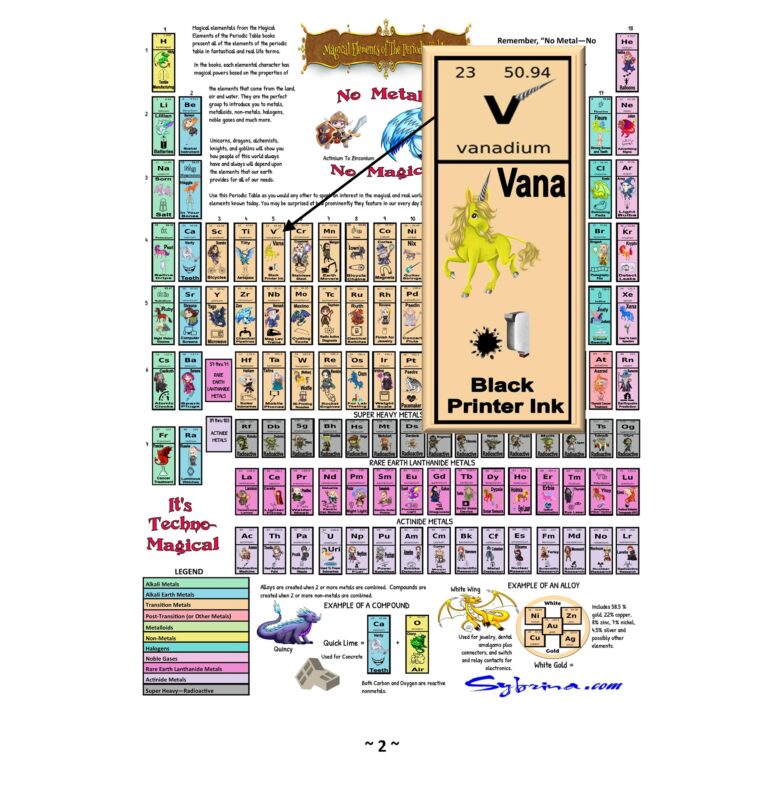
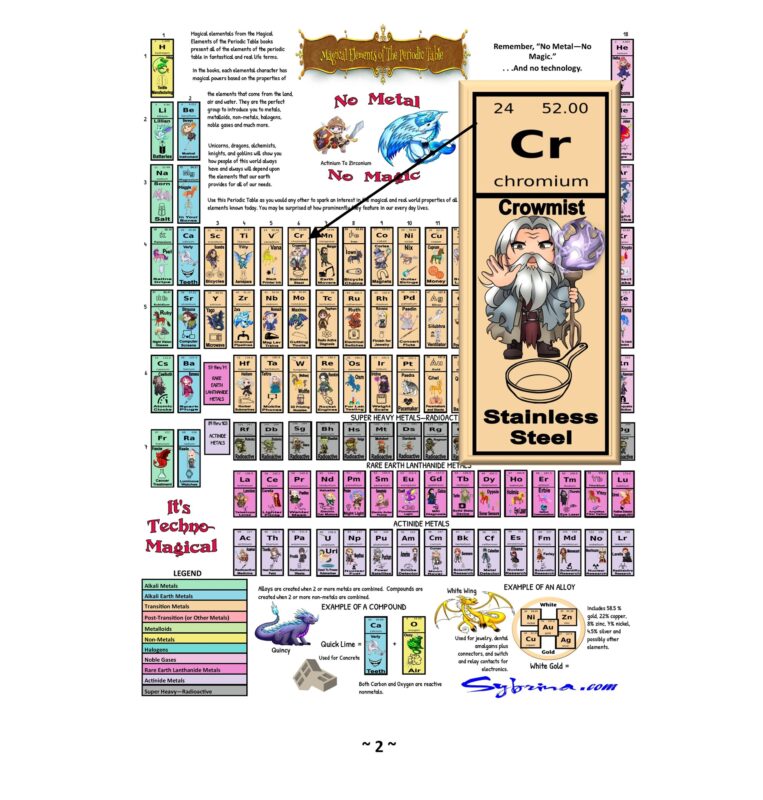
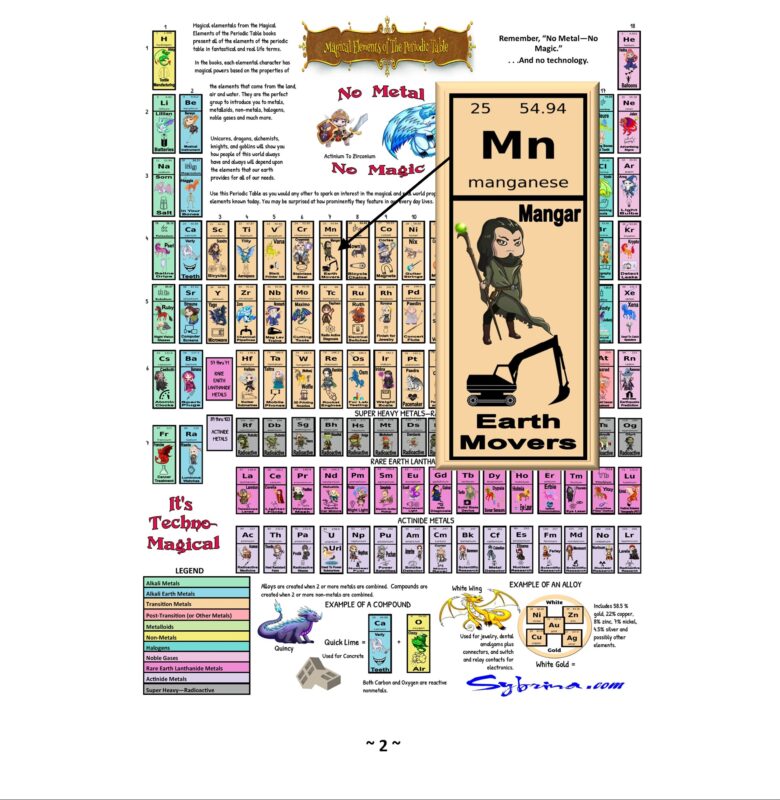
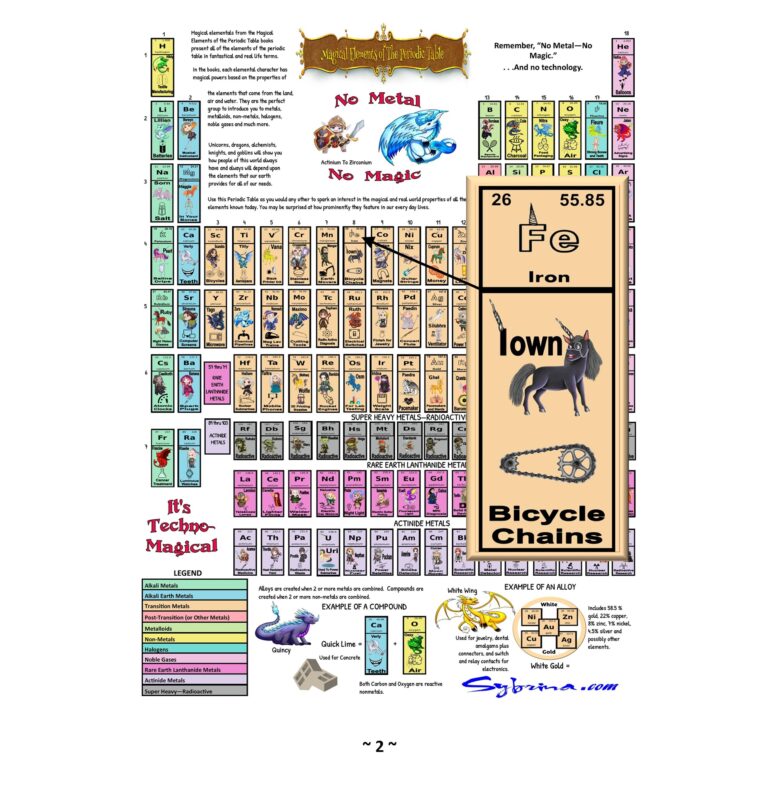
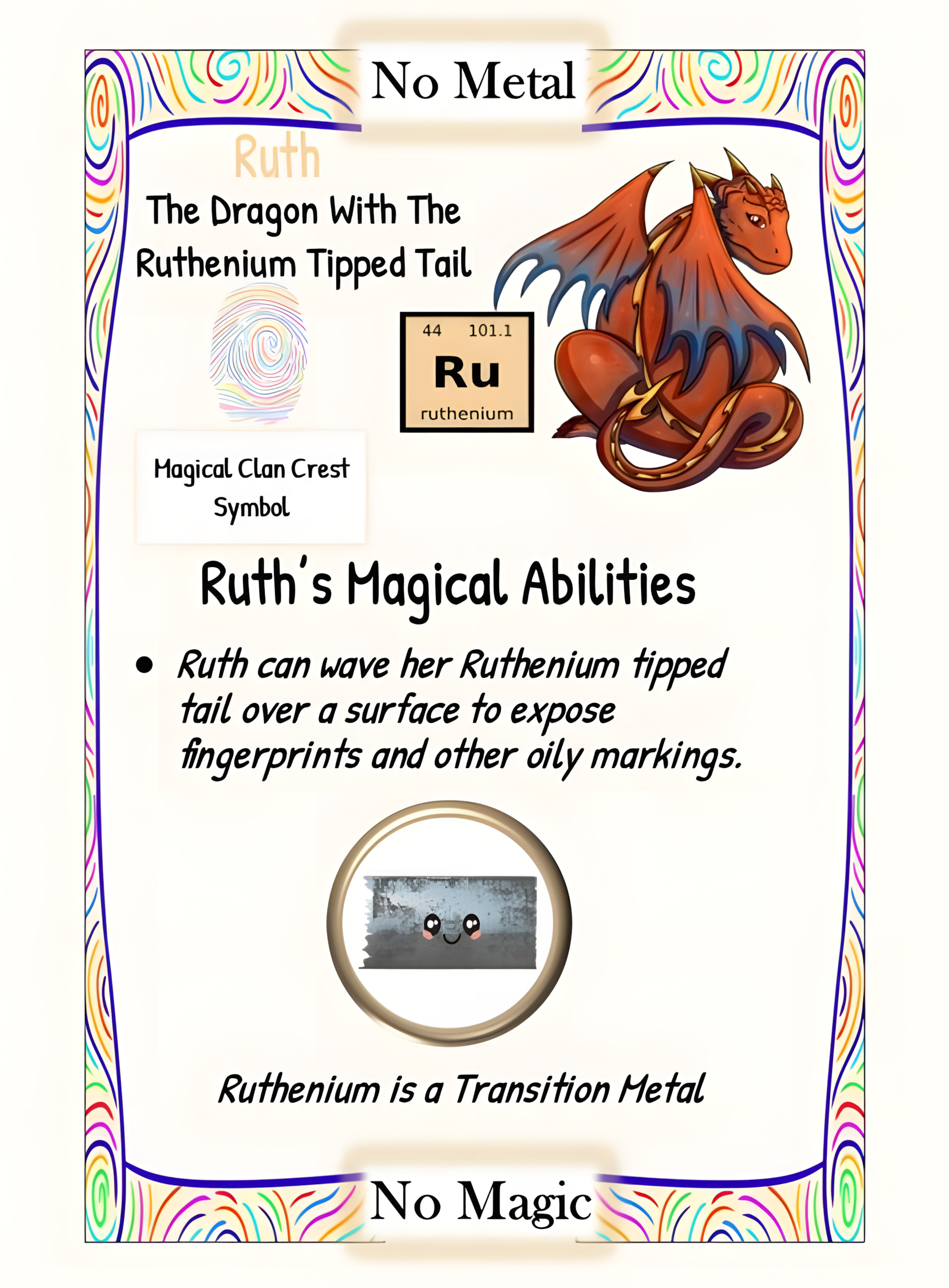
This article is brought to you by Sybrina Durant, the author of the middle grade picture book, Magical Elements of the Periodic Table Presented Alphabetically By The Elemental Dragons. Learn More. In that book Ruthenium is presented by the dragon, Ruth.

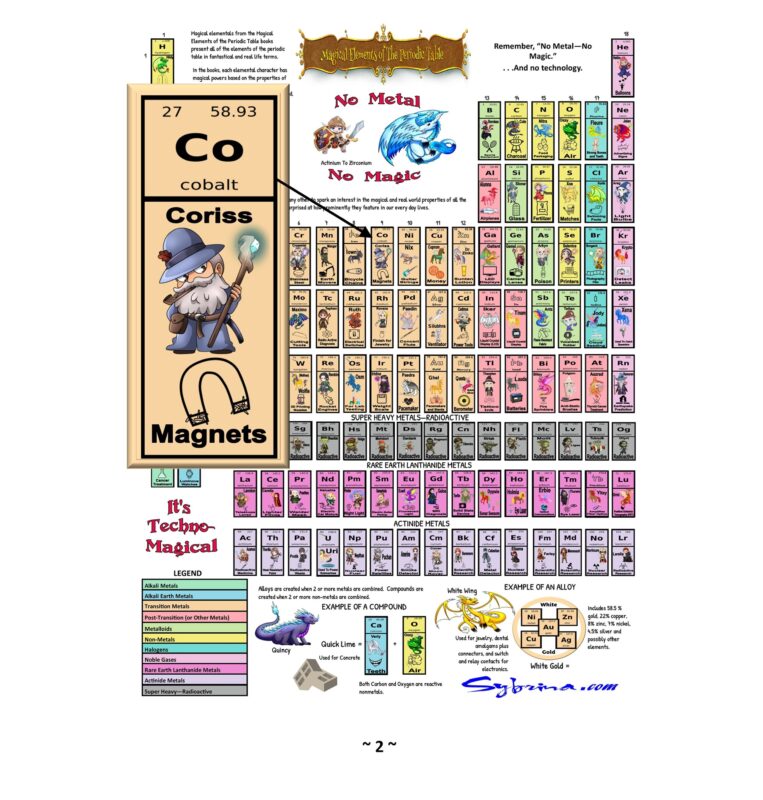
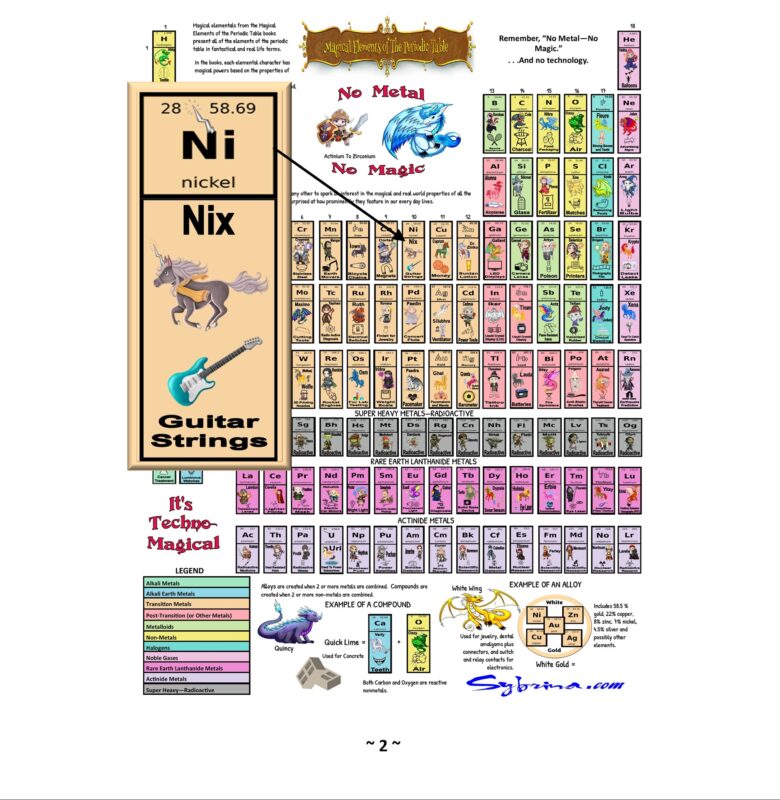
Inter-Active Elemental Fantasy-Themed Periodic Table from Magical Elements of the Periodic Table Presented Alphabetically by The Elemental Dragon Clan
Click here to use This Inter-Active Viewer To Learn More About The Elements Each Elemental Represents On This Periodic Table. Want this in a 24″ x 36″ Poster? Click here.

Sybrina Publishing Offers Fun Activities Based On The Book
Magical Elements of the Periodic Table Magical Elementals
Browse Magical Elemental Activities at MagicalPTElements or Sybrina-Publishing on TPT or Classful