
From Ancient Advancement to Obsolescence: The Early Uses of Iron and Its Evolution
Throughout human history, the discovery and utilization of new materials have played a vital role in shaping our civilization. One such material that revolutionized multiple industries in its early days was iron. The first indications of iron’s use date back to ancient civilizations, bringing newfound strength and durability to tools, weapons, and structures. However, as technological advancements flourished over time, iron gradually became obsolete in certain areas. This article explores the initial uses of iron and the reasons why it is no longer employed for those purposes today.
The Emergence of Iron
Iron mining and smelting first emerged in the Near East around 2000 BCE, migrating gradually across Europe, Asia, and Africa. The transition from the use of copper and bronze to iron marked a significant turning point in human development. Iron, being more abundant and obtainable, allowed for greater productivity and effectiveness in various industries.
- Tools and Implements
One of the primary uses of iron was the creation of tools and implements. Iron’s strength and ability to hold a sharp edge made it ideal for crafting cutting tools, axes, and chisels. These tools provided greater efficiency and durability compared to their bronze or stone counterparts, enabling civilizations to forge ahead in areas such as agriculture, construction, and craftsmanship.
- Weapons and Armor
As civilizations became more interconnected through trade and warfare, iron’s durability and strength led to its rapid adoption for weapons and armor. Spears, swords, and helmets made from iron proved superior to their bronze or leather equivalents, empowering armies with greater offensive capabilities and enhanced protection. The adoption of iron weaponry brought about transformative military strategies and altered the course of numerous historical events.
- Structural Advancements
The introduction of iron also brought forth significant advancements in construction and architecture. The Romans, for instance, developed intricate systems for constructing massive stone arches and aqueducts, reinforcing them with iron clamps or braces. Iron’s rigidity and malleability allowed for the creation of more elaborate and sturdy structures, contributing to the spread of impressive cities and trade networks during ancient times.

The Decline of Iron in Specific Applications
While iron undeniably played a monumental role in the early development of human civilization, several factors led to its eventual obsolescence in certain applications over time.
- Corrosion and Maintenance
One of the primary reasons iron is no longer favored for certain uses is its susceptibility to rust and corrosion. Over time, exposure to moisture and oxygen causes iron to deteriorate, requiring diligent maintenance. This issue made iron less practical in applications where sustained strength and durability were vital, leading to its replacement by more corrosion-resistant materials like stainless steel.
- Weight and Efficiency
Iron, being considerably heavier than some modern substitutes, was less desirable in applications such as transportation and engineering. As industrialization progressed, lighter materials with comparable strength, such as aluminum and carbon fiber, emerged as preferable alternatives. The reduced weight facilitated more efficient performance, especially in areas where energy conservation and maneuverability were crucial.
- Specialized Materials and Technological Advancements
Technological advancements have paved the way for the discovery and development of specialized materials tailored to specific applications. Advanced polymers, ceramics, and composites, possess unique characteristics that surpass the capabilities of iron. In sectors such as aerospace, electronics, and medicine, these modern materials offer superior strength, durability, and flexibility, rendering iron less efficient in those domains.
While iron’s initial uses revolutionized multiple industries and had an immense impact on human civilization, the ever-evolving landscape of technology and materials has rendered it obsolete for some applications. Although iron has shifted from the forefront of innovation in certain fields, it remains an integral component of infrastructure, manufacturing, and countless everyday items. As we look to the future, the exploration of new materials promises further advancements, ensuring the continued progression of our modern world.
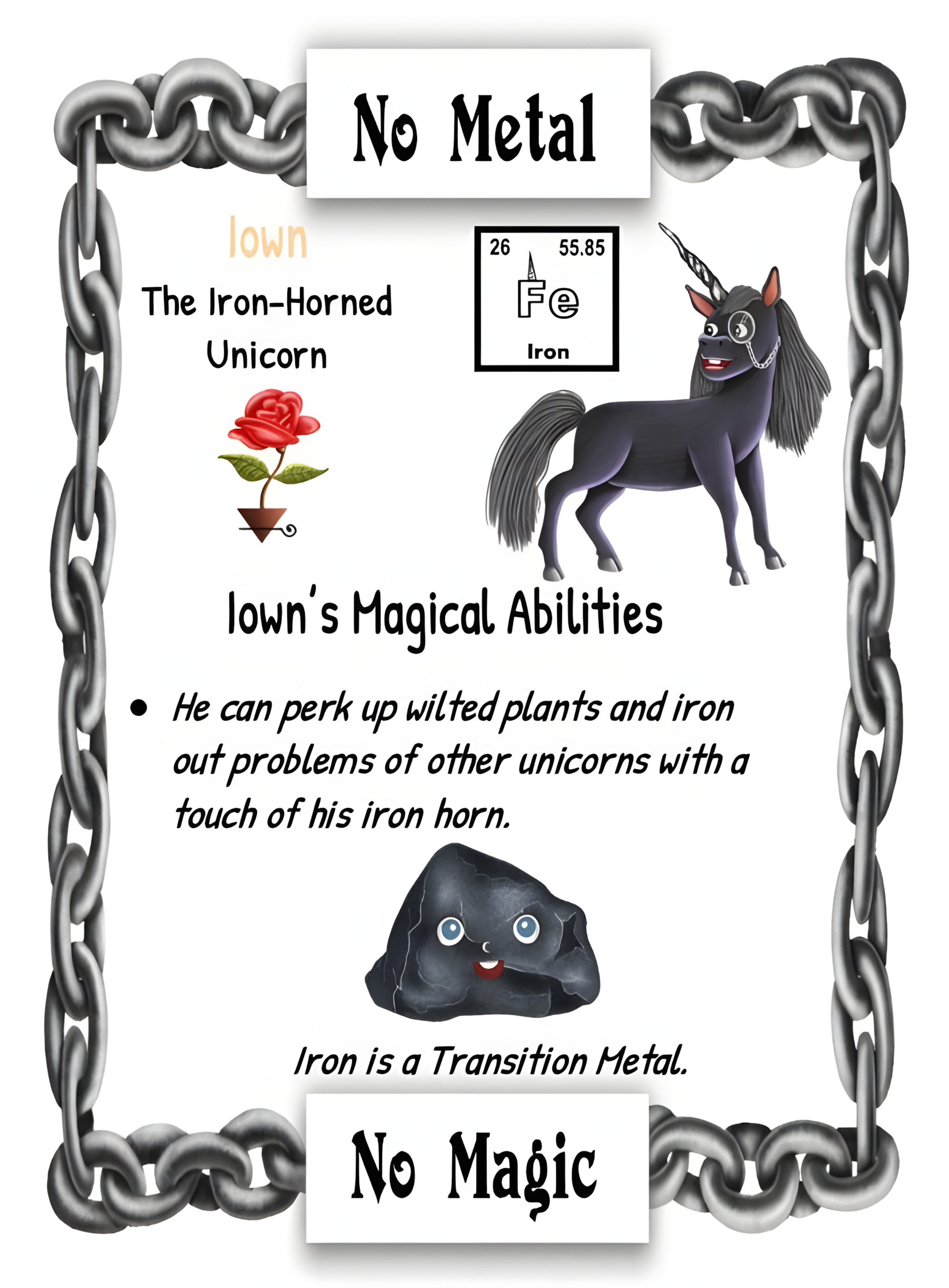
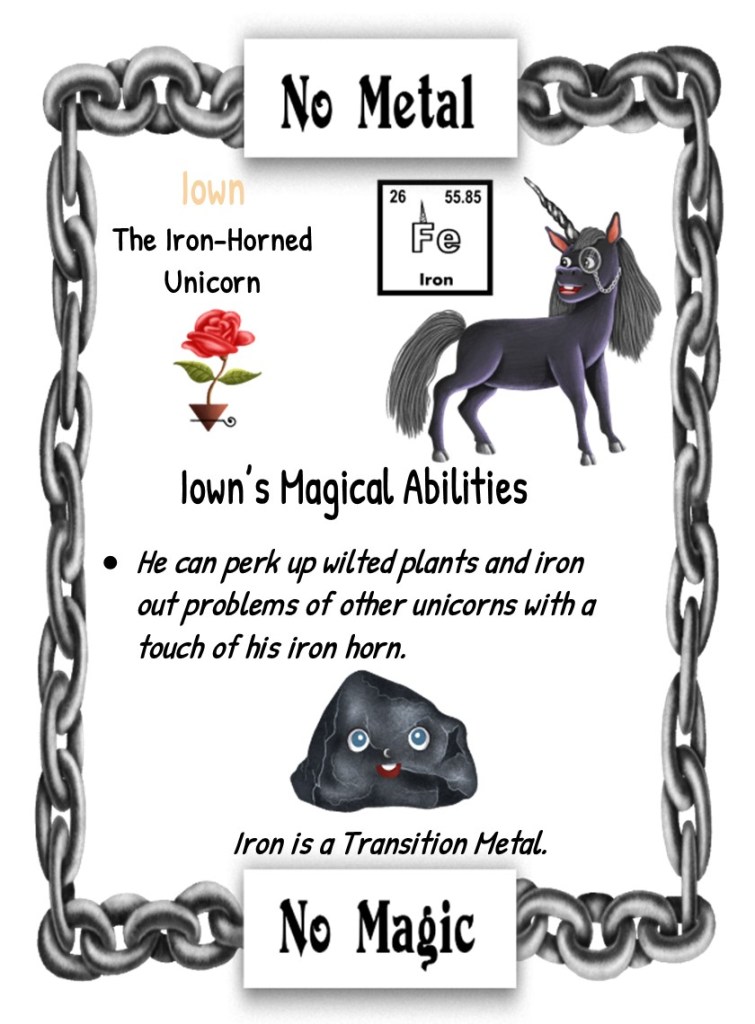
This article is brought to you by Sybrina Durant, the author of the middle grade picture book, Magical Elements of the Periodic Table Presented Alphabetically By The Elemental Unicorns. Learn More. In that book Iron is presented by the unicorn, Iown.

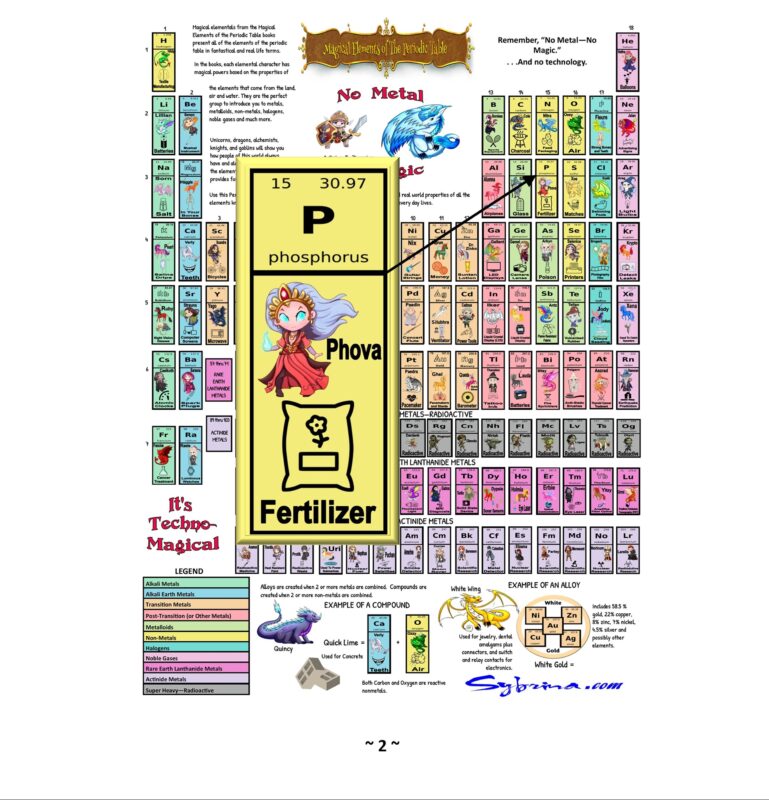
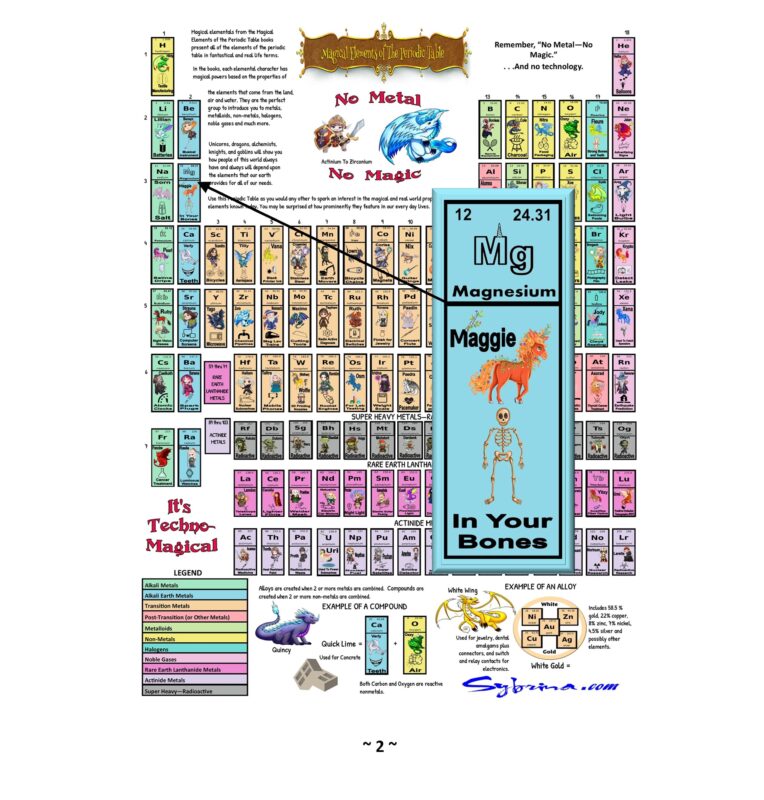
Inter-Active Elemental Fantasy-Themed Periodic Table from Magical Elements of the Periodic Table Presented Alphabetically by The Elemental Dragon Clan
Click here to use This Inter-Active Viewer To Learn More About The Elements Each Elemental Represents On This Periodic Table. Want this in a 24″ x 36″ Poster? Click here.

Sybrina Publishing Offers Fun Activities Based On The Book
Magical Elements of the Periodic Table Magical Elementals
Browse Magical Elemental Activities at MagicalPTElements or Sybrina-Publishing on TPT or Classful