First Uses of the Periodic Table Element -Osmium

First Uses of the Periodic Table Element -Osmium. Osmium: Exploring the First Uses and Understanding Why It is No Longer Utilized. Osmium, a rare and dense chemical element, has a rich history that spans thousands of years. From its discovery in the late 18th century to its diverse applications in the 19th and early 20th centuries, osmium’s unique properties and characteristics made it a popular choice for various purposes. However, as new discoveries emerged and humanity’s understanding of its limitations deepened, the utilization of osmium for these initial applications diminished. In this article, we explore the first uses of osmium and delve into why it is no longer employed for those purposes.

Continue reading

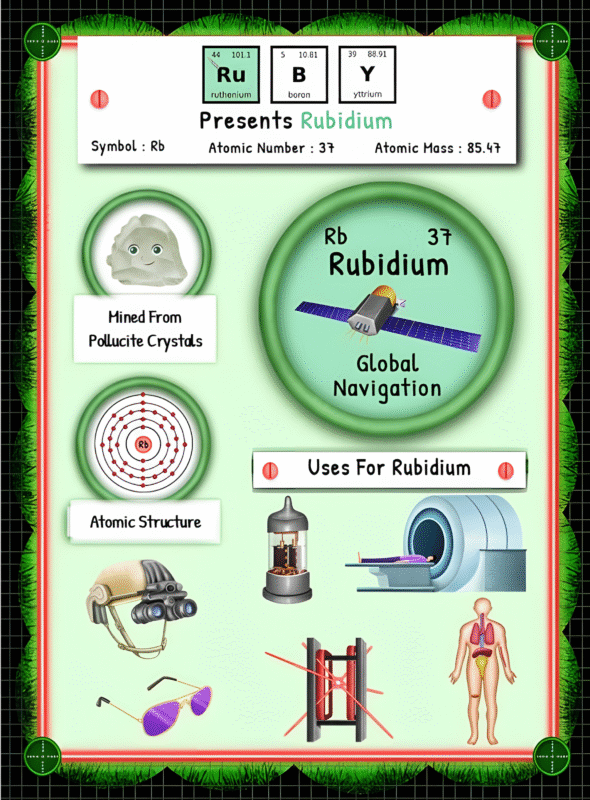
First Uses of the Periodic Table Element -Rubidium

First Uses of the Periodic Table Element -Rubidium. The Early Applications of Rubidium: A Fascinating Journey from Novelty to Obsolescence. Rubidium, a silvery-white alkali metal, made its debut in the scientific world in the early 1860s. It quickly gained attention for its unique properties and potential applications in various fields. While it held promise in its early years, the use of rubidium gradually declined due to several limitations and the emergence of more suitable alternatives. In this article, we will explore the first uses of rubidium and delve into the reasons behind its eventual obsolescence.

Continue reading

First Uses of the Periodic Table Element -Mercury

First Uses of the Periodic Table Element -Mercury. The Fascinating Tale of Mercury’s Historical Uses and its Fallout.Mercury, one of the most intriguing elements in the periodic table, has a long and storied history. From renowned alchemists’ quest for the philosopher’s stone to explosive advancements in scientific fields, mercury has played a pivotal role. This versatile metallic element was once highly prized for its unique properties, but over time, its toxic nature was discovered, leading to an end to its extensive use. This article will delve into the historical uses of mercury and explain why it is no longer employed for those purposes.

Continue reading

First Uses of the Periodic Table Element -Silver

First Uses of the Periodic Table Element -Silver. From Currency to Conductivity: The History and Evolution of Silver’s Uses. Silver has been recognized for centuries as a precious metal, valued for its beauty and durability. Throughout history, silver has played many roles, including being widely used as currency, an art medium, and even a medicinal remedy. However, over time, technological advancements and evolving societal needs have rendered silver less indispensable for certain purposes, leading to its decreased usage in various sectors. This article delves into the first uses of silver and provides insights into why it is no longer as widely employed for those purposes.

Continue reading

First Uses of the Periodic Table Element -Magnesium

First Uses of the Periodic Table Element -Magnesium. The Definitive Guide to Magnesium: From Ancient Marvel to Modern Misjudgment. Magnesium, a remarkable metal with diverse properties, has played a significant role throughout human history. From its first uses in ancient times to its decline in certain applications, the evolution of magnesium tells a compelling story of discovery and advancement. In this article, we will explore the first uses of magnesium and why it is no longer employed for those purposes.

Continue reading

First Uses of the Periodic Table Element -Lead

First Uses of the Periodic Table Element -Lead. From Ancient Times to Modern Science: The First Uses of Lead in the Periodic Table. Lead, designated as Pb on the periodic table, has a long and fascinating history of use by humans dating back thousands of years. From ancient civilizations to modern science, lead has found a range of applications. However, due to growing awareness of its hazardous effects on health and the environment, lead is no longer utilized for many of its past purposes. This article explores the historical significance of lead and the reasons behind its decline in usage.

Continue reading