
The Origin of Carbon: A Natural Element with Commercial Significance

Carbon, an essential element for life on Earth, holds a fascinating origin story. While it does occur in nature as a pure element, it is primarily found in compounds and minerals. This article explores the origin of carbon, its extraction processes, commercial production, and the environmental implications associated with its mining and production across different countries.
Carbon, in its purest form, can be found naturally in a few places on Earth. The most notable of these is diamonds, which are formed deep within the Earth’s mantle under high pressures and temperatures. Diamonds consist solely of carbon atoms arranged in an incredibly compact and organized manner.
Apart from diamonds, pure carbon is rare to find in nature. It is most commonly found in the form of carbon compounds, such as carbon dioxide (CO2) in the atmosphere, in organic matter like plants and animals, and in minerals like limestone, dolomite, and graphite. These compounds and minerals serve as major sources for extracting carbon commercially.
The mining process for carbon primarily involves the extraction of carbon-rich minerals, particularly graphite. Graphite is a form of crystalline carbon that is usually mined through open-pit or underground methods. In the open-pit method, the topsoil is removed, and the ore is extracted using heavy machinery. Underground mining involves tunneling into the earth to access deeper graphite deposits.
Once the graphite ore is extracted from the ground, it undergoes several processing stages to obtain commercial-grade graphite. The ore is crushed, milled, and then subjected to flotation, where impurities are selectively removed. The resulting graphite concentrate can be further processed to enhance its properties, such as by purifying it to increase carbon content or converting it into specialty graphite products.
While graphite is the primary source of carbon mining, it’s worth noting that other carbon-rich minerals are also mined. For instance, coal, which is primarily composed of carbon, is mined extensively for electricity generation, industrial processes, and steel production. However, coal mining is beyond the scope of this article’s focus on carbon origin and extraction.
Several countries around the world engage in carbon mining, with China being the largest producer. China’s abundant graphite resources and significant investments in mining infrastructure have contributed to its leading position in graphite production. The high demand for graphite, particularly in the growing lithium-ion battery industry, has fueled China’s dominance.
Unfortunately, the massive carbon mining industry in China has come at a significant environmental cost. Mining operations generate substantial amounts of waste materials, including rock, soil, and tailings, which can pollute nearby water sources and degrade ecosystems. Additionally, the energy-intensive processes involved in mining and processing can contribute to greenhouse gas emissions, adding to environmental concerns.
In terms of commercial production, China also holds a significant lead in the global market. The country’s well-established supply chains, advanced processing technologies, and competitive pricing have made it a prominent player in the graphite product market. Other major producers include India, Brazil, Canada, and Mozambique, with each country contributing to the global supply of carbon-based products.
The dominance of carbon mining and production in certain countries can have profound environmental and social impacts. High demand for carbon products can result in deforestation, habitat destruction, and the displacement of local communities. Additionally, the release of pollutants and carbon emissions during mining and processing can further contribute to air and water pollution.
In conclusion, while carbon does occur in nature as a pure element, it is primarily found in compounds and minerals. The extraction process for carbon-rich minerals, such as graphite, involves mining, crushing, milling, and various processing stages. China is the largest producer of carbon, particularly graphite, and holds a significant share of the global market. However, this dominance comes with environmental challenges, as carbon mining and production can lead to pollution and habitat degradation. As the demand for carbon-based products continues to rise, it becomes crucial to find sustainable approaches that minimize these environmental impacts for the greater benefit of our planet.
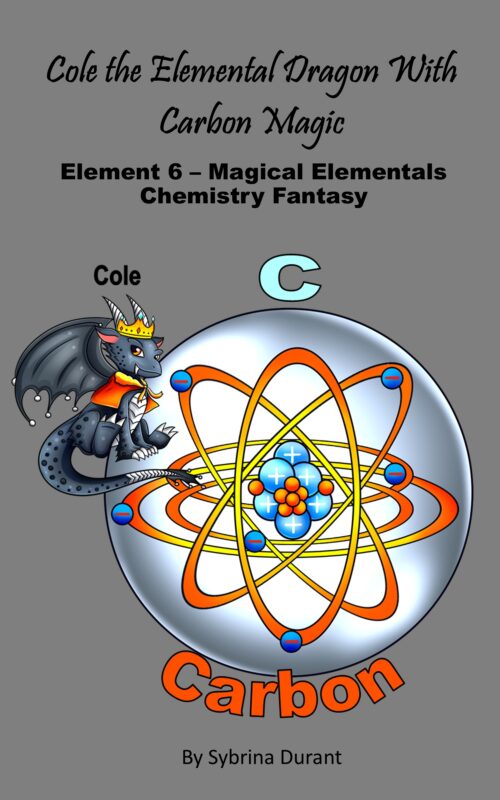
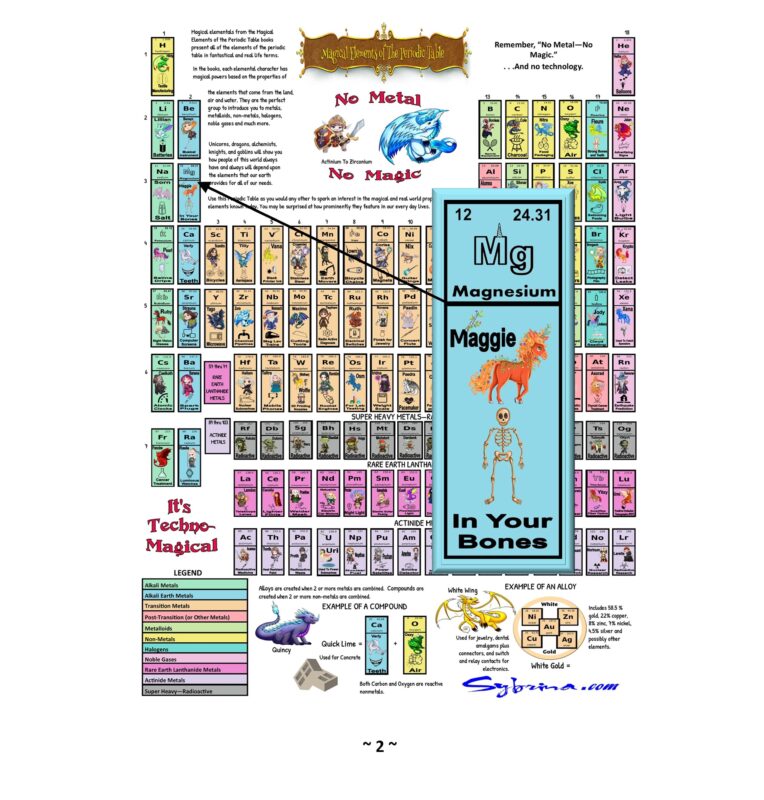
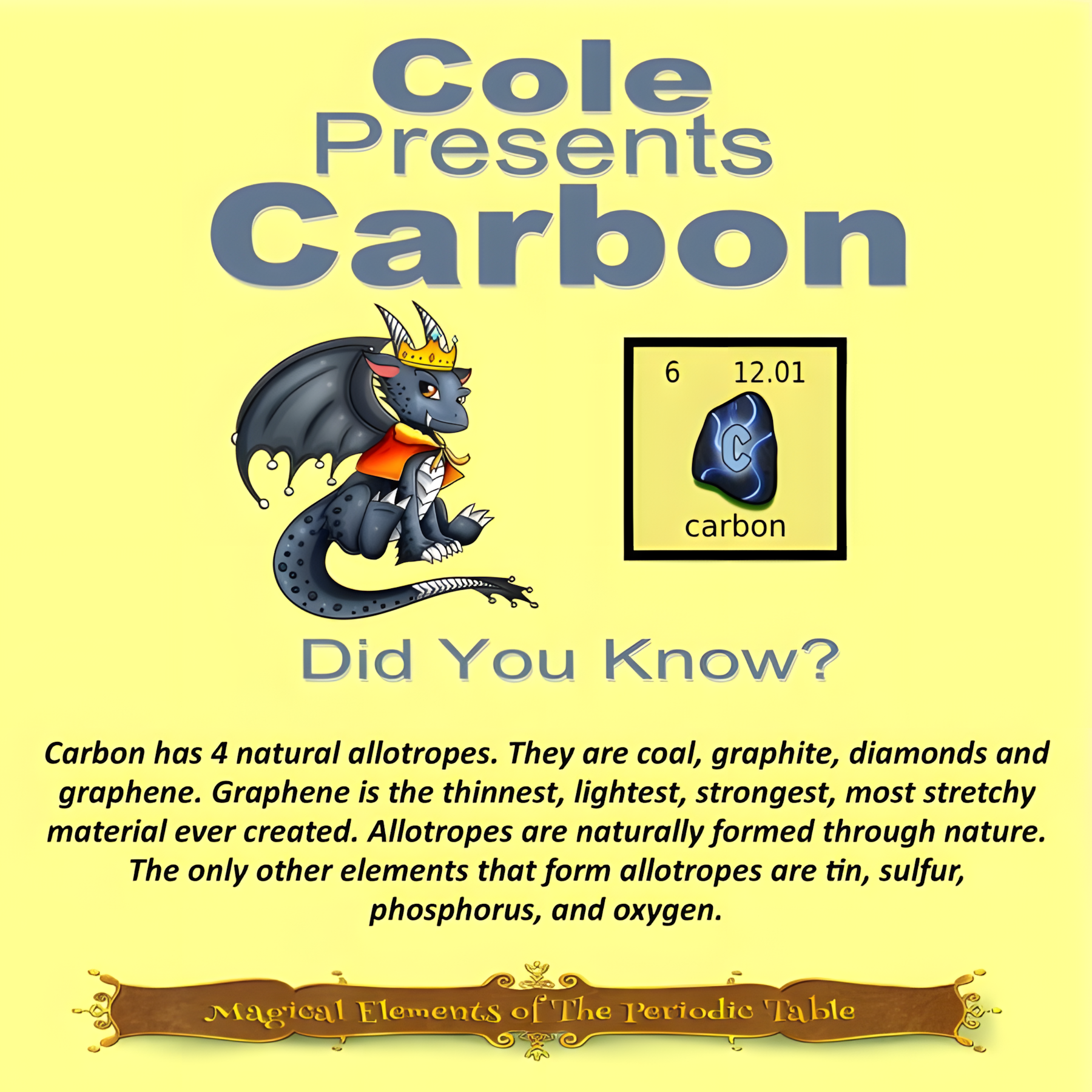
This article is brought to you by Sybrina Durant, the author of the middle grade picture book, Magical Elements of the Periodic Table Presented Alphabetically By The Elemental Dragons. Learn More. In that book Carbon is presented by the dragon, Cole.


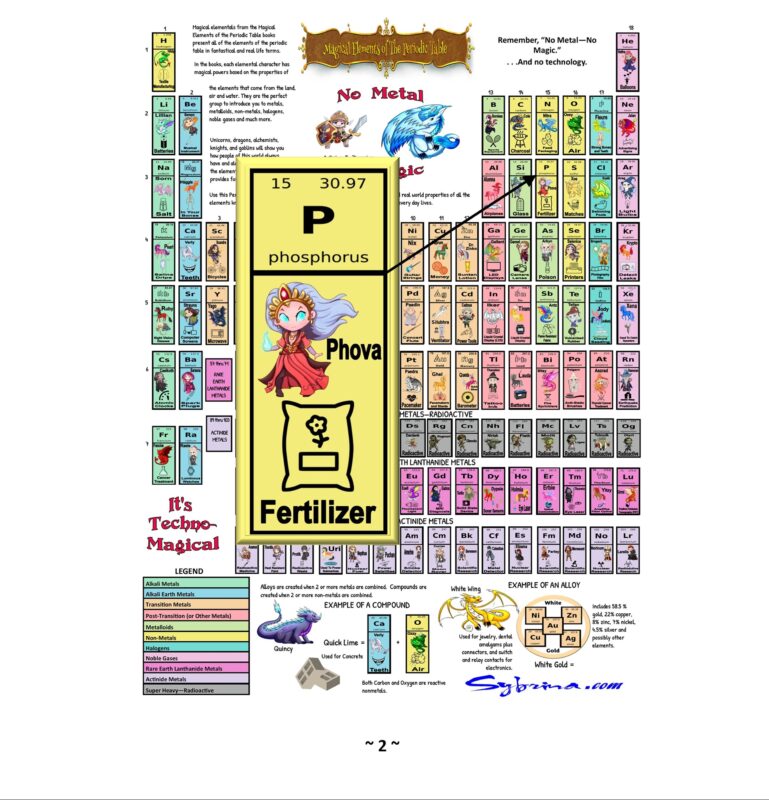
Inter-Active Elemental Fantasy-Themed Periodic Table from Magical Elements of the Periodic Table Presented Alphabetically by The Elemental Dragon Clan
Click here to use This Inter-Active Viewer To Learn More About The Elements Each Elemental Represents On This Periodic Table. Want this in a 24″ x 36″ Poster? Click here.

Sybrina Publishing Offers Fun Activities Based On The Book
Magical Elements of the Periodic Table Magical Elementals
Browse Magical Elemental Activities at MagicalPTElements or Sybrina-Publishing on TPT or Classful