
From Ancient Marvel to Modern Extinction: The First Uses of Copper and Its Decline as a Preferred Material
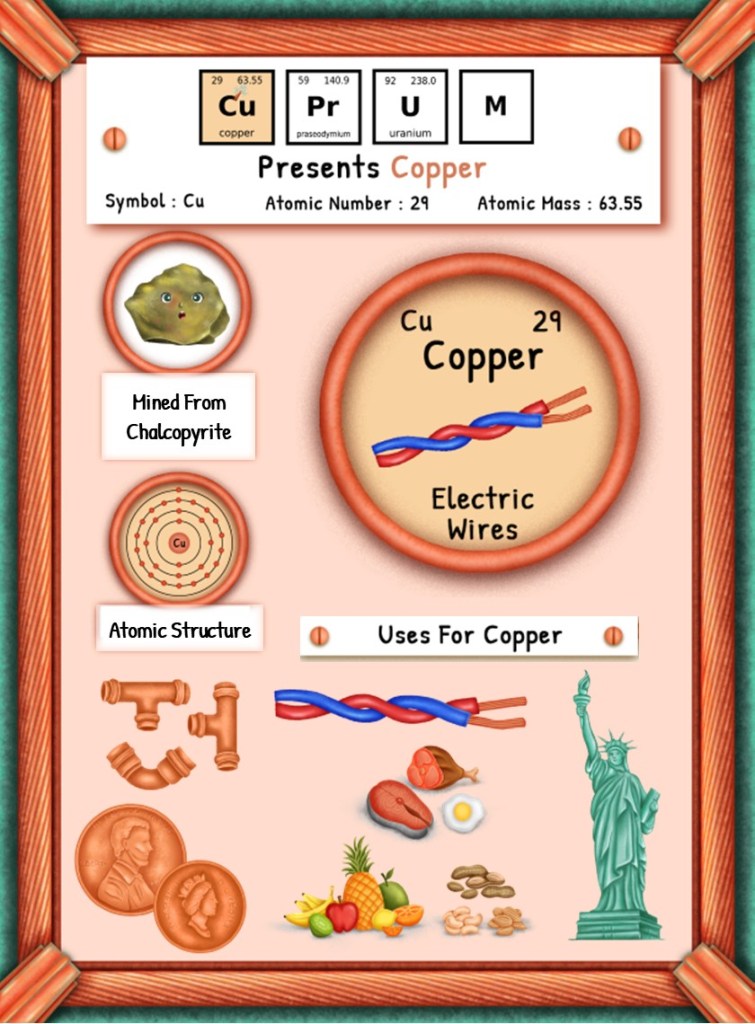
Copper, a lustrous red-orange metal, has played a significant role in human civilization for over 10,000 years. Its versatile nature and abundance made it an essential material in ancient times, finding various applications in tools, weapons, and even early forms of currency. However, as technology advanced and alternative materials were discovered, copper began to lose its predominance in certain areas, making way for more effective and accessible substances. This article will explore the initial uses of copper and delve into why it is no longer favored for those purposes.
Ancient Uses of Copper:
The earliest known evidence of copper use dates back to around 9,000 BCE. In the Neolithic period, prehistoric humans used this metal to create simple tools and weapons. Copper’s malleability and ductility allowed artisans to craft axe heads, knives, and spear tips, which enhanced their hunting and gathering capabilities. This marked a significant milestone in human development, as the transition from stone tools to metal tools revolutionized early societies.
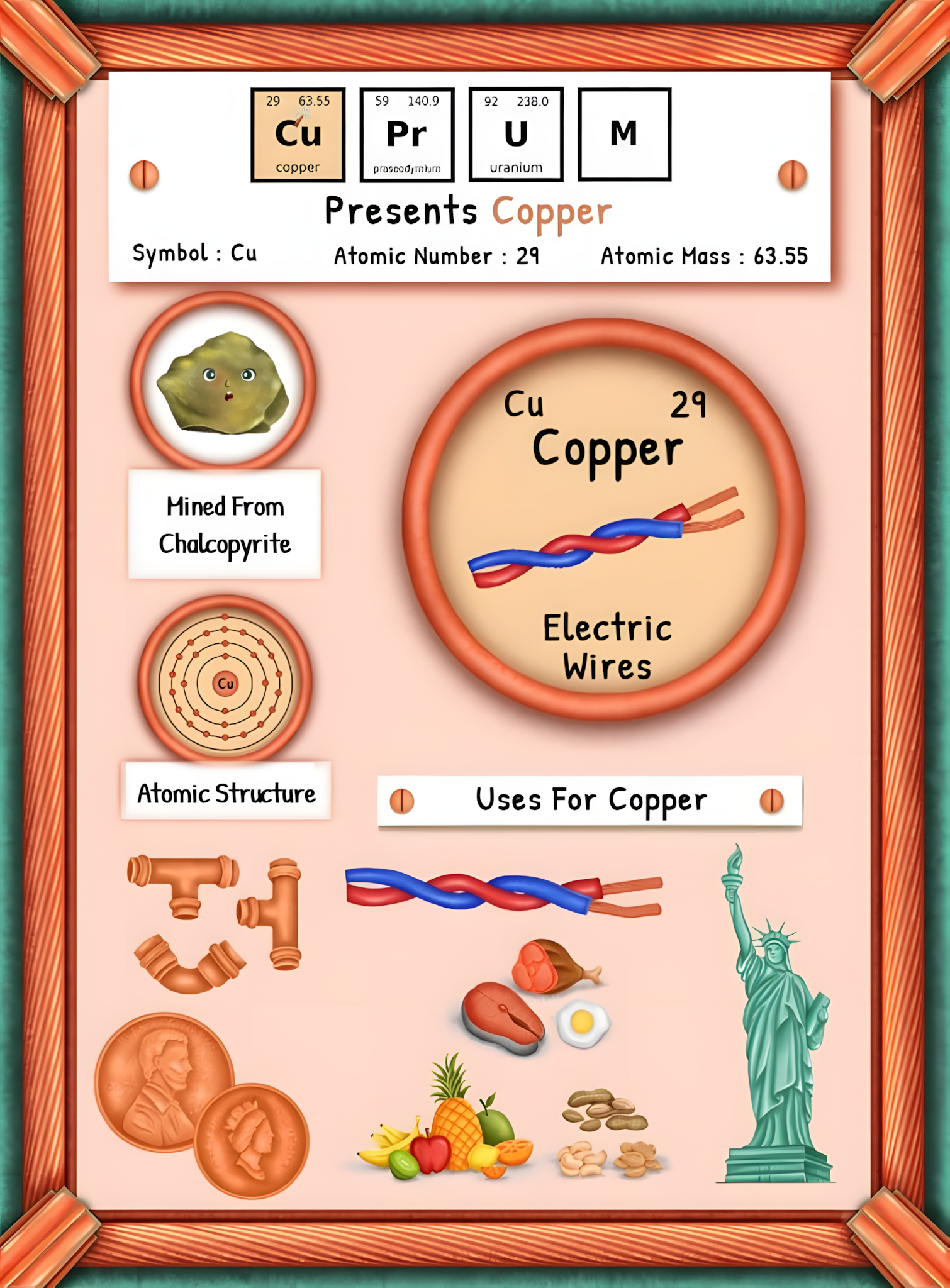
Copper’s conductivity also made it ideal for creating rudimentary electrical objects. Ancient Egyptians, Mesopotamians, and later the Greeks, understood how to harness its electrical properties, using it in rudimentary batteries, conductive wires, and even in the construction of the famed Statue of Liberty.
Decline in Copper Usage:
While copper remained indispensable for multiple applications, its usage diminished throughout history, particularly in areas where it struggled to meet modern requirements. Here are a few reasons why copper has lost its prominence in certain fields:
- Corrosion and Maintenance: Copper, although resistant to corrosion, can tarnish and develop a greenish patina over time, making it less desirable for exterior applications. This requires regular maintenance and can be costly in large-scale uses. In contrast, modern materials like stainless steel and aluminum offer greater resistance to corrosion and require less upkeep.
- Weight Considerations: Copper is relatively heavy compared to other metals, such as aluminum or titanium. This characteristic has led to its replacement in industries where weight reduction is crucial, such as aerospace and automotive manufacturing.
- Electrical Conductivity Advancements: While copper boasts excellent electrical conductivity, modern technological advancements have introduced materials like aluminum and various alloys that offer comparable or improved conductive properties. These alternatives are often lighter and more cost-effective, leading to their adoption in electrical and electronic applications.
- Availability and Cost: The diminishing supply of easily accessible copper deposits has raised concerns about its future availability. As mining becomes more challenging and expensive, industries have sought alternative materials that are more abundant and cost-effective.
Modern Uses and Copper’s Resurgence:
Despite its decline in certain sectors, copper continues to be a valuable material in various applications. Its exceptional thermal and electrical conductivity make it indispensable in the electronics industry, where it is used extensively in wiring, circuit boards, and heat sinks. Furthermore, due to its antimicrobial properties, copper is regaining popularity in hospitals, antimicrobial coatings, and even touch surfaces to minimize the spread of infections.
For thousands of years, copper held an esteemed position in human society due to its remarkable qualities and versatility. While it may have retreated from some areas, primarily due to advancements in technology and new material discoveries, it remains highly valued in contemporary industries. As the demand for sustainable and eco-friendly solutions increases, copper’s recyclability and durability may lead to a resurgence in its usage, ensuring its legacy continues to influence humanity’s progress for generations to come.
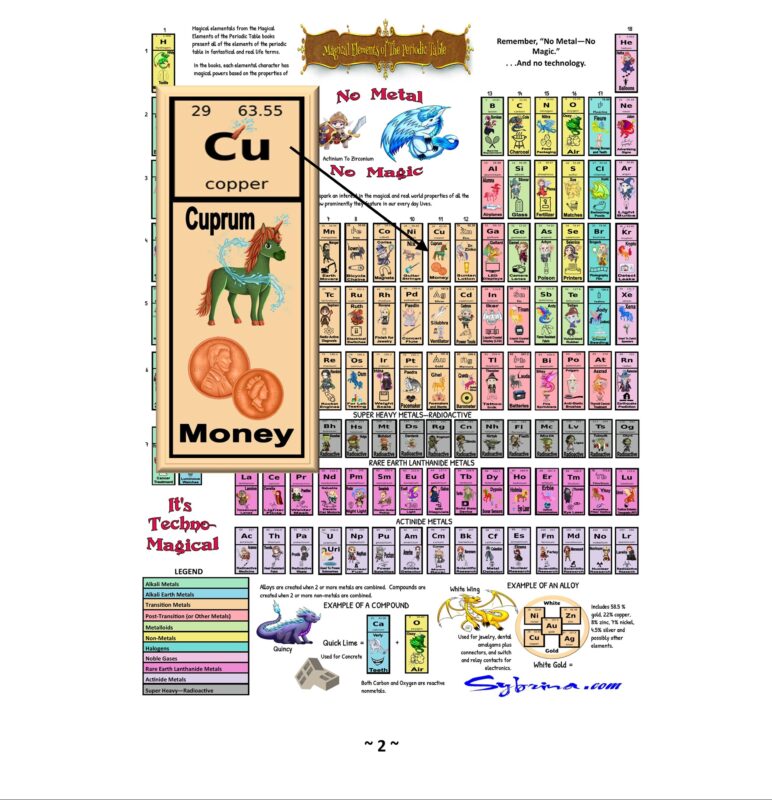
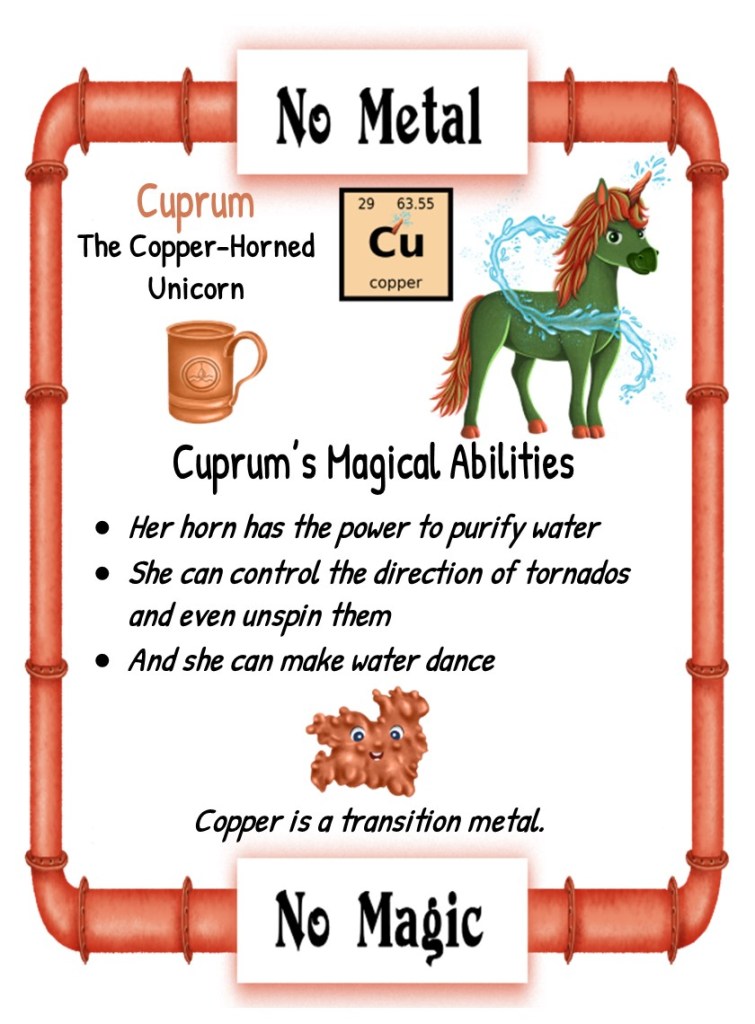
This article is brought to you by Sybrina Durant, the author of the middle grade picture book, Magical Elements of the Periodic Table Presented Alphabetically By The Metal Horn Unicorns. Learn More. In that book Copper is presented by the unicorn, Cuprum. Cuprum is one of the metal horn unicorns featured in the Journey To Osm collection of books by Sybrina Durant. Read Cuprum’s Story.

Sybrina Publishing Offers Fun Activities Based On The Book
Magical Elements of the Periodic Table Presented Alphabetically By The Metal Horn Unicorns
Browse Sybrina-Publishing on TPT or Classful or The Unicorn Periodic Table Elements Store
Inter-Active Unicorn-Themed Periodic Table from Magical Elements of the Periodic Table Presented Alphabetically by The Metal Horn Unicorns
Click here to use This Inter-Active Viewer To Learn More About The Elements Each Unicorn Represents On This Periodic Table.

Want To Hear The No Metal No Magic Song?
100 Unicorn Tee Shirt Designs – Browse To Pick Your Favorite