
The Origin and Commercial Production of Oxygen

Oxygen, an essential element for life as we know it, plays a crucial role in supporting various chemical reactions occurring in nature. But where does oxygen come from, and how is it commercially produced? In this article, we will explore the origin of oxygen, its extraction methods, commercial processing, and its impact on the environment in various countries.
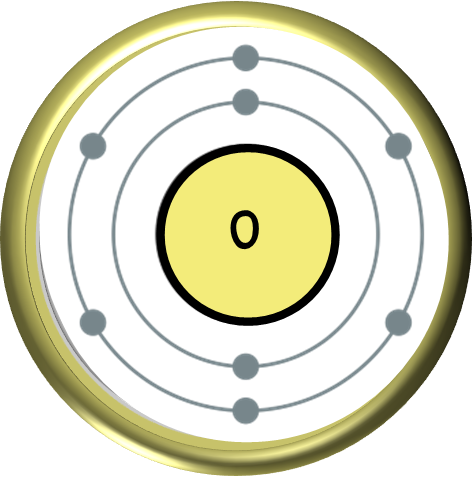
Oxygen is a chemical element with the symbol “O” and atomic number 8. It is a gas that occurs naturally in the Earth’s atmosphere, making up about 21% of the air we breathe. However, oxygen does not occur in its pure form in nature. Instead, it exists as a diatomic molecule (O2), meaning two oxygen atoms are chemically bonded together.
While oxygen is abundant in the atmosphere, industrial and commercial needs often require the extraction of oxygen from other sources. The most common method is the separation of oxygen from air. This process is achieved through fractional distillation, which takes advantage of the different boiling points of the various components in air. By cooling and compressing air, it can be separated into its constituent gases including oxygen, nitrogen, and argon.
Additionally, oxygen can be extracted from water through a process called electrolysis. Electrolysis involves passing an electric current through water, causing the molecule to break apart into oxygen and hydrogen gas. This method is commonly used in laboratories and small-scale industrial applications.
When it comes to the commercial production of oxygen, the mining process is not involved since the primary sources of oxygen extraction are the atmosphere and water. However, extracting and processing oxygen from these sources is energy-intensive. Industries use large-scale air separation units to separate oxygen from the air, while electrolysis is used for smaller-scale production. The extracted oxygen is then compressed, purified, and packaged in various forms such as gas cylinders or liquid containers for commercial use.
Many countries are involved in the extraction and commercial production of oxygen, but the top producers vary depending on the specific method of extraction. The United States, China, and India are major producers of oxygen extracted through air separation units, thanks to their large industrial sectors and high demand for oxygen in various applications. In terms of oxygen extraction from water using electrolysis, Japan and South Korea are leaders due to their technological advancements and focus on innovation.
The commercial production of oxygen has numerous applications across various industries. Medical facilities require oxygen for respiratory therapies and as a supplement for patients with breathing difficulties. The chemical industry uses oxygen in the production of chemicals and pharmaceuticals. Additionally, oxygen is used for cutting and welding metals, supporting combustion processes, and in the aerospace industry for rocket propulsion.
While the extraction and commercial production of oxygen do not directly impact the environment negatively, the energy-intensive processes involved in large-scale oxygen production can have environmental consequences. The extraction of oxygen from the atmosphere requires significant amounts of energy, mostly derived from the burning of fossil fuels. This increases greenhouse gas emissions and contributes to climate change.
Furthermore, countries with high oxygen production, like China and the United States, face challenges related to environmental pollution from the industries that demand large amounts of oxygen. The emissions from these industries can lead to air and water pollution if not adequately controlled. Additionally, the energy required for oxygen production often comes from burning fossil fuels, further exacerbating air pollution and contributing to climate change.
In conclusion, oxygen, though abundant in the Earth’s atmosphere, is commercially produced by extracting it from air or water through processes like fractional distillation and electrolysis. The extraction and commercial production of oxygen have numerous applications across industries, with major producers varying depending on extraction methods. However, the energy-intensive processes involved in large-scale production can have negative environmental consequences, contributing to greenhouse gas emissions and air pollution. As demand for oxygen continues to increase, it is essential to focus on sustainable production methods to minimize the impact on the environment.
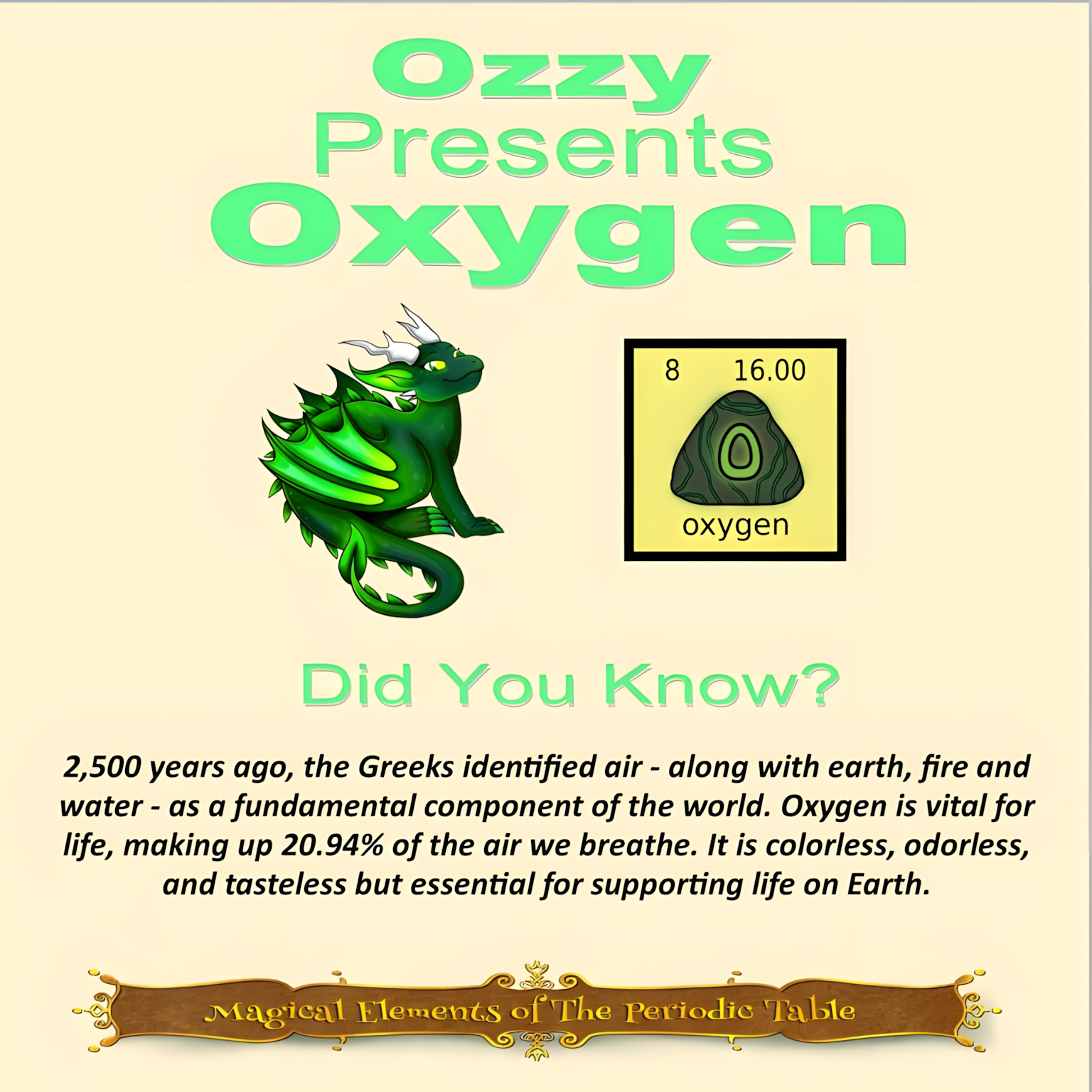
This article is brought to you by Sybrina Durant, the author of the middle grade picture book, Magical Elements of the Periodic Table Presented Alphabetically By The Elemental Dragons. Learn More. In that book Oxygen is presented by the dragon, Ozzy.

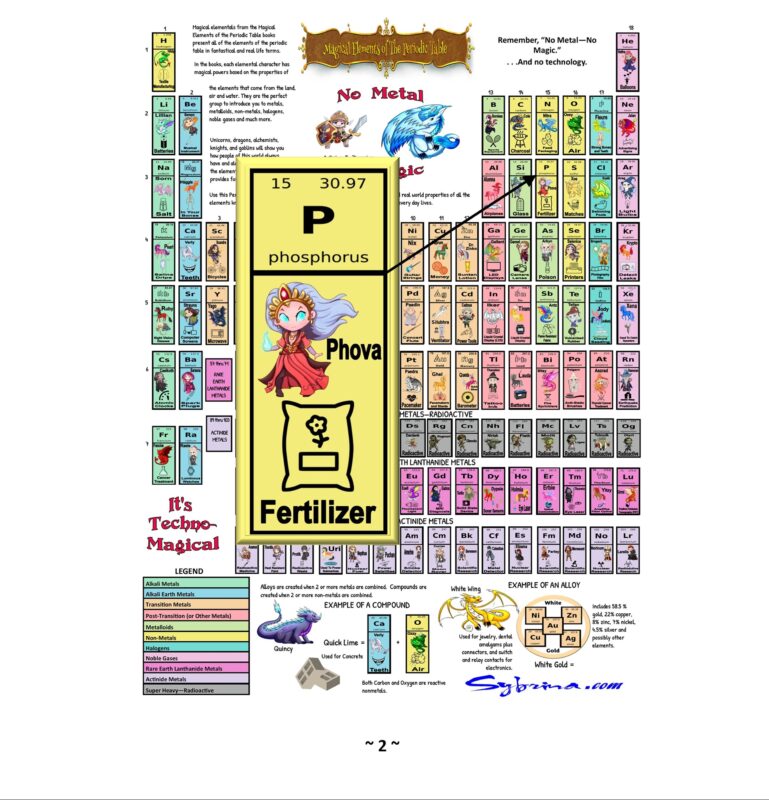
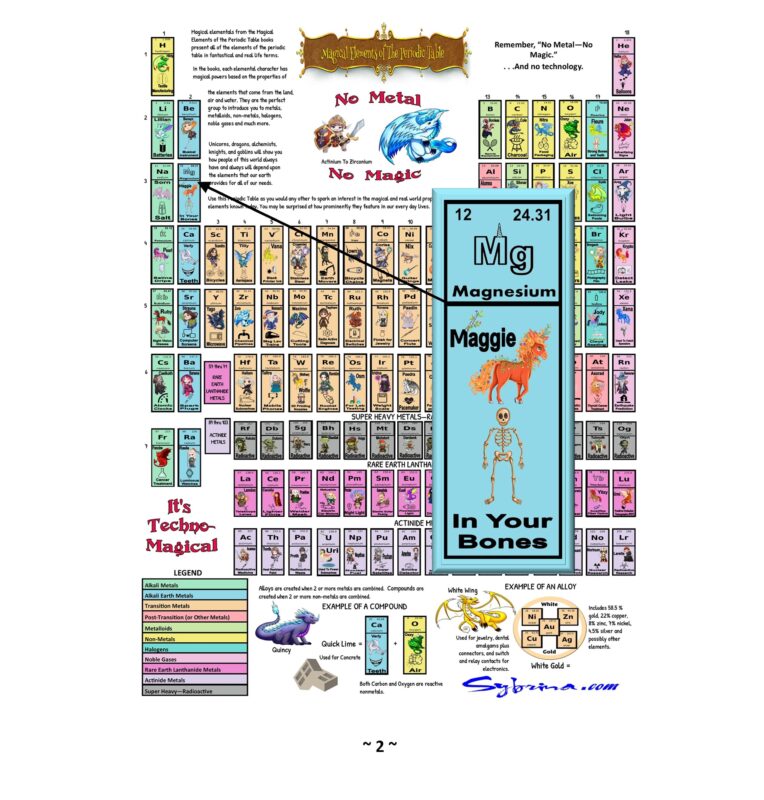
Inter-Active Elemental Fantasy-Themed Periodic Table from Magical Elements of the Periodic Table Presented Alphabetically by The Elemental Dragon Clan
Click here to use This Inter-Active Viewer To Learn More About The Elements Each Elemental Represents On This Periodic Table. Want this in a 24″ x 36″ Poster? Click here.

Sybrina Publishing Offers Fun Activities Based On The Book
Magical Elements of the Periodic Table Magical Elementals
Browse Magical Elemental Activities at MagicalPTElements or Sybrina-Publishing on TPT or Classful