
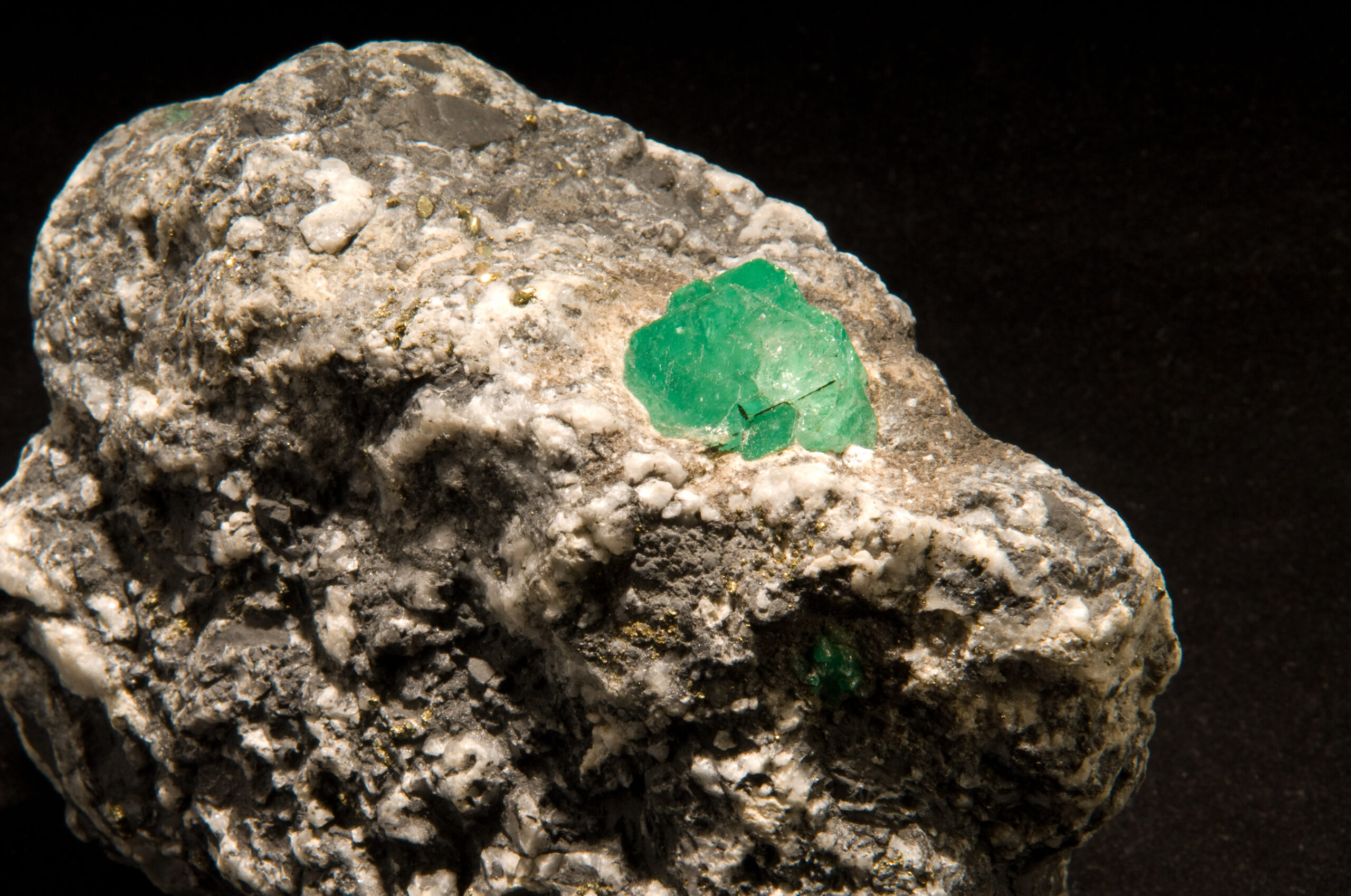
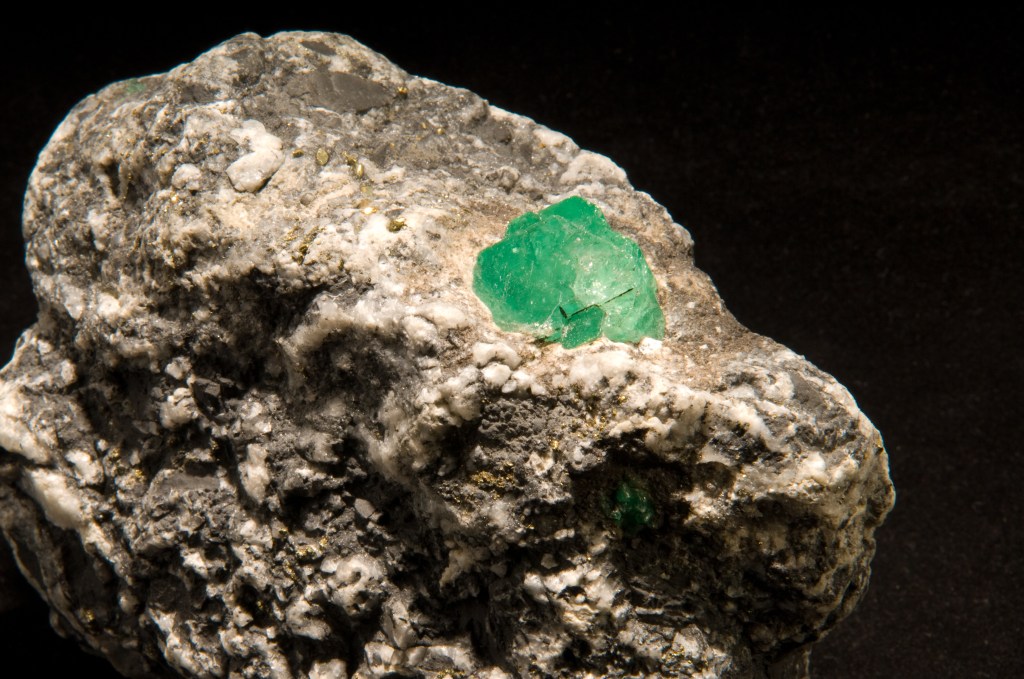
Have you ever paused to consider the connection between the elements on the periodic table and your birthstone? Since everything on Earth is made of chemical elements, the periodic table gives us a clear and organized way to understand the building blocks of nature. For people born in May, the birthstone is the emerald—a brilliant, vividly green gem that represents growth, renewal, and fertility. It’s easy to see why so many people feel such a strong attraction to this captivating stone, especially when you think about the meaning and symbolism tied to it.
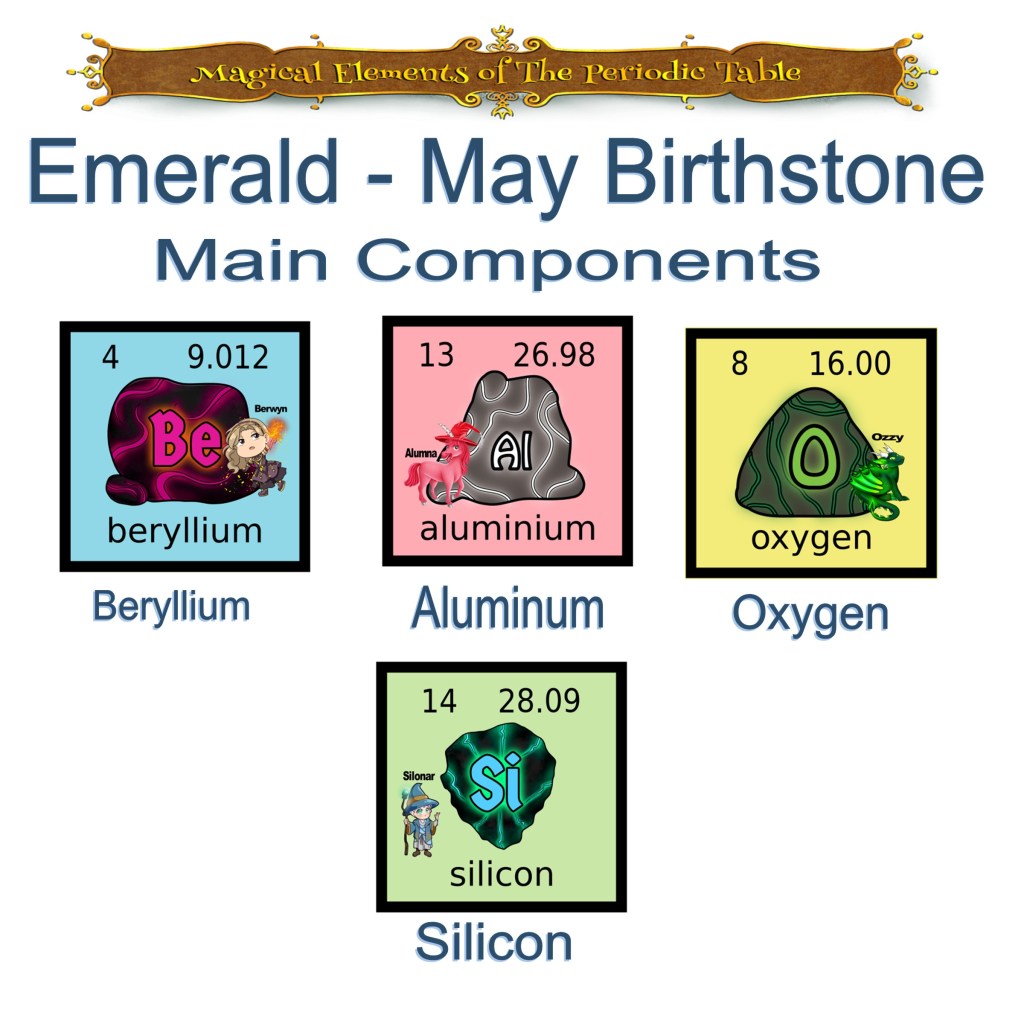
So what exactly makes an emerald an emerald? Emeralds are a special variety of mineral known as beryl. More specifically, beryl is a beryllium aluminum silicate, and its main ingredients include beryllium, aluminum, silicon, and oxygen. Each of these elements is essential in forming the unique structure and properties of emeralds. Beryllium, for example, is a rare, lightweight metal that contributes greatly to the hardness and strength of the gemstone. Thanks to its special characteristics, emeralds are able to endure over time, which makes them not only beautiful but also long-lasting.
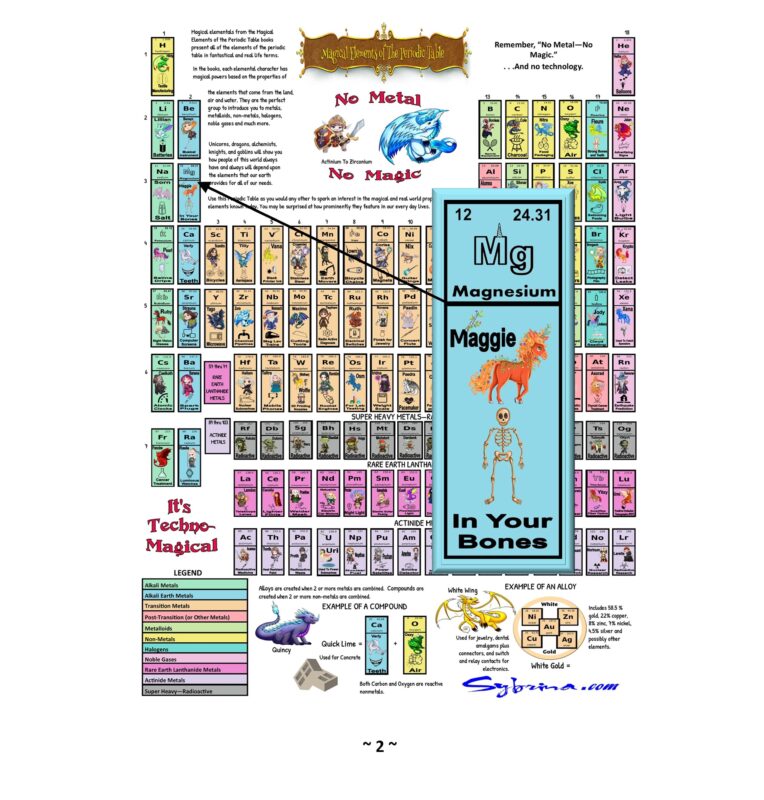
Aluminum also plays an important role because it is a key part of beryl’s crystal structure. Along with silicon and oxygen, aluminum helps form the detailed lattice that gives beryl its stability and clarity. Silicon and oxygen arrange themselves in a tetrahedral pattern that acts like the backbone of the mineral, creating the strong framework needed for crystals to grow properly. Without this structure, emeralds would not have their distinctive form or durability.
And of course, there’s the breathtaking green color that makes emeralds so recognizable and admired. That rich color comes mainly from trace amounts of another element: chromium. Chromium is well known for producing vivid colors in a variety of minerals, and in emeralds it is the primary source of that deep, signature green. In some emeralds, especially Colombian ones, vanadium may also be present. Vanadium can contribute to or enhance the green tone, giving the gemstone even more depth and complexity in appearance.
A few other elements can influence the color as well. Iron, for instance, can add faint blue or yellow undertones depending on how much is present in the crystal, subtly affecting the stone’s overall color balance. Sodium is another element involved in emerald formation, though it does not have much effect on the color itself. Instead, it helps fill gaps in the crystal structure, supporting the stone while allowing it to keep its brilliant green look.

Emeralds also form only under very specific geological conditions. They are often created in hydrothermal veins connected to hot springs, where mineral-rich fluids mix with certain types of rock under just the right temperature and pressure. Because the exact combination of elements and conditions needed for emerald formation is uncommon, emeralds are much rarer than other beryl varieties like aquamarine. These unusual environmental requirements, along with the precise elements involved, are part of what makes emeralds one of the most treasured gemstones in the world.
In short, emeralds are the result of a remarkable combination of beryllium, aluminum, silicon, oxygen, and trace elements such as chromium and vanadium, which transform ordinary beryl into a dazzling gemstone. Their vivid green color and powerful symbolism make them a perfect representation of spring, renewal, and the energy of May birthdays. Learning about the chemistry behind emeralds not only helps us appreciate their beauty even more, but also connects us to the elemental processes that shape the natural world around us.
This article is brought to you by Sybrina Durant – author of the Magical Elements of the Periodic Table series of books. Get them all plus activities, games and elemental tees here.