
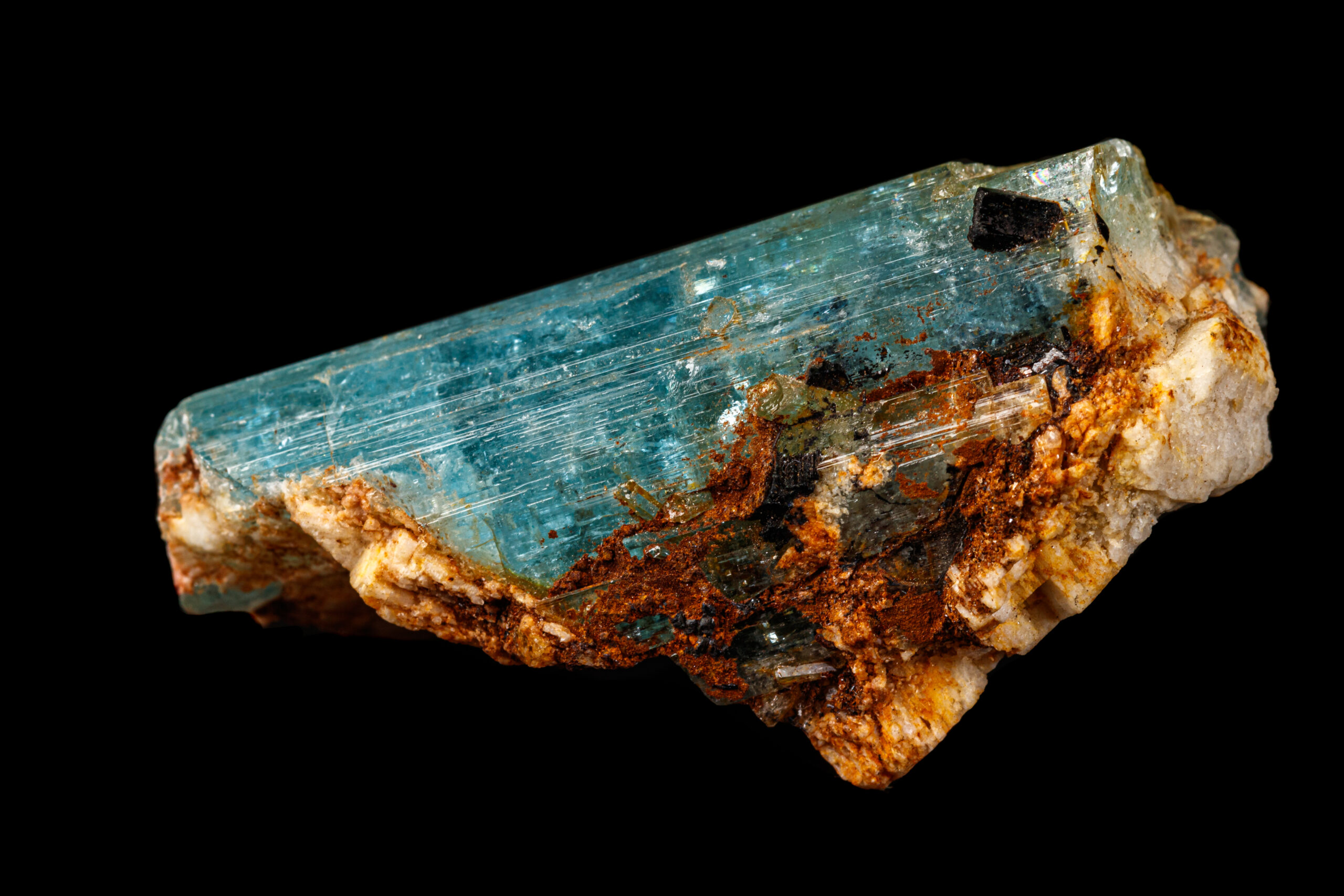
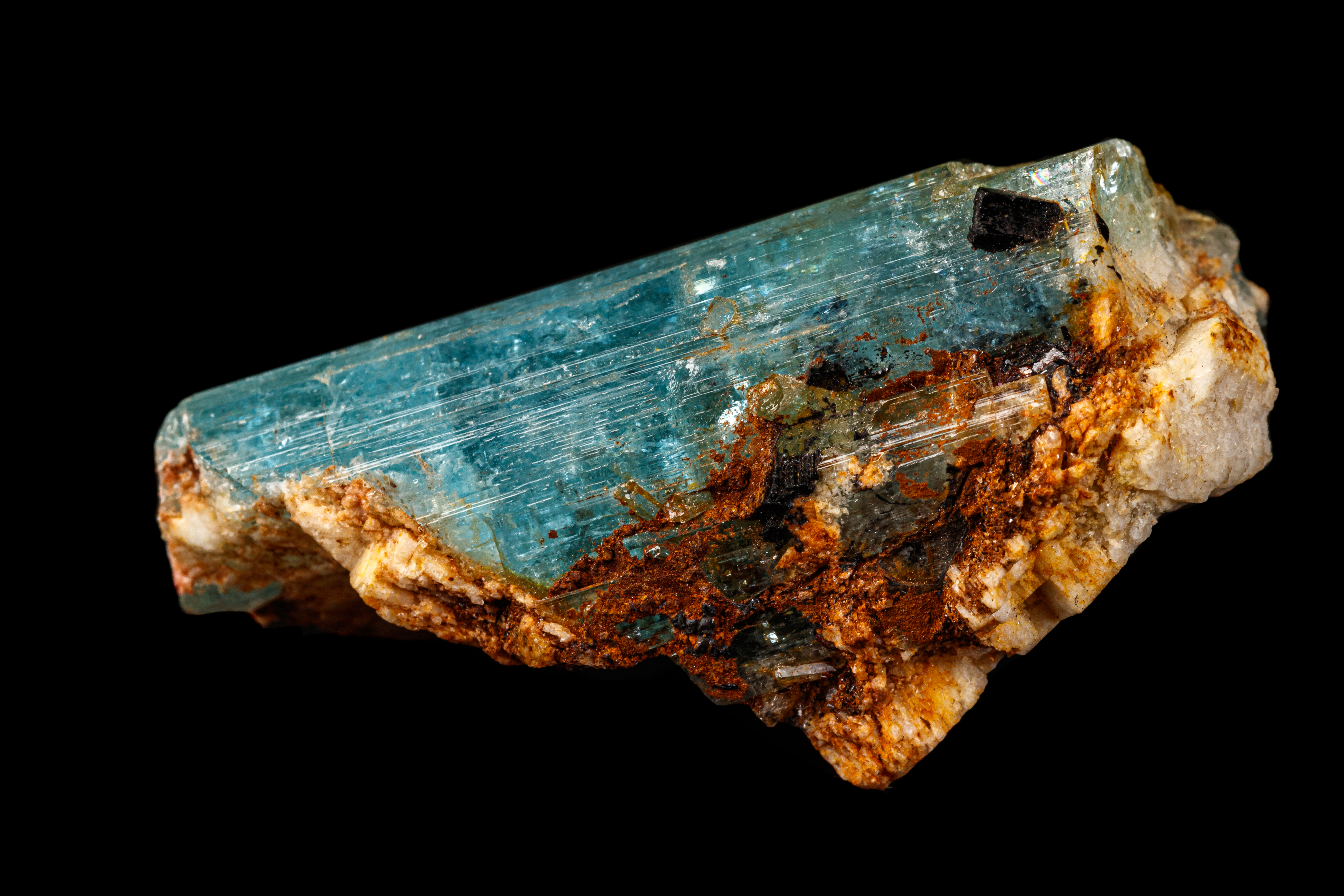
Aquamarine, the birthstone of March, is a gem that truly captivates with its breathtaking blue-green hues. This beautiful stone does more than just shine; it is steeped in rich historical context and profound symbolic meanings that add depth to its allure. Derived from the Latin terms “aqua,” meaning water, and “marina,” meaning of the sea, the name aquamarine is entirely fitting, evoking images of tranquil ocean waves glistening under the sunlight. The stone’s serene color pays homage to the deep blue waters of the world, bringing a sense of calm and tranquility that resonates with many.
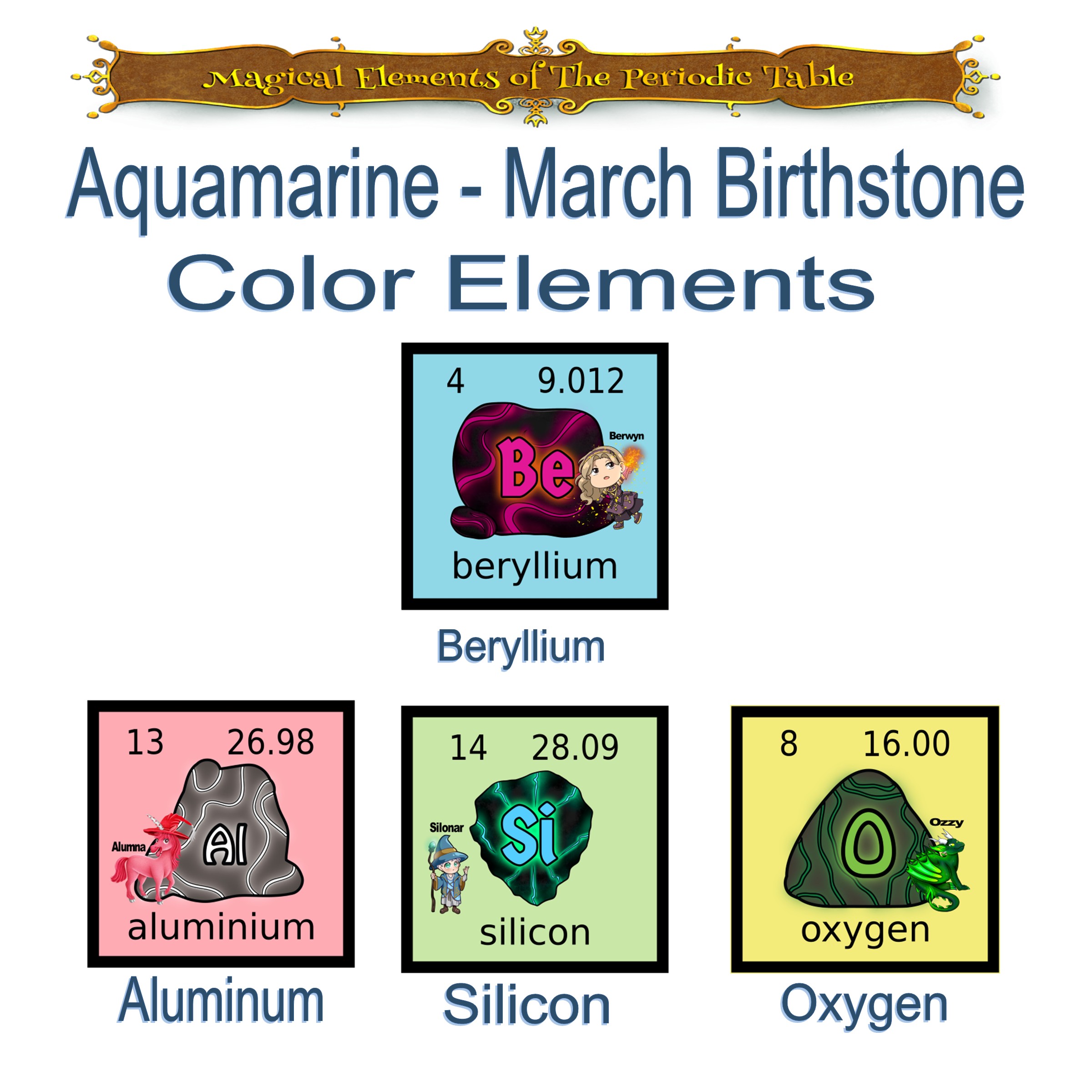
The chemistry behind aquamarine is just as fascinating as its aesthetic appeal. Belonging to the beryl family of minerals, the chemical formula for this gem is Be₃Al₂(SiO₃)₆, which consists of various elements that contribute to its unique properties. This formula shows that beryl is composed of three beryllium atoms, two aluminum atoms, and six silicate groups, creating a complex crystal structure that defines the mineral’s properties and characteristics. Different varieties of beryl, such as aquamarine, emerald, and morganite, are distinguished by their trace elements and color variations within this basic structure.
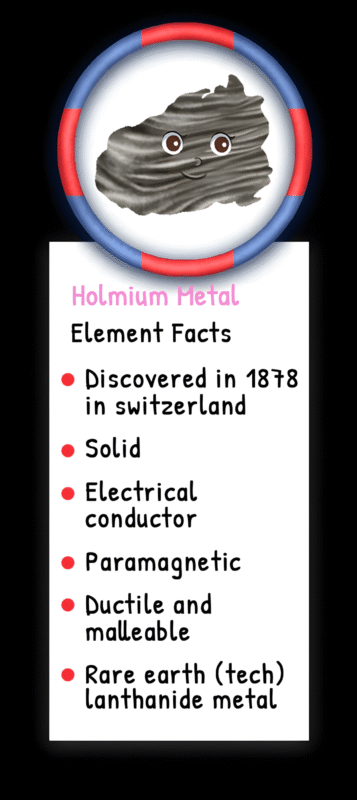
Beryllium, a critical component, plays an essential role in forming the very structure of the gemstone. It is this element that gives aquamarine its exceptional hardness and durability, making it ideal for both jewelry and industrial applications.
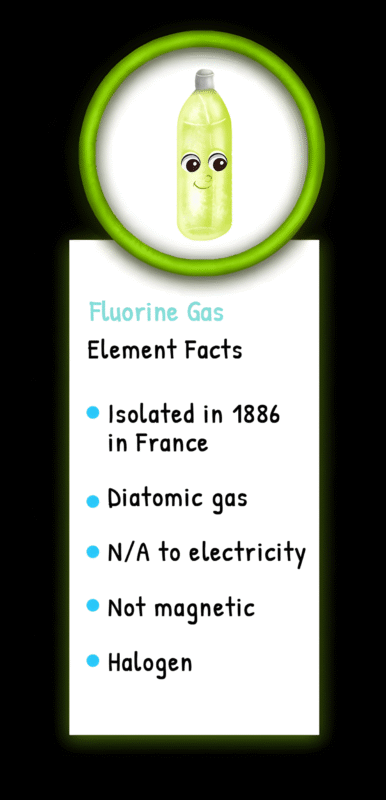
Aluminum, another pivotal element, stabilizes the crystal lattice, ensuring that the crystal remains robust while enhancing its clarity. The presence of silicon plays a significant role as well, forming the intricate silicate framework that defines the beryl family. Oxygen combines with silicon and other elements to create the overall beryl structure, which perfectly houses aquamarine’s enchanting hues.
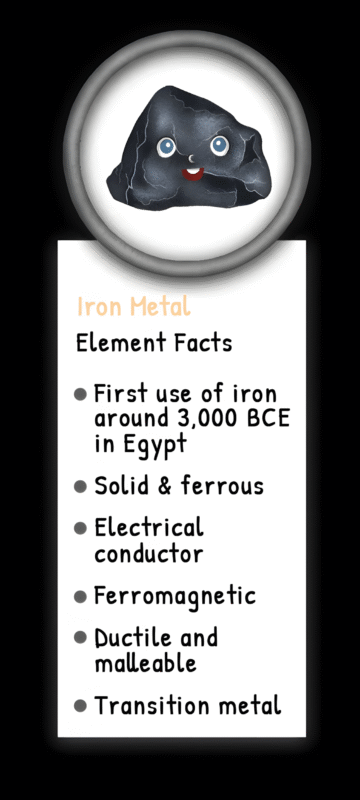
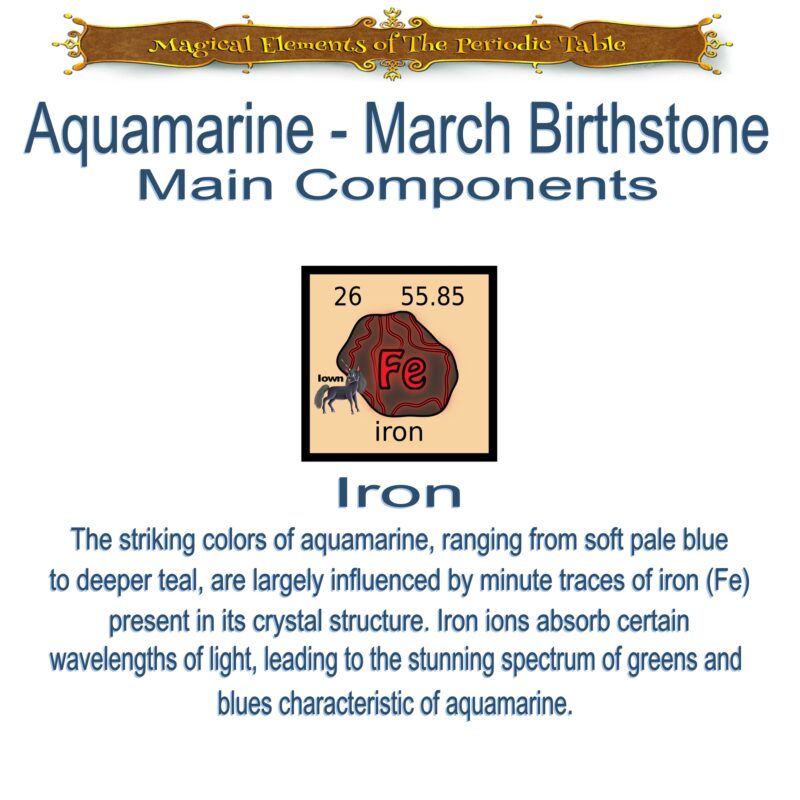
The striking colors of aquamarine, ranging from soft pale blue to deeper teal, are largely influenced by minute traces of iron (Fe) present in its crystal structure. Iron ions absorb certain wavelengths of light, leading to the stunning spectrum of greens and blues characteristic of aquamarine. The specific oxidation state and concentration of iron play crucial roles in determining the color variations within the gemstone.
Soft Pale Blue: This coloration is primarily due to iron in a lower oxidation state and lower concentrations, allowing delicate, pale blue hues to prevail. The absence of other color-altering elements further enhances these softer tones.
Deep Teal: The deeper teal shades are also attributed to the presence of iron, where variations in its concentration and oxidation state result in richer blue-green appearances.
Overall, the combination of iron content and environmental conditions during formation contributes to the diversity and uniqueness of each aquamarine gem, enchanting gem enthusiasts and collectors alike.
Aquamarine was officially adopted as the birthstone for the month of March in 1912, a designation made by the American National Retail Jewelers Association, which is now known as the American Gem Society. This decision was influenced heavily by the stone’s calming aesthetics and its connection to the refreshing qualities of water, making it particularly appropriate for a month celebrated for the arrival of spring. As nature begins to awaken from its winter slumber, aquamarine symbolizes renewal, vitality, and clarity—a perfect match for the season.
Beyond its visual splendor, aquamarine has gained admiration for its perceived metaphysical properties. For many, this gem resonates with a soothing energy that brings comfort and reduces stress. People often turn to aquamarine during times of emotional hardship, believing that it can help create a sense of peace and balance. This calming quality is something many seek in today’s fast-paced world filled with anxiety.
In addition to promoting inner peace, aquamarine is said to enhance communication and self-expression. People who struggle with articulating their thoughts and feelings may find themselves drawn to this stone as it is believed to facilitate open and honest dialogue. As a result, aquamarine is often recommended for individuals who experience communication barriers, enabling them to express their true selves without fear or hesitation. The gemstone’s emotional healing properties extend further, offering support during challenging times and helping to ease feelings of anxiety and unrest.
Some enthusiasts carry a belief that aquamarine also holds physical benefits. Folklore suggests that it has positive attributes associated with the throat, thyroid, and respiratory systems, making it a popular choice for those interested in holistic wellness. While these claims may not be scientifically substantiated, they contribute to aquamarine’s appeal as a multifaceted gem renowned not just for beauty, but for its potential to positively impact various aspects of life.
The historical significance of aquamarine is as fascinating as its physical properties. For centuries, sailors revered this stone, often carrying aquamarine talismans on their journeys to safeguard them during voyages across the unpredictable seas. They believed that possessing such a stone would guarantee safe passage and protection from the dangers of the deep waters. Additionally, aquamarine was linked to various maritime deities, particularly those of the sea, and was thought to bring good fortune and serenity in relationships.
In cultures around the world, aquamarine has been intertwined with themes of youth, hope, and fidelity. It has often served as a symbol to represent the joy and happiness of married couples, making it a popular gift for wedding anniversaries and other significant milestones in relationships. Its significance within romantic contexts underscores not just the beauty of the stone, but also its deep ties to love and loyalty.
Moreover, aquamarine’s association with spring renewal makes it particularly poignant during March, a time when life begins anew. The stone’s refreshing color resonates with the blooming flowers and revitalized landscapes of spring, symbolizing growth, clarity, and harmonious relationships. Considering that aquamarine embodies such essential themes of renewal and emotional balance, it stands out as a perfect birthstone for those born in March.
This article is brought to you by Sybrina Durant – author of the Magical Elements of the Periodic Table series of books. Get them all plus activities, games and elemental tees here.