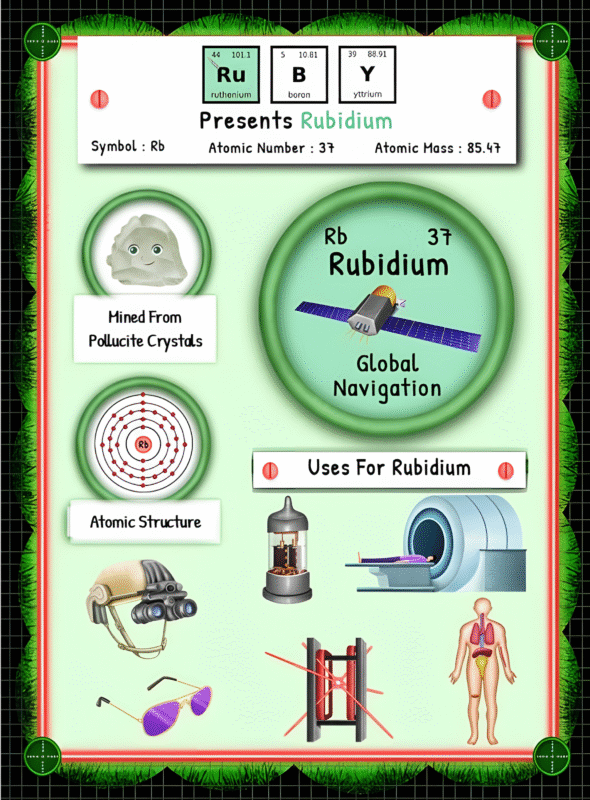
Then and Now – The Periodic Table Element – Rubidium

Then and Now – The Periodic Table Element – Rubidium. Rubidium, a silvery-white alkali metal, made its debut in the scientific world in the early 1860s. It quickly gained attention for its unique properties and potential applications in various fields. While it held promise in its early years, the use of rubidium gradually declined due to several limitations and the emergence of more suitable alternatives. In this article, we will explore the first uses of rubidium and delve into the reasons behind its eventual obsolescence. Read more.
Continue reading

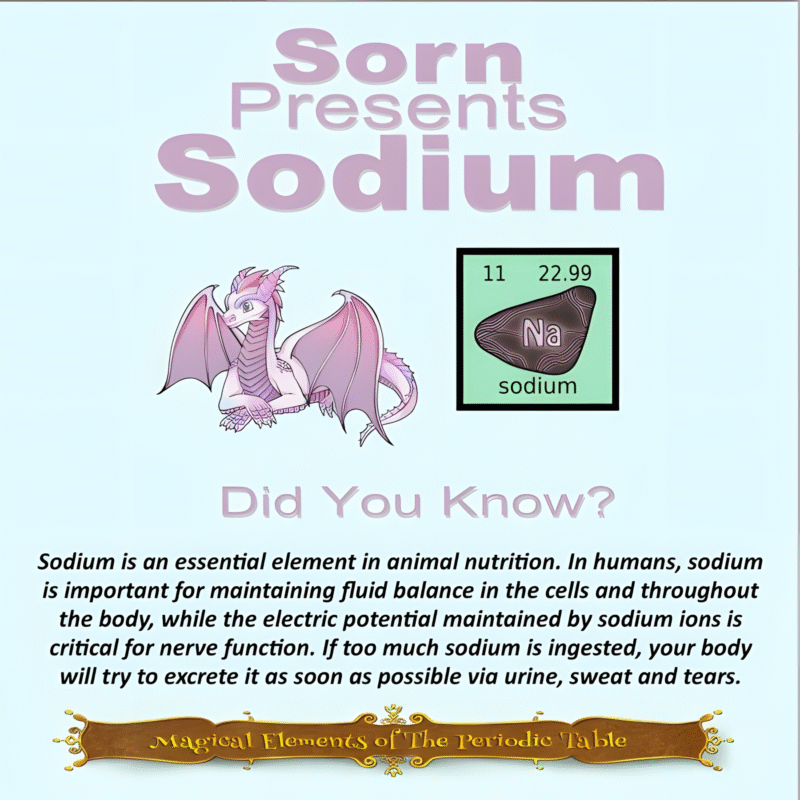
How Do We Get It? – Sodium

How Do We Get It? – Sodium.The Origin of Sodium: Occurrence, Extraction, Processing, and Environmental Impact.Sodium is an essential element in our daily lives, with various applications in industries ranging from food to medicine. Understanding the origin of sodium, its occurrence in nature, extraction methods, commercial processing, and environmental impact is crucial. This article aims to shed light on these aspects of sodium.

Continue reading

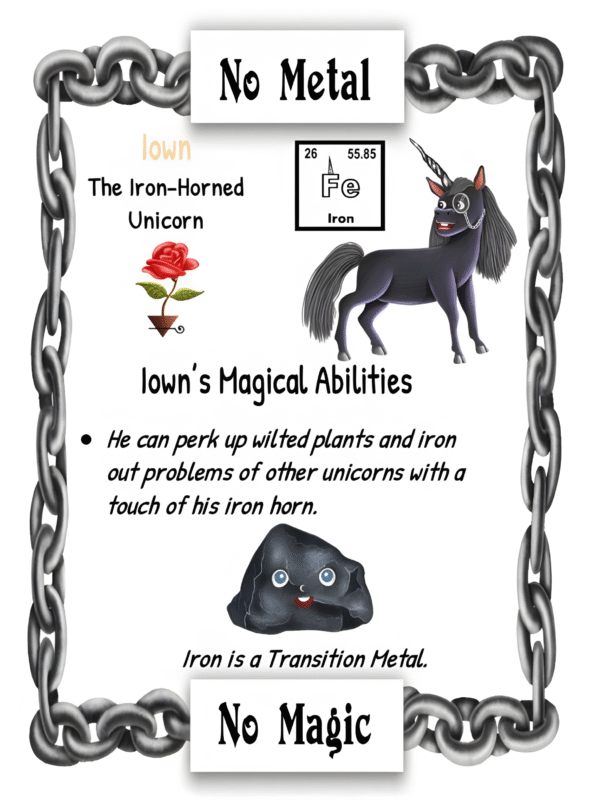
First Uses of the Periodic Table Element -Iron

First Uses of the Periodic Table Element -Iron. From Ancient Advancement to Obsolescence: The Early Uses of Iron and Its Evolution. Throughout human history, the discovery and utilization of new materials have played a vital role in shaping our civilization. One such material that revolutionized multiple industries in its early days was iron. The first indications of iron’s use date back to ancient civilizations, bringing newfound strength and durability to tools, weapons, and structures. However, as technological advancements flourished over time, iron gradually became obsolete in certain areas. This article explores the initial uses of iron and the reasons why it is no longer employed for those purposes today.

Continue reading

First Uses of the Periodic Table Element -Tin

First Uses of the Periodic Table Element -Tin. The Evolution of Tin: From Ancient Uses to Modern Alternatives. Tin, a versatile metal with a long history of human use, has served myriad purposes throughout the ages. From ancient civilizations to the modern world, this resilient and malleable material has been utilized in various applications. However, as time progressed and new discoveries were made, alternative materials were found to be more suitable for certain purposes. In this article, we explore the first uses of tin and the reasons why it is no longer extensively used for those purposes.

Continue reading

First Uses of the Periodic Table Element -Potassium

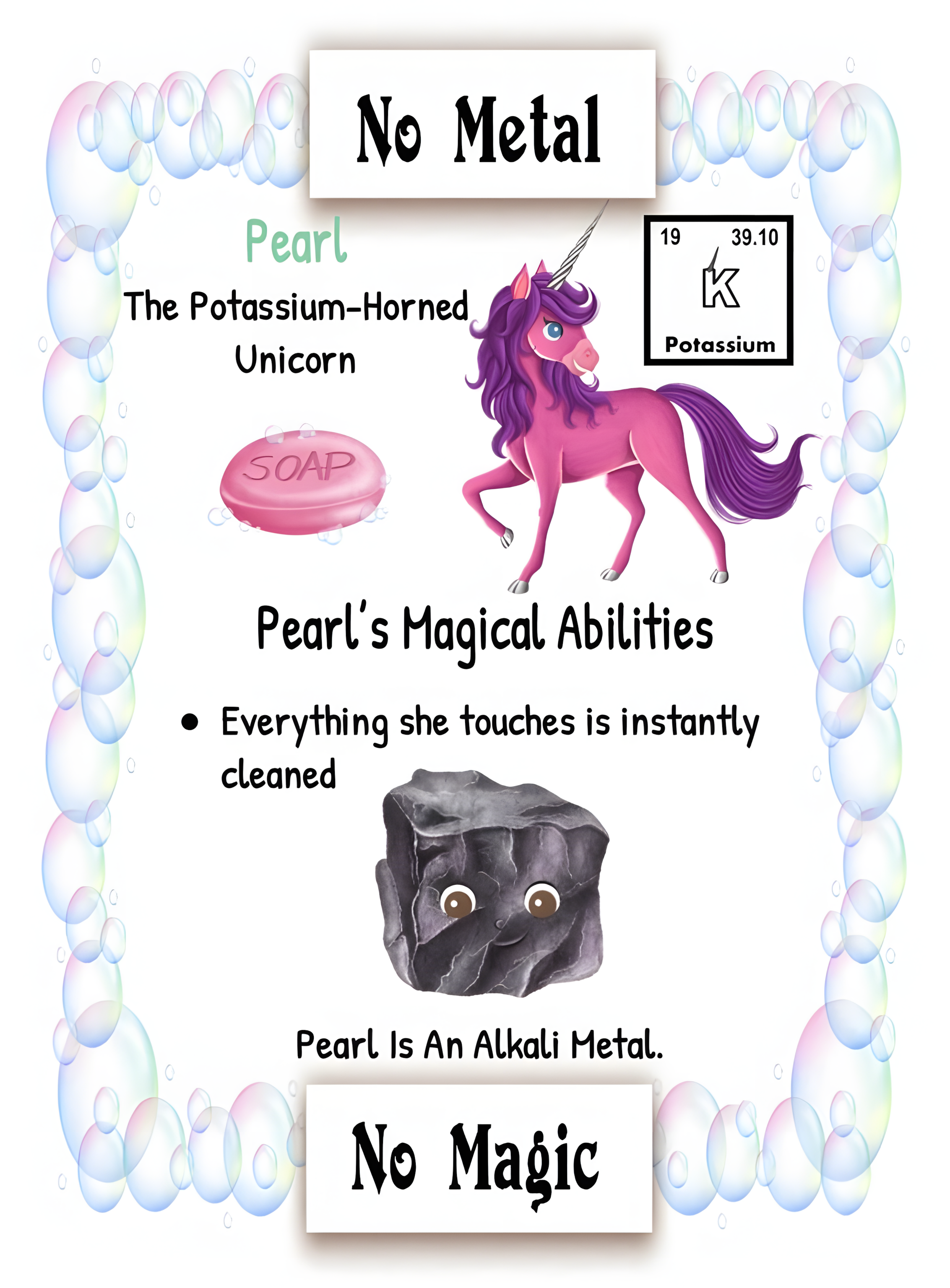
First Uses of the Periodic Table Element -Potassium.The First Uses of Potassium and its Obsolete Role in Modern Applications. Potassium, with its atomic symbol K and atomic number 19, is a highly reactive element found abundantly in nature. Throughout history, it has played a pivotal role in various human activities, including industrial processes, healthcare, and even warfare. However, due to its limitations and the emergence of alternative substances, potassium’s early applications have largely become obsolete. This article explores the first uses of potassium, shedding light on why it is no longer favored for those purposes.

Continue reading

First Uses of the Periodic Table Element -Zinc

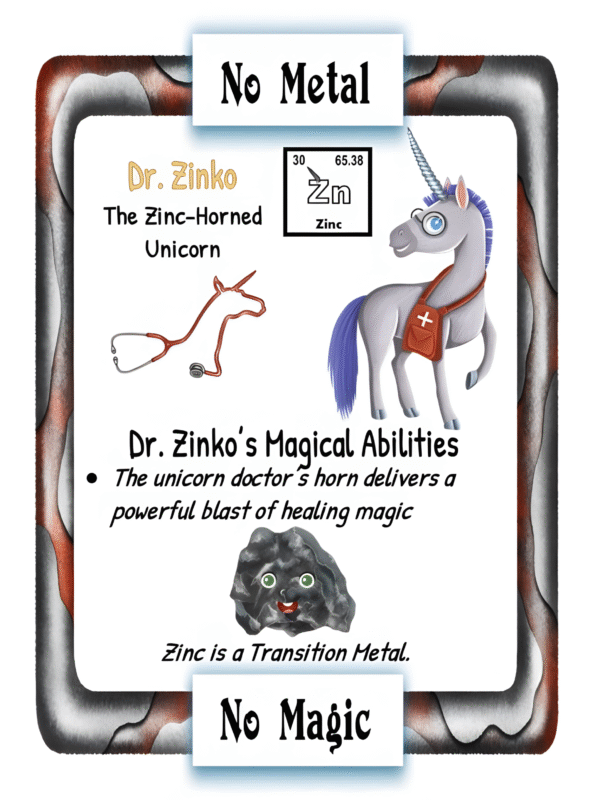
First Uses of the Periodic Table Element -Zinc. The Evolution of Zinc: From Ancient Uses to Modern Alternatives. Zinc, a versatile element with a bluish-white appearance, has a fascinating history in human civilization. Its unique properties made it crucial for various applications throughout the ages. From ancient times to the industrial era, zinc played a significant role in countless spheres. However, due to advances in technology and the discovery of more suitable alternatives, zinc’s original purposes have gradually fallen into disuse.

Continue reading

First Uses of the Periodic Table Element -Ytterbium

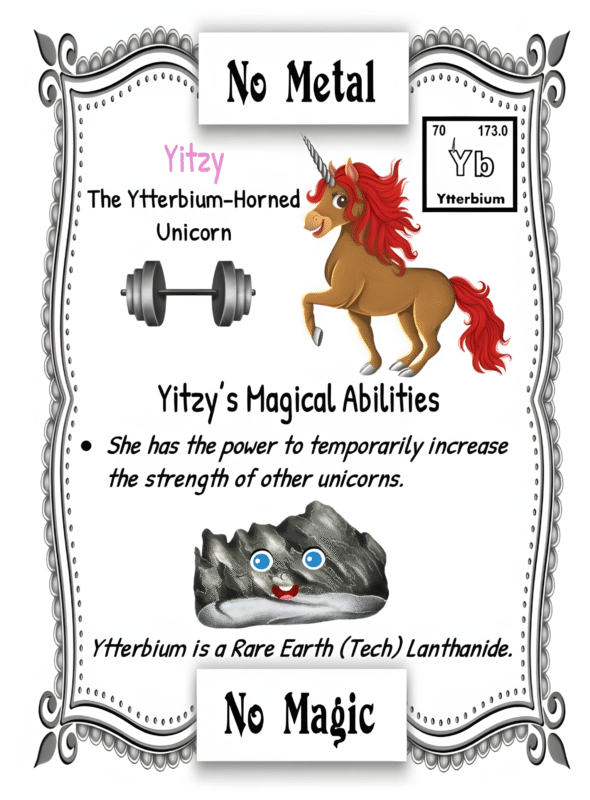
First Uses of the Periodic Table Element -Ytterbium.The Evolution of Ytterbium: Unveiling Its Early Uses and Modern Applications.Ytterbium, a rare earth metal belonging to the lanthanide series, has a fascinating history laden with valuable applications. Discovered in 1878 by Swiss chemist Jean Charles Galissard de Marignac, ytterbium’s unique properties initially sparked interest and led to various early uses. However, as technology and scientific understanding progressed, its limited availability, cost, and more suitable alternatives led to a decline in its use for these purposes.

Continue reading

First Uses of the Periodic Table Element -Xenon

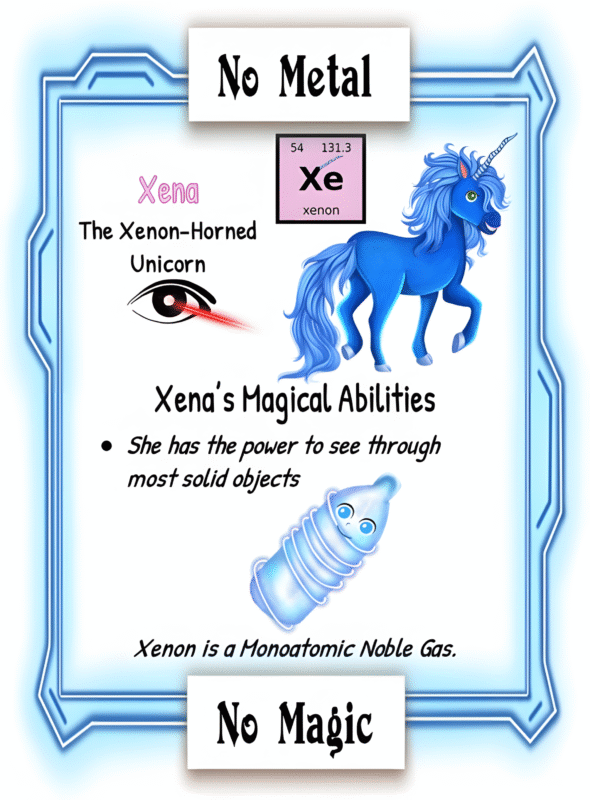
First Uses of the Periodic Table Element -Xenon. The Early Days of Xenon: Pioneering Uses and Displacement. When first discovered in 1898 by Sir William Ramsay and Morris Travers, xenon provoked great scientific curiosity due to its unusual properties. For many years, this noble gas found applications in a variety of fields due to its unique characteristics. However, over time, advancements in technology and the development of more efficient alternatives have rendered xenon less suitable for these initial applications. In this article, we explore the remarkable early uses of xenon and why it has gradually fallen out of favor.

Continue reading

First Uses of the Periodic Table Element -Vanadium

First Uses of the Periodic Table Element -Vanadium. The Fascinating Early Uses of Vanadium and Why It Faded Into Oblivion. Vanadium, a transition metal discovered by Spanish scientist Andrés Manuel del Río in 1801, was once heralded as a promising material with myriad uses. In the early years, it found application in various industries, thanks to its remarkable properties. However, over time, other materials emerged as more cost-effective alternatives, ultimately leading to a decline in the use of vanadium for those purposes. This article explores the intriguing early uses of vanadium and the reasons behind its eventual abandonment for those applications.

Continue reading

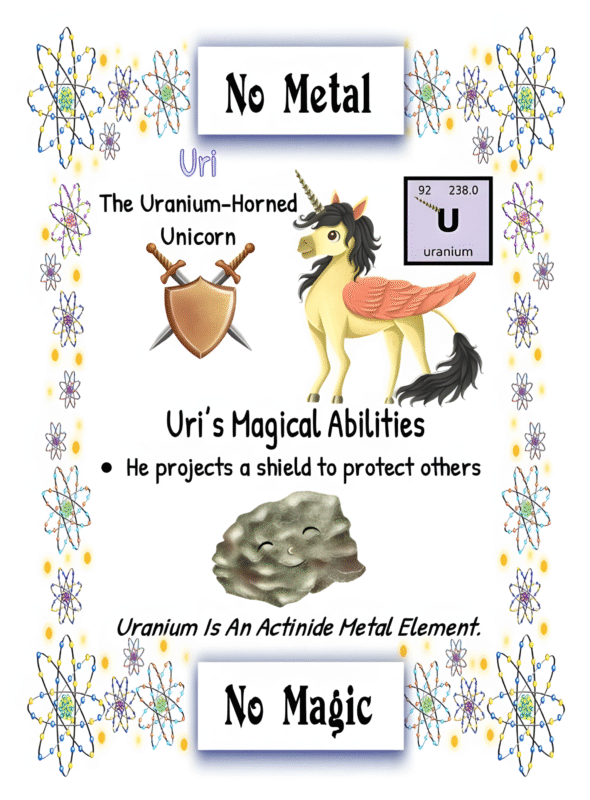
First Uses of the Periodic Table Element -Uranium

First Uses of the Periodic Table Element -Uranium. A Glimpse into the First Uses of Uranium and Why It is No Longer Used for That Purpose. Uranium, a naturally occurring radioactive element, has not always been associated only with nuclear power and weapons. In the early 20th century, uranium’s unique properties and impressive energy potential led to its exploration and use in various applications. However, as we gained a deeper understanding of its long-term effects and the alarming dangers associated with radioactivity, the use of uranium for non-nuclear purposes gradually declined. This article aims to shed light on the first uses of uranium and the reasons behind its diminishing usage.

Continue reading