Yitzy The Ytterbium Horn Unicorn’s Story

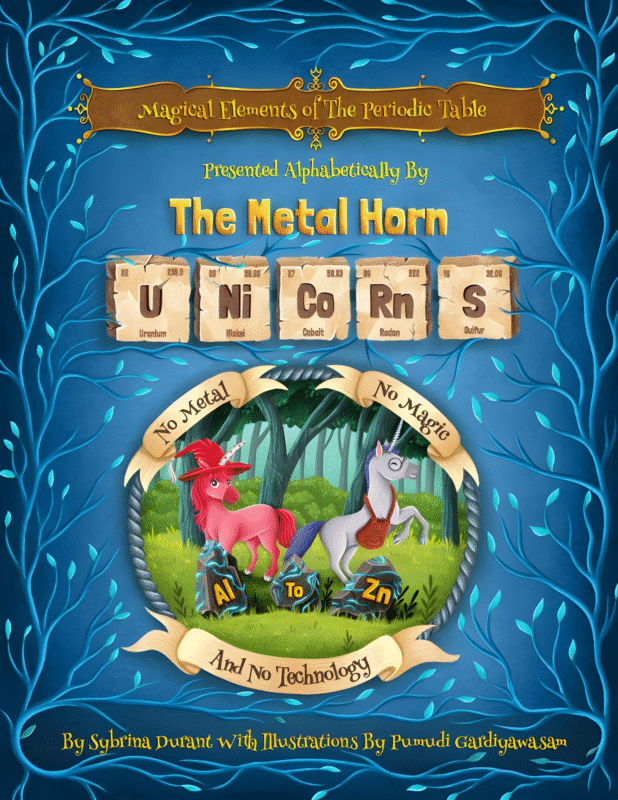
Yitzy The Ytterbium Horn Unicorn’s Story. Yitzy the Ytterbium-Horned Unicorn is not your ordinary mythical creature, she belongs to an exclusive and enchanting tribe known as the magical metal horn tribe from the extraordinary land of Unimaise. With her vibrant red mane and a horn made of pure ytterbium, Yitzy exudes confidence wherever she goes. But what truly sets her apart is her remarkable powers that can influence and shape the world around her. Read more.

Continue reading

Then and Now – The Periodic Table Element – Tin

Then and Now – The Periodic Table Element – Tin. Tin, a versatile metal with a long history of human use, has served myriad purposes throughout the ages. From ancient civilizations to the modern world, this resilient and malleable material has been utilized in various applications. However, as time progressed and new discoveries were made, alternative materials were found to be more suitable for certain purposes. In this article, we explore the first uses of tin and the reasons why it is no longer extensively used for those purposes. Read more.

Continue reading

Then and Now – The Periodic Table Element – Iron

Then and Now – The Periodic Table Element – Iron. Throughout human history, the discovery and utilization of new materials have played a vital role in shaping our civilization. One such material that revolutionized multiple industries in its early days was iron. The first indications of iron’s use date back to ancient civilizations, bringing newfound strength and durability to tools, weapons, and structures. However, as technological advancements flourished over time, iron gradually became obsolete in certain areas. This article explores the initial uses of iron and the reasons why it is no longer employed for those purposes today. Read more.

Continue reading

Then and Now – The Periodic Table Element – Uranium

Then and Now – The Periodic Table Element – Uranium. Uranium, a naturally occurring radioactive element, has not always been associated only with nuclear power and weapons. In the early 20th century, uranium’s unique properties and impressive energy potential led to its exploration and use in various applications. However, as we gained a deeper understanding of its long-term effects and the alarming dangers associated with radioactivity, the use of uranium for non-nuclear purposes gradually declined. This article aims to shed light on the first uses of uranium and the reasons behind its diminishing usage. Read more.

Continue reading

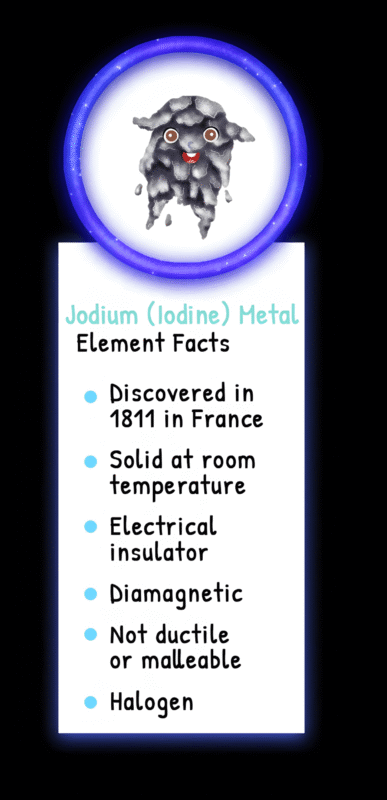
Then and Now – The Periodic Table Element – Iodine

Then and Now – The Periodic Table Element – Iodine. Iodine, a chemical element indispensable for human health, has a long history of use dating back centuries. From its discovery to its early applications as an antiseptic and wound-healing agent, iodine played a significant role in medical practices worldwide. However, as an understanding of iodine’s potential drawbacks and advancements in medical technology emerged, alternative treatments replaced its traditional uses. This article explores the first uses of iodine and the reasons behind its decline in popularity for certain purposes. Read more.

Continue reading

Then and Now – The Periodic Table Element – Vanadium

Then and Now – The Periodic Table Element – Vanadium. Vanadium, a transition metal discovered by Spanish scientist Andrés Manuel del Río in 1801, was once heralded as a promising material with myriad uses. In the early years, it found application in various industries, thanks to its remarkable properties. However, over time, other materials emerged as more cost-effective alternatives, ultimately leading to a decline in the use of vanadium for those purposes. This article explores the intriguing early uses of vanadium and the reasons behind its eventual abandonment for those applications. Read more.

Continue reading

Amethyst – Birthstone for February – Where Do They Come From

Amethyst – Birthstone for February – Where Do They Come From – Amethyst, the captivating purple gemstone, has long been celebrated as February’s birthstone, embodying symbols of peace, clarity, and love. At its core, amethyst belongs to the quartz family; specifically, it is a violet variety of silicon dioxide (SiOâ‚‚). This means it shares a fundamental chemical structure with clear quartz, yet it distinguishes itself through the influence of trace elements and environmental conditions during its formation. Read more.

Continue reading

How Do We Get It? – Francium

How Do We Get It? – Francium.The Origin of Francium: Is it Found in Nature as a Pure Element?Francium, a highly unstable and radioactive element, is part of the alkali metal group on the periodic table. Its atomic number is 87, and it is represented by the symbol Fr. Francium is extremely rare, and its existence was confirmed in 1939 by Marguerite Perey, a French physicist. However, due to its unstable nature and short half-life, francium does not naturally occur as a pure element in substantial quantities.

Continue reading

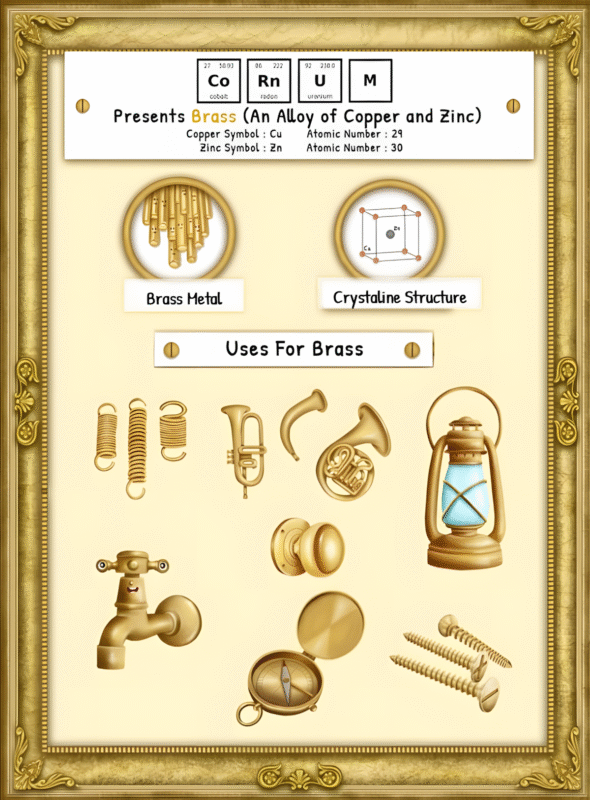
How Do We Get It? – Brass

How Do We Get It? – Brass.Title: The Origin of Brass: From Extraction to Commercial Production. Brass, a popular and versatile metal known for its gold-like appearance, has played a significant role in human civilization for centuries. In this article, we will explore the origins of this complex alloy, uncovering its natural occurrence, extraction methods, commercial processing, and its impact on the environment, along with the leading mining and production countries.

Continue reading