
Unearthing the Legacy of Erbium: Its First Uses and Evolving Applications

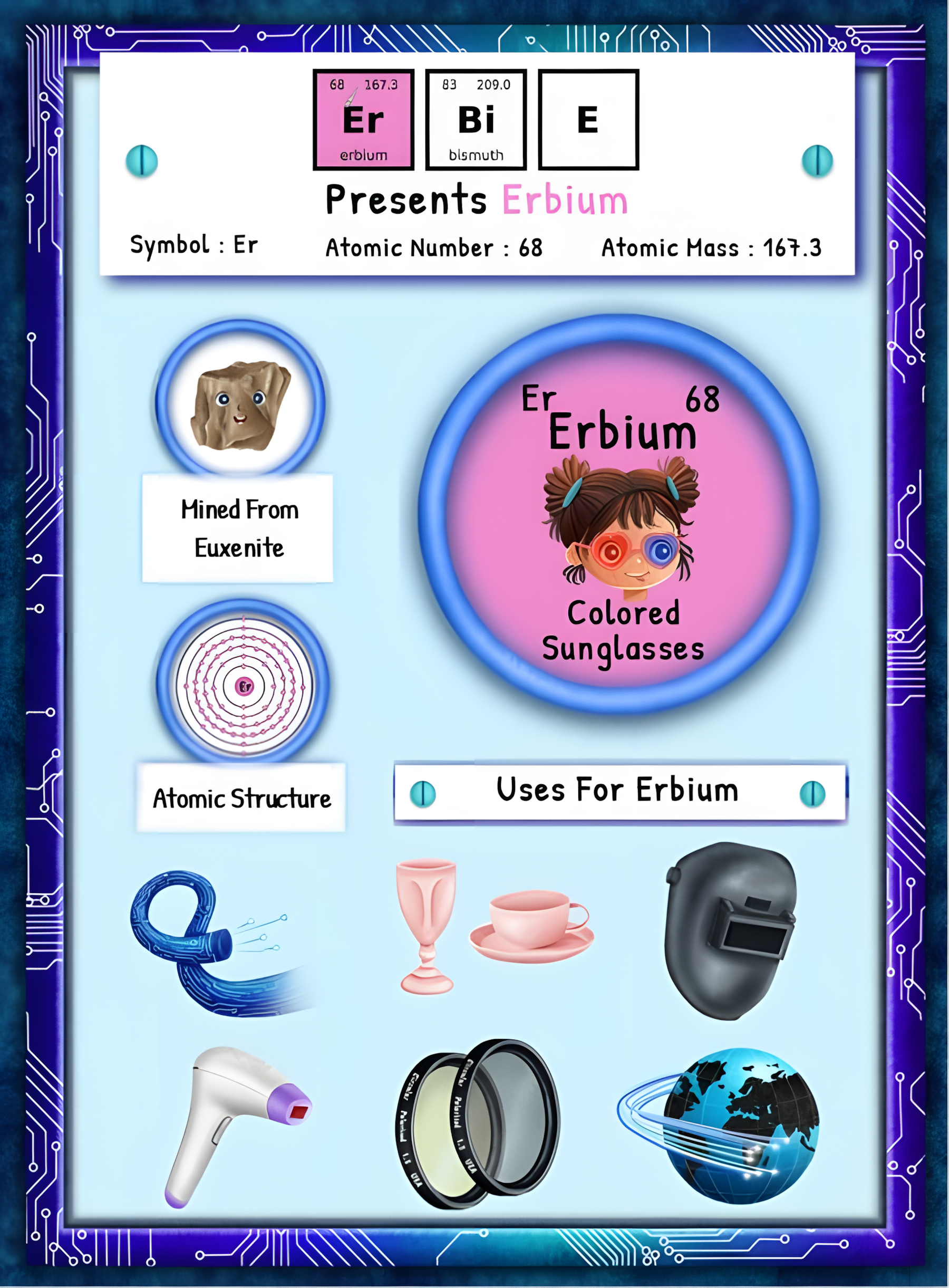
Erbium, symbolized as Er in the periodic table, is a rare earth element with a rich history. Discovered in the 19th century, erbium has had various applications throughout the years, including its initial uses in X-ray technology, as well as in the coloring of glass and ceramics. However, over time, advancements in science and technology have led to the development of better alternatives, rendering erbium obsolete for its previous purposes. In this article, we explore the first uses of erbium and the reasons behind its diminishing relevance.
The Discovery of Erbium:
Erbium was first isolated by the Swedish chemist Carl Gustaf Mosander in 1843 while studying the mineral yttria. As Mosander separated yttria into its constituent elements, he identified erbium in the process. He named it after the small town of Ytterby in Sweden, which was known for yielding numerous rare earth elements. Within a few decades, erbium’s unique properties started to capture scientific interest.
Initial Uses of Erbium:
- X-Ray Technology: One of the earliest applications of erbium was in X-ray technology. Scientists recognized erbium’s capacity to emit X-ray fluorescence when exposed to high-energy radiation sources. This quality made it valuable for spectroscopy and the analysis of materials.
- Glass and Ceramics Coloring: Erbium’s skill in producing vibrant colors was exploited in glass and ceramic industries. By incorporating erbium into the glass matrix, manufacturers could create distinct shades, ranging from pink to purple. This made erbium particularly popular for decorative glassware and ornamental ceramics.

Reasons for Erbium’s Decline:
Over time, scientific advancements and the discovery of alternative elements with superior characteristics led to a decline in erbium’s usage. Here are some key factors:
- Health Risks: The hazardous nature of erbium, coupled with the introduction of safer alternatives, contributed to its diminished use. Erbium itself does not pose significant health risks, but its compounds are toxic. Workers handling erbium-containing materials faced respiratory, skin, and eye irritation risks, making it less desirable for industrial applications as safety regulations tightened.
- Emergence of Superior Alternatives: As other rare earth elements were discovered and their properties explored, several proved to outperform erbium in various applications. For instance, ytterbium, another rare earth element, emerged as a more effective dopant in fiber optic amplifiers, replacing erbium. Similarly, alternative elements like neodymium were found to offer better optical properties for laser technologies.
- Cost and Availability: Compared to other rare earth elements, erbium extraction and purification processes were complex and expensive. The scarcity of high-quality erbium deposits further increased its price, making it less practical and economically viable for many applications.
Modern Applications of Erbium:
While erbium’s decline in its original uses is evident, this rare earth element has found new applications in recent years, particularly in the field of technology. Erbium-doped fiber amplifiers (EDFAs) are widely used in telecommunications to amplify optical signals in long-haul fiber optic networks. Additionally, erbium has shown potential in photovoltaic cell development and as a catalyst for organic synthesis reactions.
From its role in early X-ray technology to its use in vibrant glass coloring, erbium has a fascinating history of applications. However, evolving scientific understanding, coupled with safety concerns and the emergence of superior alternatives, led to a decline in erbium’s use in its initial purposes. Despite this decline, erbium continues to find new applications, showcasing its adaptability and importance in modern technologies.
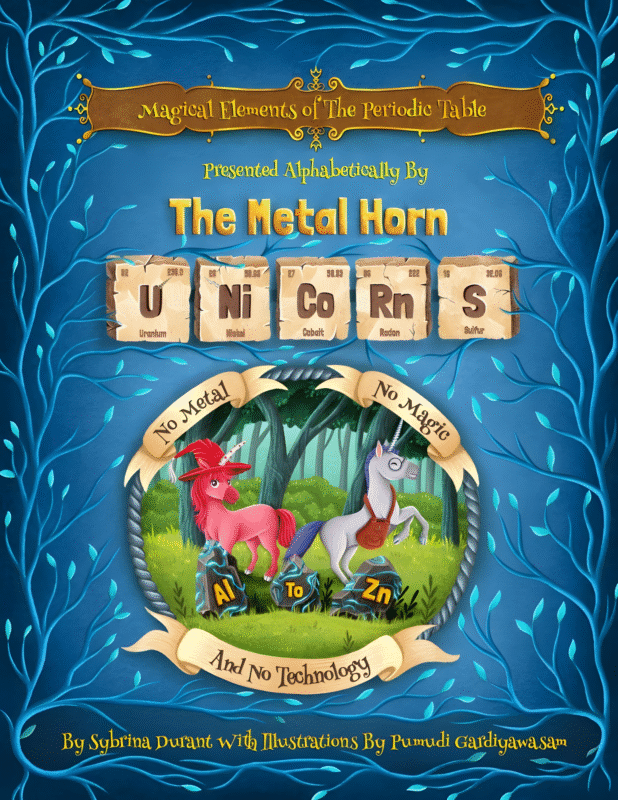
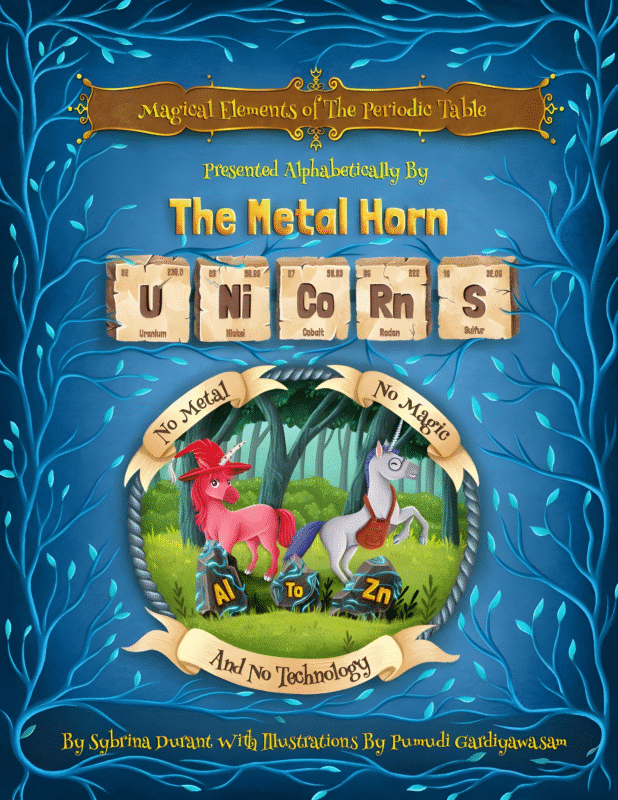
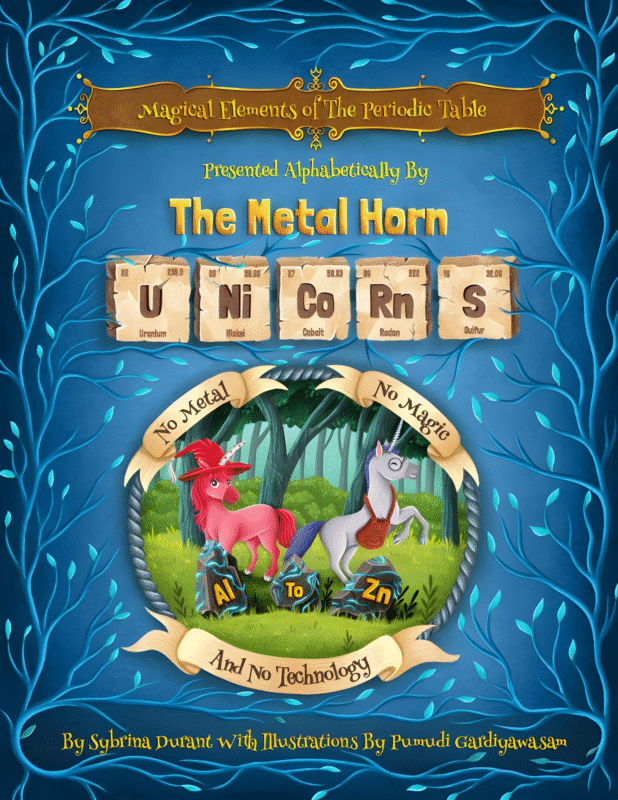
This article is brought to you by Sybrina Durant, the author of the middle grade picture book, Magical Elements of the Periodic Table Presented Alphabetically By The Metal Horn Unicorns. Learn More. In that book Erbium is presented by the unicorn, Erbie. Read Erbie’s Story.

Sybrina Publishing Offers Fun Activities Based On The Book
Magical Elements of the Periodic Table Presented Alphabetically By The Metal Horn Unicorns
Browse Sybrina-Publishing on TPT or Classful or The Unicorn Periodic Table Elements Store
Inter-Active Unicorn-Themed Periodic Table from Magical Elements of the Periodic Table Presented Alphabetically by The Metal Horn Unicorns
Click here to use This Inter-Active Viewer To Learn More About The Elements Each Unicorn Represents On This Periodic Table.

Want To Hear The No Metal No Magic Song?
100 Unicorn Tee Shirt Designs – Browse To Pick Your Favorite

They are available in short sleeve tees, long sleeve tees, tank tops, sweat shirts for all ages.