
The Luminary Legacy of Gold: A Historical Chronicle of Its Early Uses and Evolving Significance

Amidst the vast spectrum of precious metals, one name has consistently gleamed throughout history – gold. Throughout ancient civilizations, gold held a place of unmatched exaltation, not only as a symbol of wealth and power but through its diverse applications in various spheres of human endeavor. In this article, we delve into the first uses of gold and explore the reasons why it is no longer extensively employed for those purposes.
- Adornment and Ornamentation:
The earliest known use of gold dates back to over 6,000 years ago when it was primarily employed for adornment and ornamentation. From ancient Mesopotamia to Egypt and the Indus Valley Civilization, gold jewelry symbolized status, prestige, and divine representation. Intricately crafted necklaces, bracelets, rings, and headdresses were seen as an unequivocal mark of beauty and prosperity. - Currency and Trade:
Gold’s malleability, durability, and rarity made it ideal for use as currency. Around 2,500 BCE, the Lydians minted the first gold coins to enhance trade and economic transactions. The Greeks and Romans embraced gold currency and established it as a benchmark for measuring wealth. As civilizations evolved, gold coins became vital instruments in shaping economies, until fiat currencies gradually replaced gold as a medium of exchange. - Ceremonial and Ritualistic Roles:
Gold’s shimmering luster captured the imagination of ancient religious and spiritual practices. It was prominently used in the construction of sacred temples, altars, statues of deities, and ritualistic objects across various cultures. Gold’s ethereal presence embodied the divine and was believed to facilitate communication between mortals and gods. - Art and Architecture:
The Golden Age of ancient Greece witnessed the prolific use of gold in art and architecture. Gold leaf, an ultra-thin layer of gold, was skillfully applied to adorn statues, murals, and buildings with an unparalleled radiance. Sparkling golden accents symbolized opulence, grandeur, and the dedication of societies to their gods or rulers. - Medical Applications:
In ancient civilizations, gold was also believed to possess medicinal properties. It was prescribed to treat various ailments, with gold-infused elixirs being concocted to heal both the physical and spiritual aspects of an individual. While such beliefs have predominantly faded, ongoing research investigates potential applications of gold nanoparticles in medical imaging and targeted drug delivery systems, displaying the metal’s modern rebirth in the realm of healthcare.

Why Gold Is No Longer Extensively Used for These Purposes:
- Economic Factors:
The finite nature of gold’s supply has rendered it unsuitable for widespread use as currency. As economies grew, an elastic and easily expandable currency system became necessary, leading to the rise of fiat money detached from physical assets. - Technological Advancements:
With the advent of industrialization, alternative materials were developed to replace gold in various applications. While gold’s malleability and resistance to corrosion remain highly desirable, advancements in materials science have brought forth substitutes that are cheaper, more readily available, and have improved functionalities for specific uses. - Changing Aesthetics and Tastes:
As artistic preferences and cultural norms evolved, societal emphasis shifted away from the opulence associated with gold. Applying gold leaf or adorning objects with gold became less common, and alternative materials came to be embraced as diverse artistic expressions emerged. - Environmental and Sustainability Concerns:
Mining gold has severe ecological consequences, including deforestation, water pollution, and mercury contamination. The pursuit of sustainable practices has led to a reduction in gold usage, as societies seek more environmentally conscious alternatives.
Despite its diminishing role in some traditional applications, gold continues to remain an emblem of wealth, prestige, and beauty today. Its use has transformed, adapting to new circumstances and technological advancements. The rich history of gold exemplifies not only its enduring allure but also humanity’s unyielding quest for progress and sustainability.
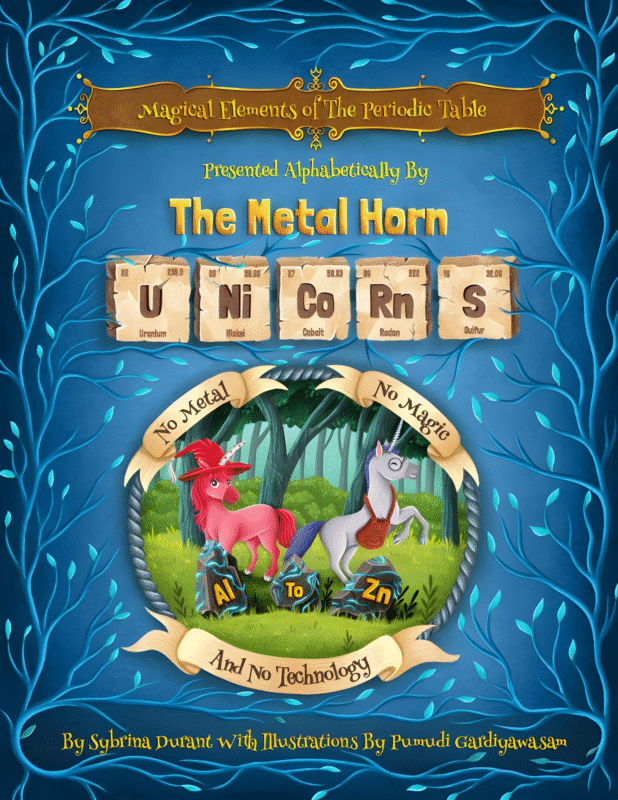
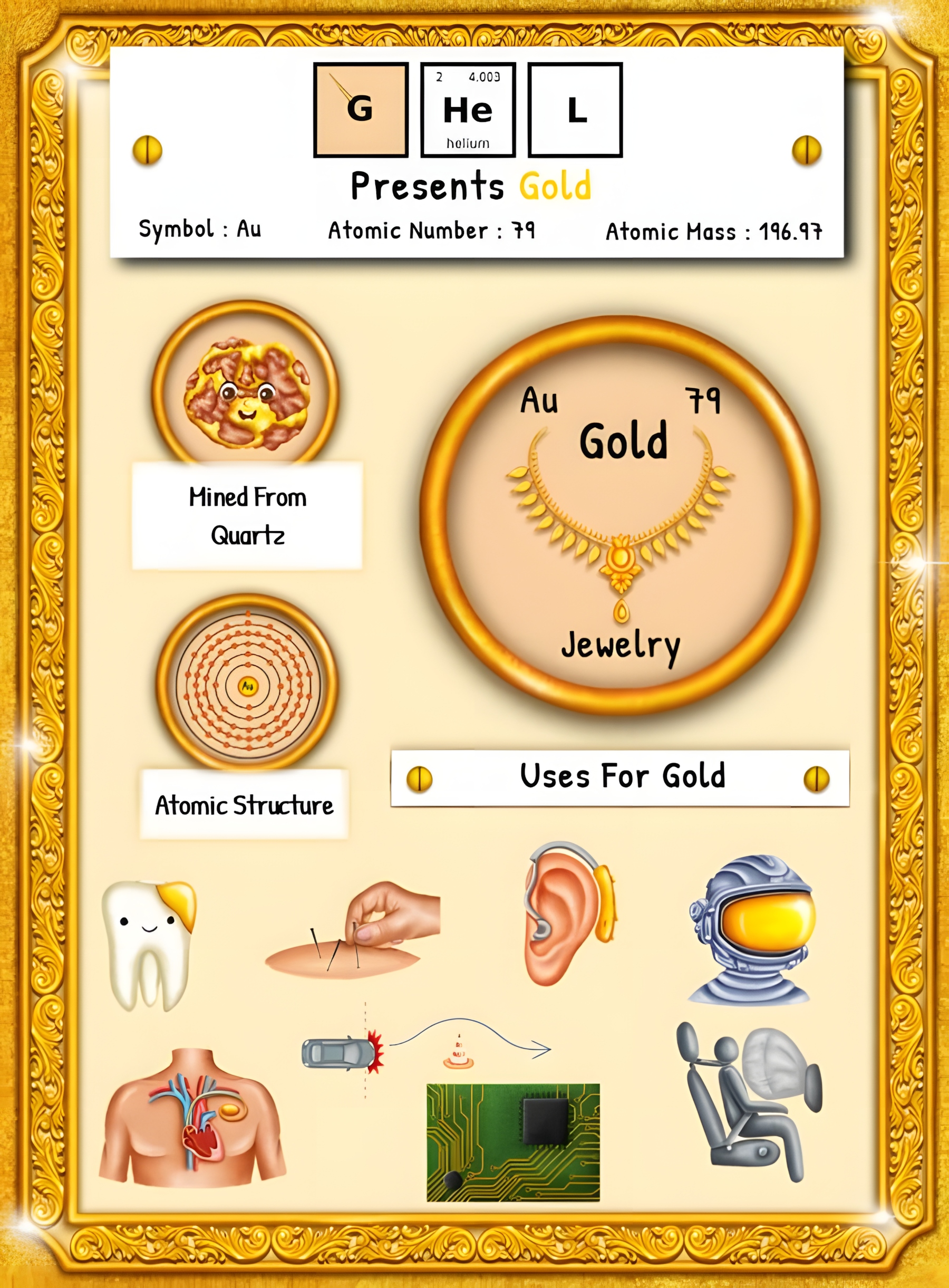
This article is brought to you by Sybrina Durant, the author of the middle grade picture book, Magical Elements of the Periodic Table Presented Alphabetically By The Metal Horn Unicorns. Learn More. In that book Gold is presented by the unicorn, Ghel. Ghel is one of the metal horn unicorns featured in the Journey To Osm collection of books by Sybrina Durant. Read Ghel’s Story.

Sybrina Publishing Offers Fun Activities Based On The Book
Magical Elements of the Periodic Table Presented Alphabetically By The Metal Horn Unicorns
Browse Sybrina-Publishing on TPT or Classful or The Unicorn Periodic Table Elements Store
Inter-Active Unicorn-Themed Periodic Table from Magical Elements of the Periodic Table Presented Alphabetically by The Metal Horn Unicorns
Click here to use This Inter-Active Viewer To Learn More About The Elements Each Unicorn Represents On This Periodic Table.

Want To Hear The No Metal No Magic Song?
100 Unicorn Tee Shirt Designs – Browse To Pick Your Favorite

They are available in short sleeve tees, long sleeve tees, tank tops, sweat shirts for all ages.