
The Evolution of Tin: From Ancient Uses to Modern Alternatives
Tin, a versatile metal with a long history of human use, has served myriad purposes throughout the ages. From ancient civilizations to the modern world, this resilient and malleable material has been utilized in various applications. However, as time progressed and new discoveries were made, alternative materials were found to be more suitable for certain purposes. In this article, we explore the first uses of tin and the reasons why it is no longer extensively used for those purposes.
Ancient Uses of Tin:
The utilization of tin dates back thousands of years, with evidence of its application found in artifacts from ancient civilizations such as Mesopotamia and Egypt. One of the earliest known uses of tin was in the production of bronze, as it was combined with copper to create a stronger alloy. This marked the Bronze Age, a period defined by the introduction of this revolutionary material.
Tin was also used to create household items and decorative objects. The metal’s corrosion resistance and lustrous appearance made it ideal for creating containers, cups, and mirrors. Additionally, its low melting point made it accessible for various artistic endeavors, including sculpting and casting.
Why Tin is No Longer Used Extensively for These Purposes:
Health concerns:
Tin has traditionally been used extensively for food and beverage storage due to its ability to form a protective layer, which prevents taste alterations and contamination. However, over time, concerns about tin’s impact on human health emerged. In particular, acidic foods can cause tin to leach into the contents, leading to health concerns and flavor changes. As a result, safer alternatives, such as stainless steel or food-grade plastics, have become more popular for food storage purposes.
Cost:
As time progressed, the availability and accessibility of various metals increased. Tin, however, became more expensive and challenging to mine compared to other alternatives. This increase in cost made it less practical for extensive use in the production of everyday objects.
Vulnerability to corrosion:
While tin exhibits good resistance to corrosion, its protective oxide layer is often thin and can degrade over time, particularly in harsh environments. The vulnerability of tin to corrosion limited its utility in certain sectors, discouraging its use in applications where longevity was a key factor.

Modern Alternatives:
In the contemporary era, industries have discovered alternative materials that better suit their needs, leading to the diminished use of tin in certain applications. Here are a few examples:
- Steel and Aluminum Alloys:
Modern engineering requires materials with superior strength and durability. Steel and aluminum alloys have largely replaced tin in industries like construction, automotive, and aerospace due to their high strength-to-weight ratios. - Plastic and Glass Containers:
Concerns about the potential health risks associated with tin and the development of more effective alternatives have led to the widespread use of plastics and glass containers in the food and beverage industry.
The uses and applications of tin have evolved significantly throughout history. Once a prized metal for various purposes, its utilization has diminished due to factors such as cost, corrosion vulnerability, and health concerns. As industries continue to evolve, they have embraced alternative materials that can better meet their specific needs. While tin’s historical significance cannot be understated, it has now found its niche in more specialized applications rather than being widely used as it once was.
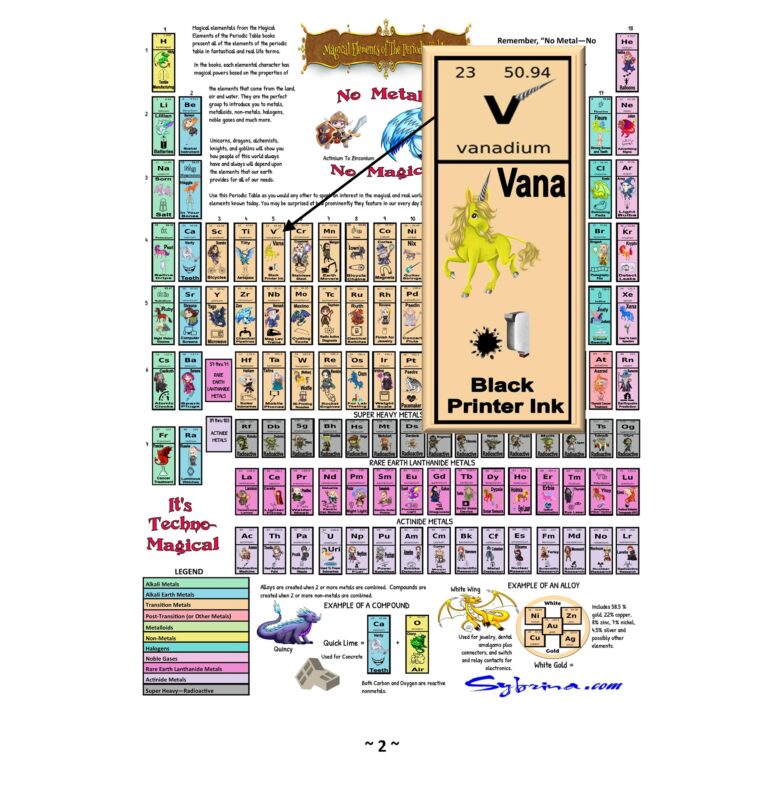
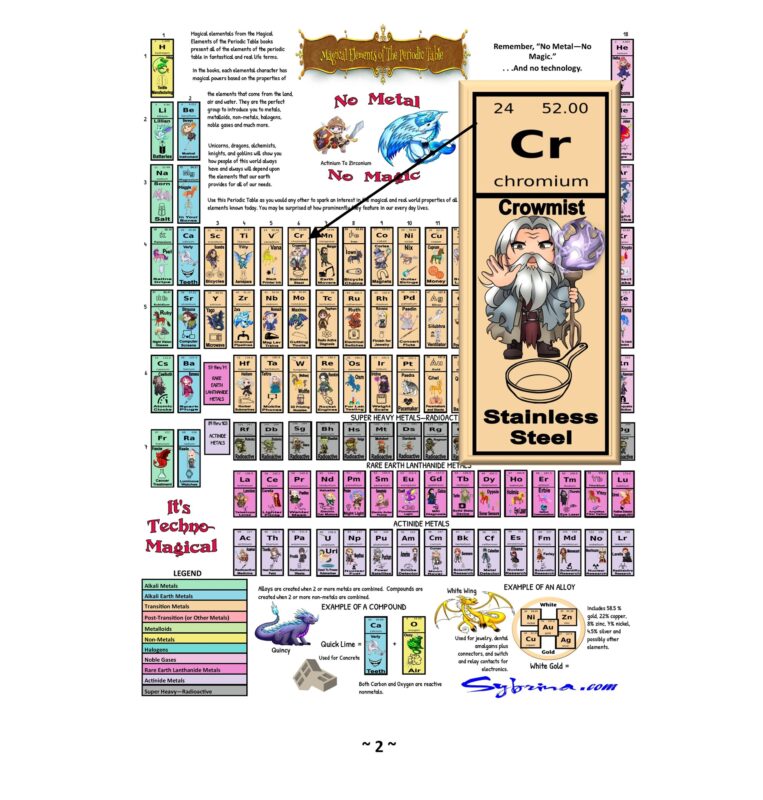
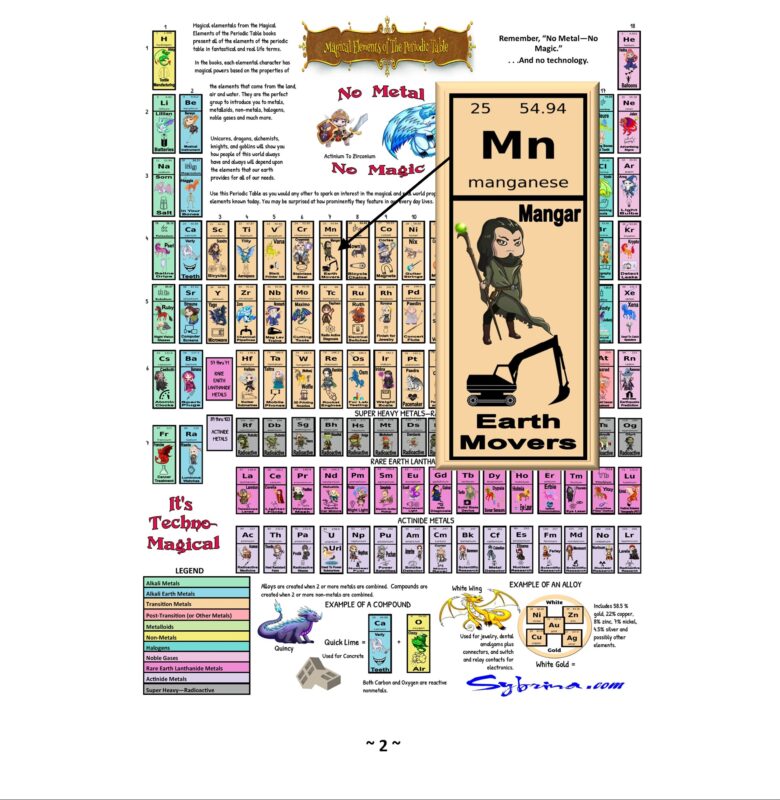
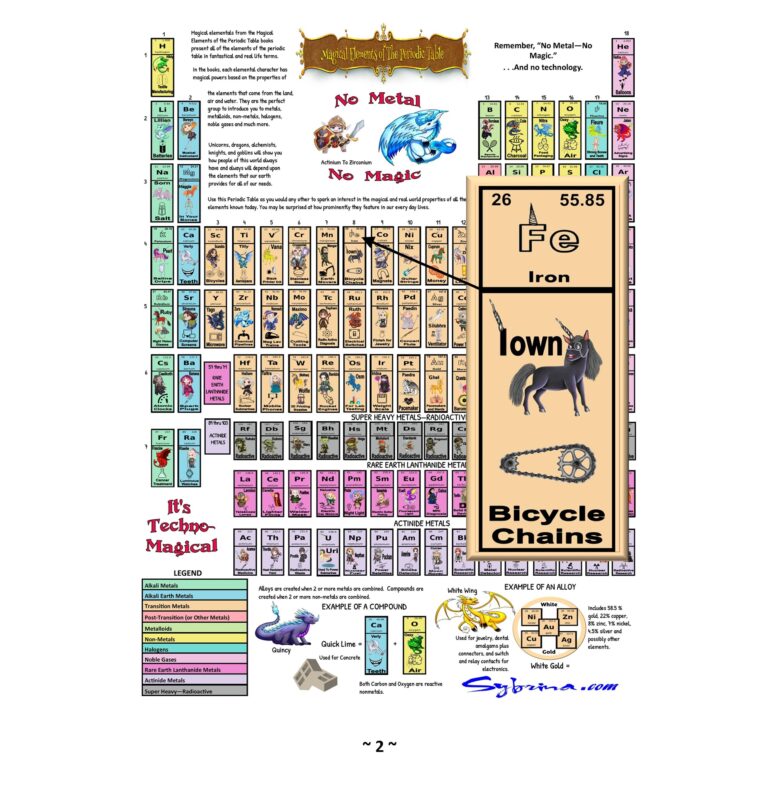
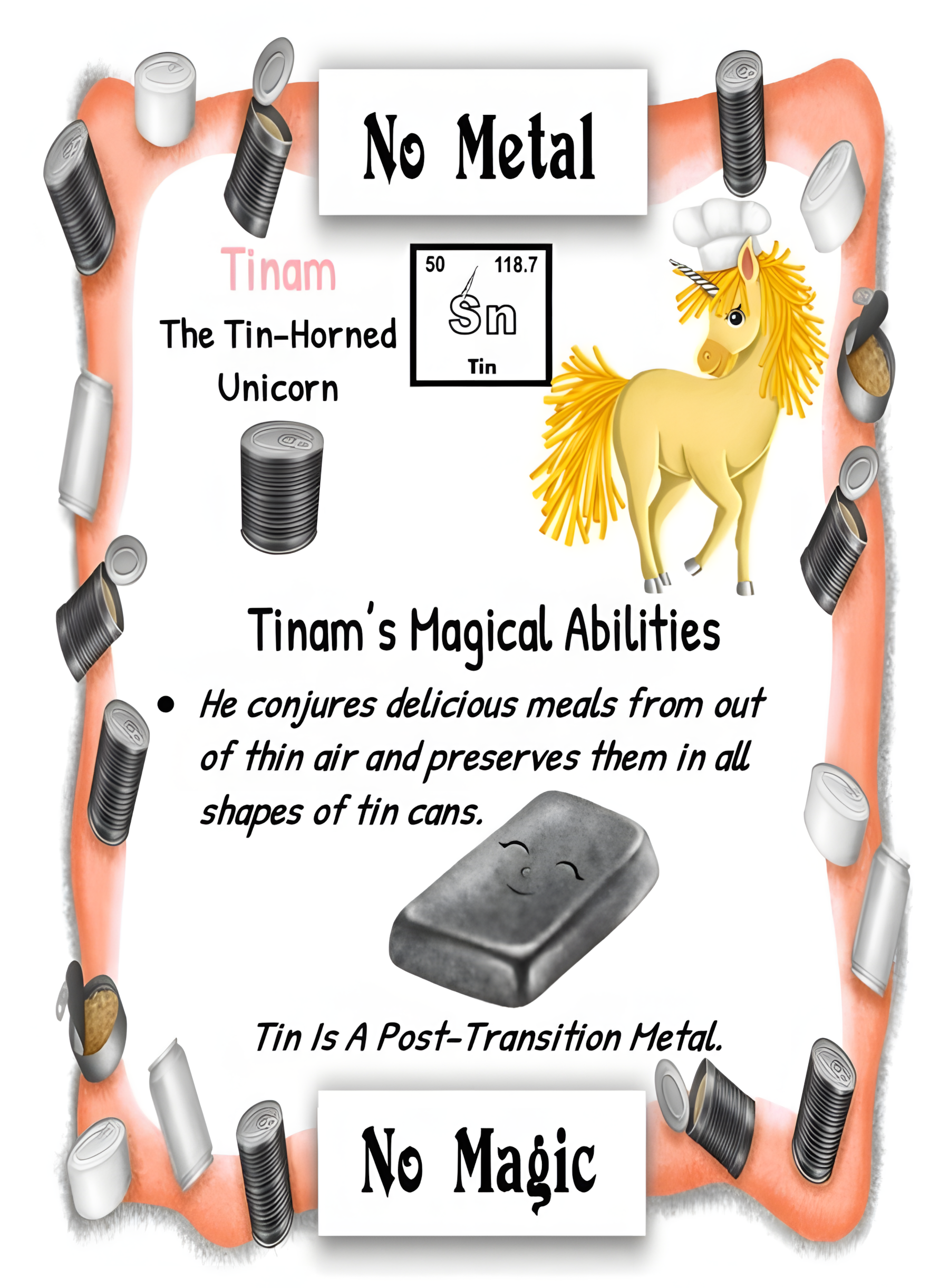
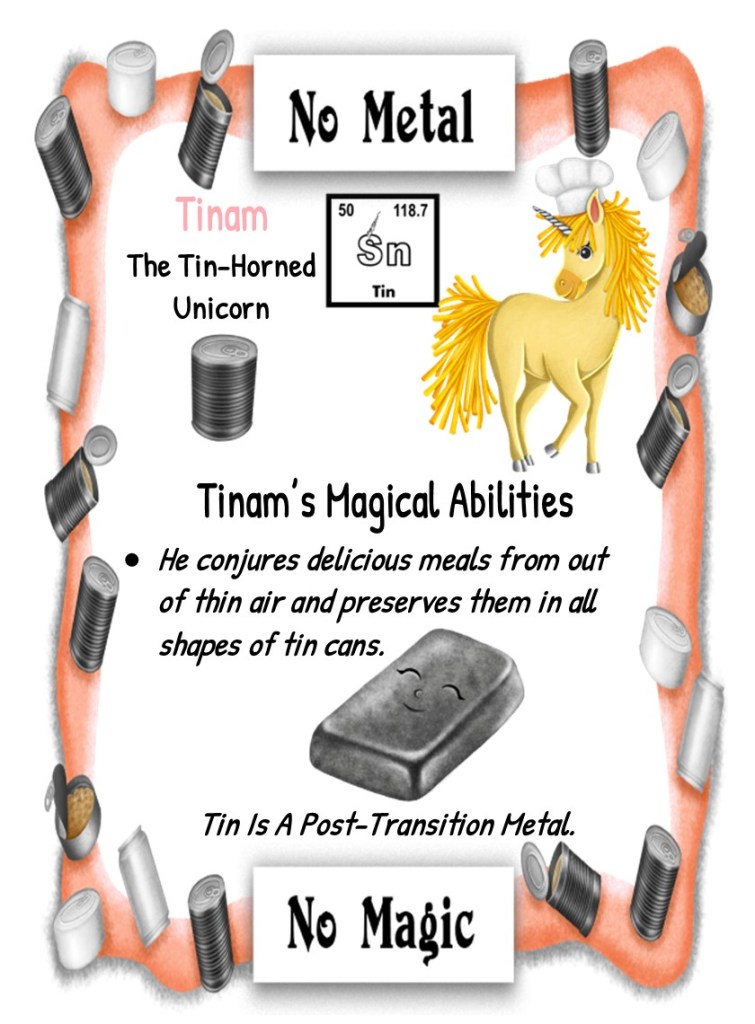
This article is brought to you by Sybrina Durant, the author of the middle grade picture book, Magical Elements of the Periodic Table Presented Alphabetically By The Elemental Unicorns. Learn More. In that book Tin is presented by the unicorn, Tinam.

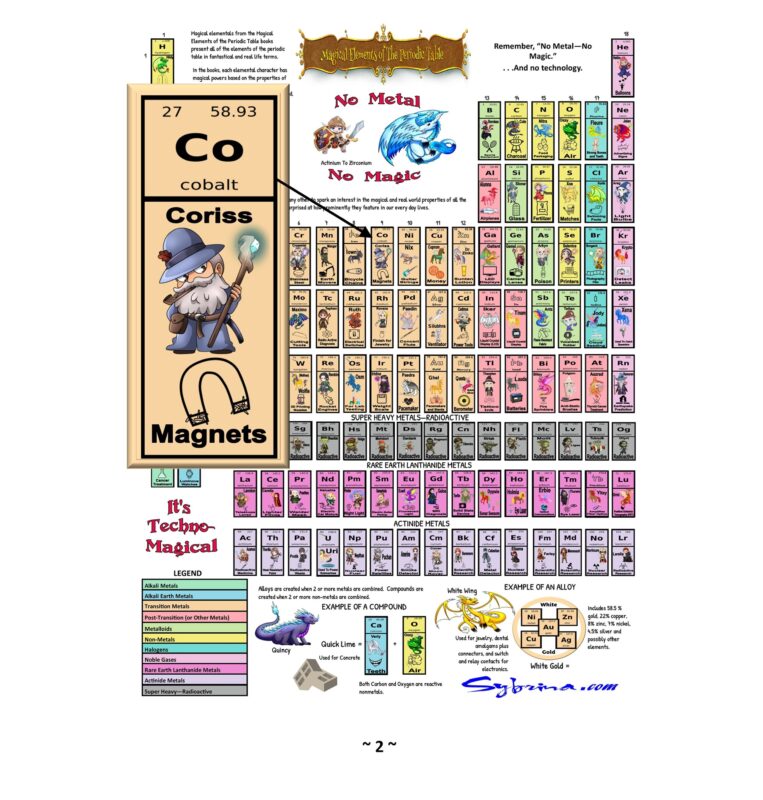
Inter-Active Elemental Fantasy-Themed Periodic Table from Magical Elements of the Periodic Table Presented Alphabetically by The Elemental Dragon Clan
Click here to use This Inter-Active Viewer To Learn More About The Elements Each Elemental Represents On This Periodic Table. Want this in a 24″ x 36″ Poster? Click here.

Sybrina Publishing Offers Fun Activities Based On The Book
Magical Elements of the Periodic Table Magical Elementals
Browse Magical Elemental Activities at MagicalPTElements or Sybrina-Publishing on TPT or Classful