
The Origin and Production of Nickel: A Versatile Metal

Nickel, a versatile and important metal, is widely used in various industries due to its unique properties. From electronics to aerospace, this element plays a crucial role in various applications. But have you ever wondered where nickel comes from and how it is processed? In this article, we will explore the origin of nickel, its extraction process, commercial processing, and the leading nations in nickel mining and production.
Nickel, symbolized as Ni on the periodic table, does not occur naturally as a pure element. Instead, it is found in combination with other minerals in the Earth’s crust. The most common nickel minerals are pentlandite, garnierite, and pyrrhotite. These minerals typically contain less than 3% nickel, making its extraction a complex and extensive process.
Nickel extraction primarily relies on mining operations. The mining process typically begins with exploration and geological surveying to locate and identify potential nickel-rich sites. Once an economically viable deposit is discovered, several methods can be employed to extract nickel from the ore.
One of the primary techniques used for nickel extraction is underground mining. In this method, tunnels are drilled into the Earth’s surface to reach the mineral deposits. Miners then extract the ore, which is usually a mixture of minerals containing nickel sulfide, and transport it to the surface for further processing.
Another method used for nickel extraction is open-pit mining. This method involves excavating large open pits to access the ore. Heavy machinery, such as trucks and shovels, is used to remove the overburden and extract the nickel-rich ore. Open-pit mining is commonly used for low-grade nickel deposits and is often more cost-effective than underground mining.
Once the nickel ore is extracted, it goes through a series of processing steps to obtain nickel metal in its pure form. The initial processing involves crushing and grinding the ore to a fine powder. This enables the separation of valuable nickel minerals from the unwanted gangue minerals.

After grinding, various separation techniques, such as flotation and magnetic separation, are employed to concentrate the nickel minerals. These methods exploit the different properties of the minerals to separate them effectively. Once the nickel concentrate is obtained, it undergoes smelting through a high-temperature process to produce nickel matte. Further refining processes, such as converting, electrorefining, and leaching, are then carried out to obtain pure nickel metal.
When it comes to nickel mining, there are several countries that dominate the industry. As of 2020, the leading nickel mining countries include the Philippines, Indonesia, Russia, and New Caledonia. The Philippines is the largest producer of nickel, followed closely by Indonesia. These countries are rich in nickel deposits, making them major players in the global nickel market.
However, nickel mining can have significant environmental impacts. Countries heavily reliant on nickel mining often face challenges regarding deforestation, land degradation, water pollution, and habitat destruction. For instance, in certain regions of Indonesia, nickel mining activities have resulted in the loss of critical biodiversity hotspots and damage to local ecosystems.
In terms of commercial nickel production, China takes the lead. China’s robust industrial sector and manufacturing capabilities have made it the largest producer of nickel. The country has a strong demand for nickel to support its domestic industries, including stainless steel production, which is one of the primary consumers of nickel.
In conclusion, nickel, a versatile and vital metal, is not found naturally as a pure element but as part of various mineral ores. It is obtained through mining processes, including underground and open-pit mining. The extracted ore undergoes complex processing to obtain pure nickel metal. The Philippines and Indonesia are currently the top nickel mining countries, while China stands as the leading producer of commercial nickel. However, the environmental impacts associated with nickel mining remain a challenge for these countries, necessitating sustainable mining practices to mitigate ecological damage.
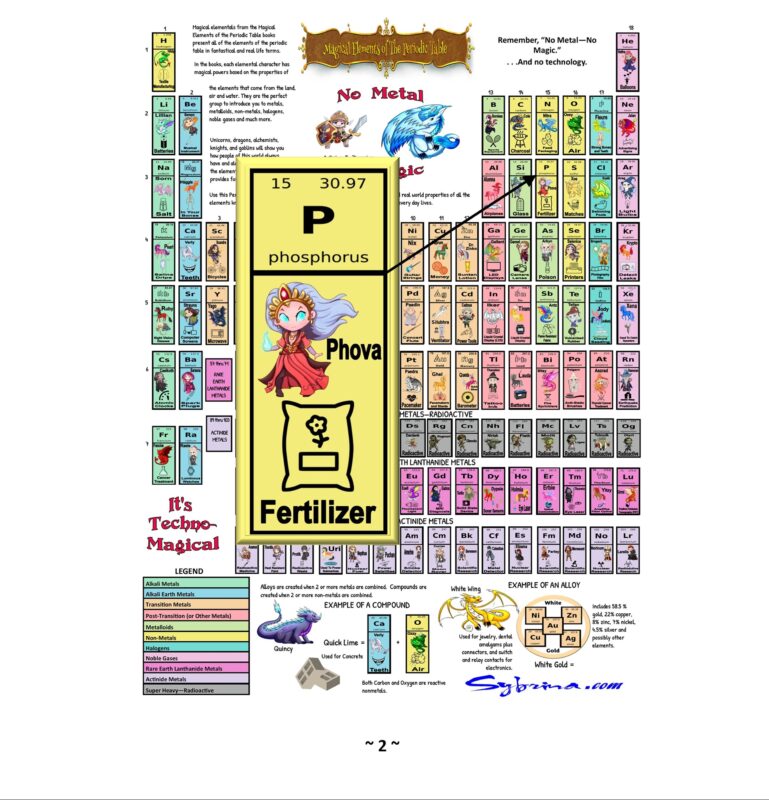
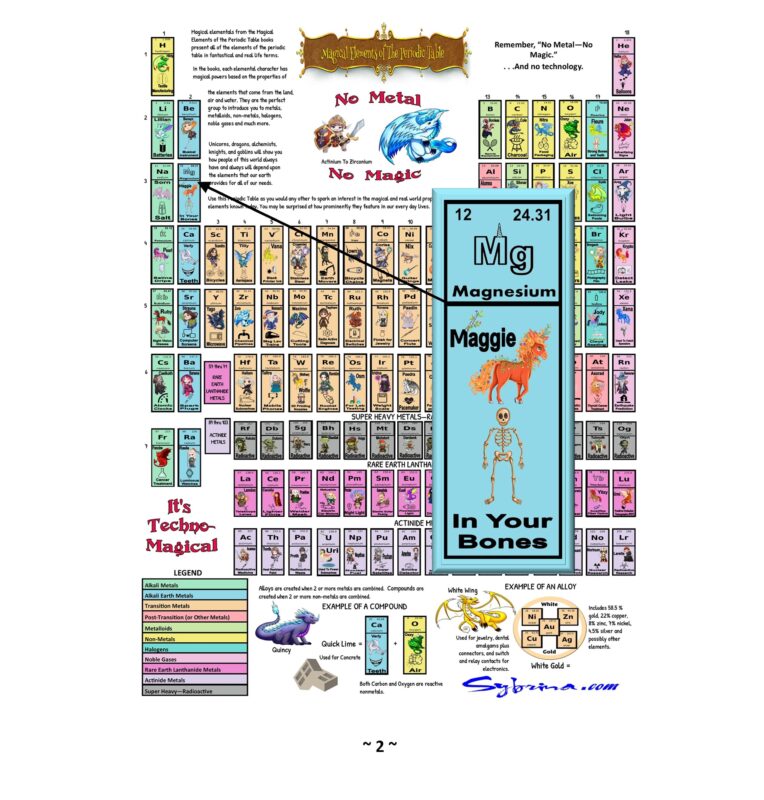
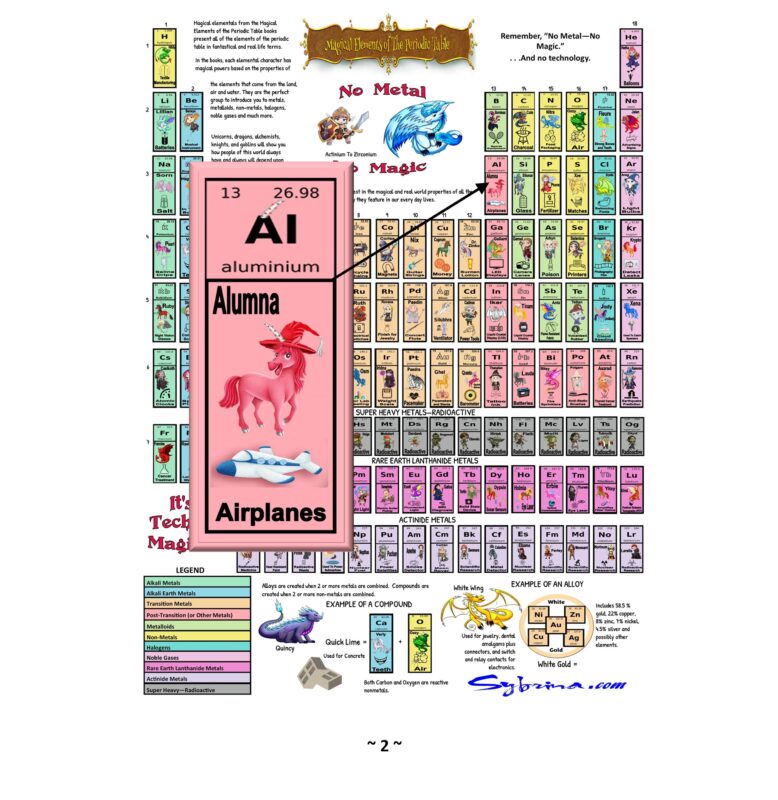
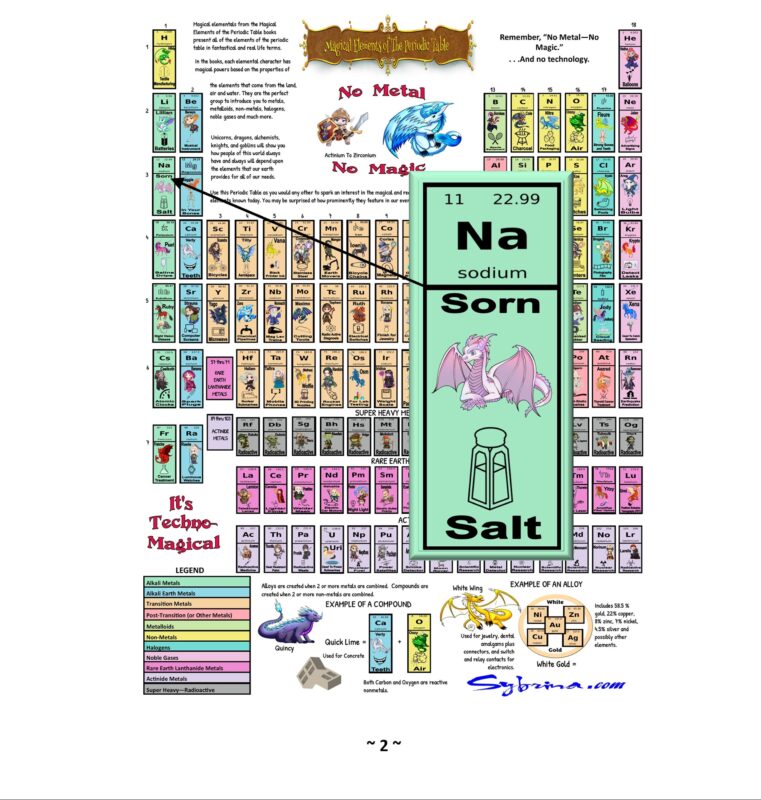
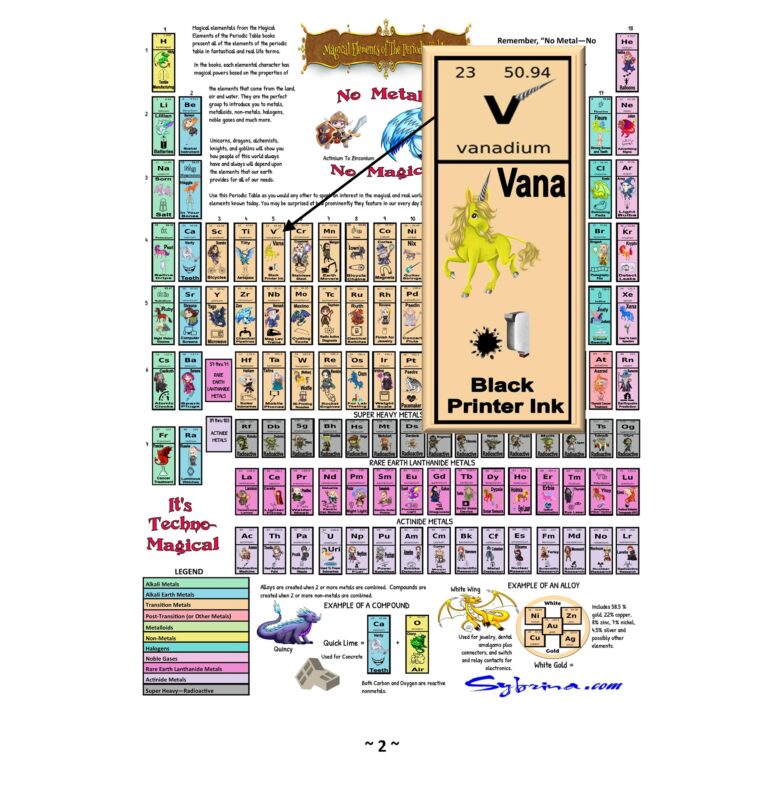
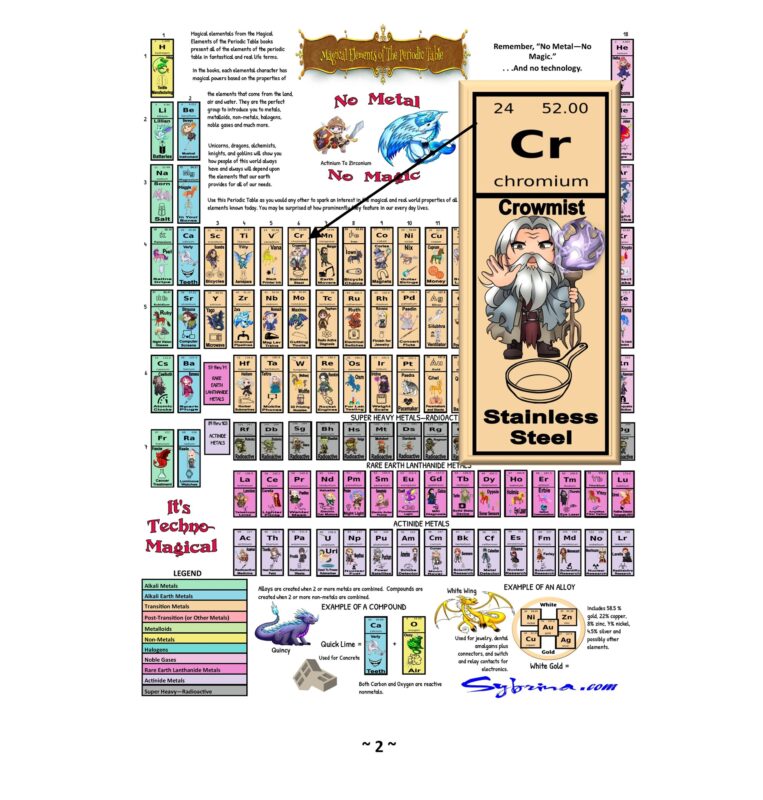
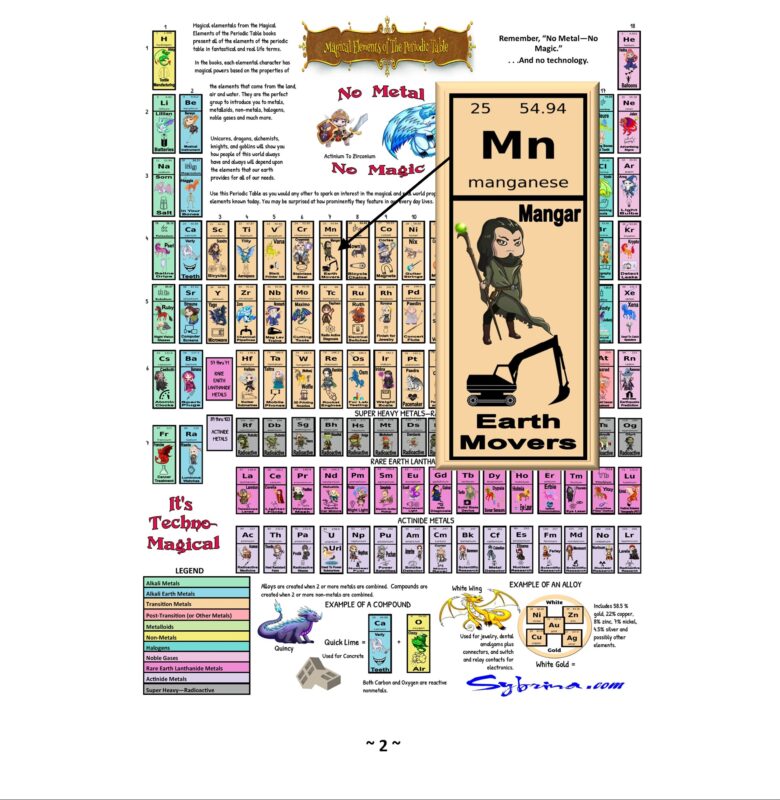
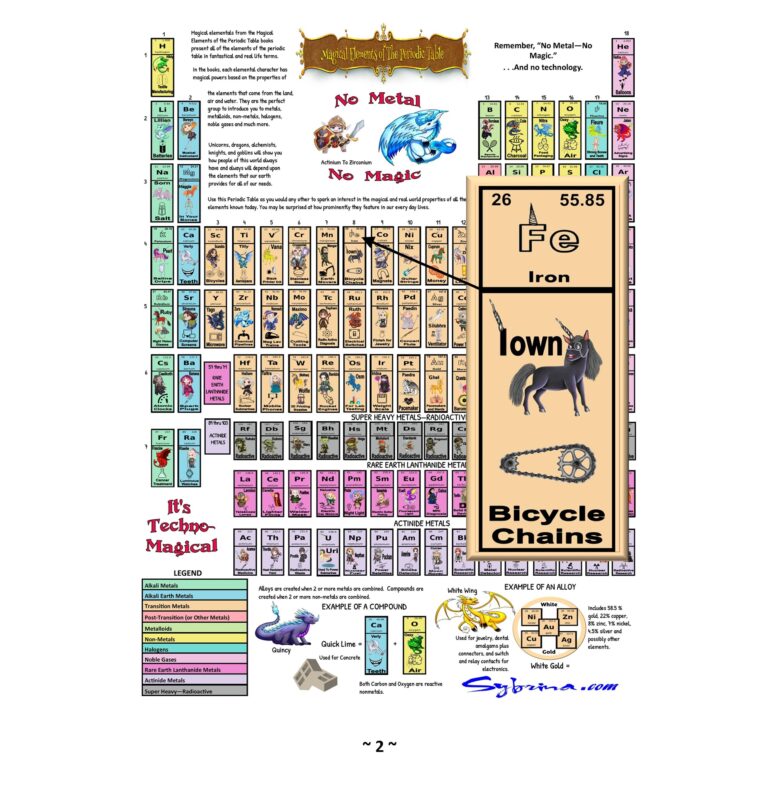
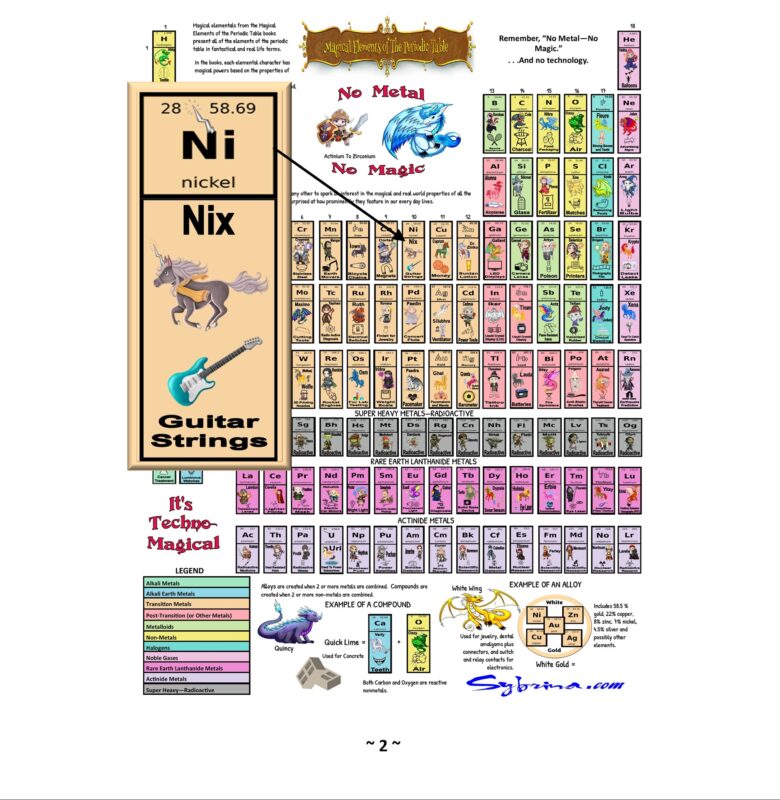
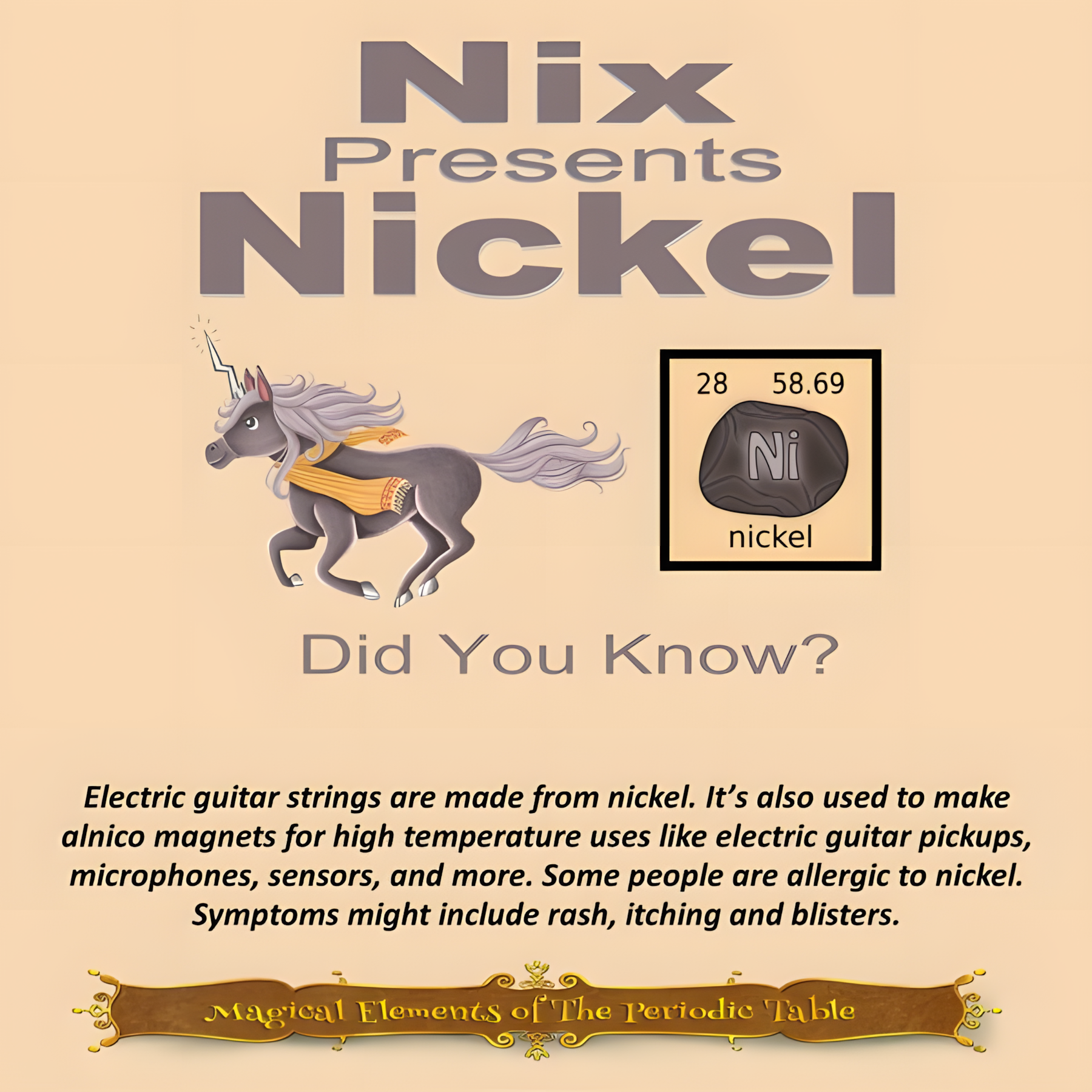
This article is brought to you by Sybrina Durant, the author of the middle grade picture book, Magical Elements of the Periodic Table Presented Alphabetically By The Metal Horn Unicorns. Learn More. In that book Nickel is presented by the unicorn, Nix.


Inter-Active Elemental Fantasy-Themed Periodic Table from Magical Elements of the Periodic Table Presented Magical Elementals
Click here to use This Inter-Active Viewer To Learn More About The Elements Each Elemental Represents On This Periodic Table. Want this in a 24″ x 36″ Poster? Click here.

Sybrina Publishing Offers Fun Activities Based On The Book
Magical Elements of the Periodic Table Magical Elementals
Browse Magical Elemental Activities at MagicalPTElements or Sybrina-Publishing on TPT or Classful