
The Pioneering Uses of Platinum: Exploring Its Fall from Prominence

Platinum, a lustrous and durable metal, has a rich history dating back thousands of years. Known for its rarity and versatility, platinum was initially revered for its captivating beauty and resistance to corrosion. Gradually, it found various applications across industries, from jewelry and currency to scientific endeavors and even automotive manufacturing. However, over time, its popularity waned in some areas due to a combination of factors. This article explores the first uses of platinum and highlights why it is no longer employed for certain purposes.
- The Early Uses of Platinum:
The ancient Egyptians and South Americans used platinum as an adornment for intricate jewelry and ceremonial objects as early as 700 BC. They marveled at its captivating appearance, hypoallergenic nature, and resistance to tarnishing. - Platinum as Currency:
In 16th-century Spain, platinum was mistakenly considered an impurity in gold mines. Due to this belief, it was discarded or extracted with great difficulty. However, in the mid-18th century, when Spanish conquistadors heard rumors of South American natives using platinum for currency, it sparked renewed interest. Consequently, the Spanish Crown declared platinum legal tender and used it extensively in the form of coins and jewelry. Yet, platinum’s rarity and challenges in refining meant that its utilization in this realm remained limited. - Platinum in Scientific Endeavors:
During the Enlightenment period, the scientific community uncovered numerous applications for platinum. Its high melting point made it a valuable asset in laboratory equipment, while its inertness and electrical conductivity made it sought-after in the production of electrodes, thermocouples, and other scientific instruments. However, these applications typically required only a small amount of platinum due to its high cost and limited availability. - Platinum in Automotive Manufacturing:
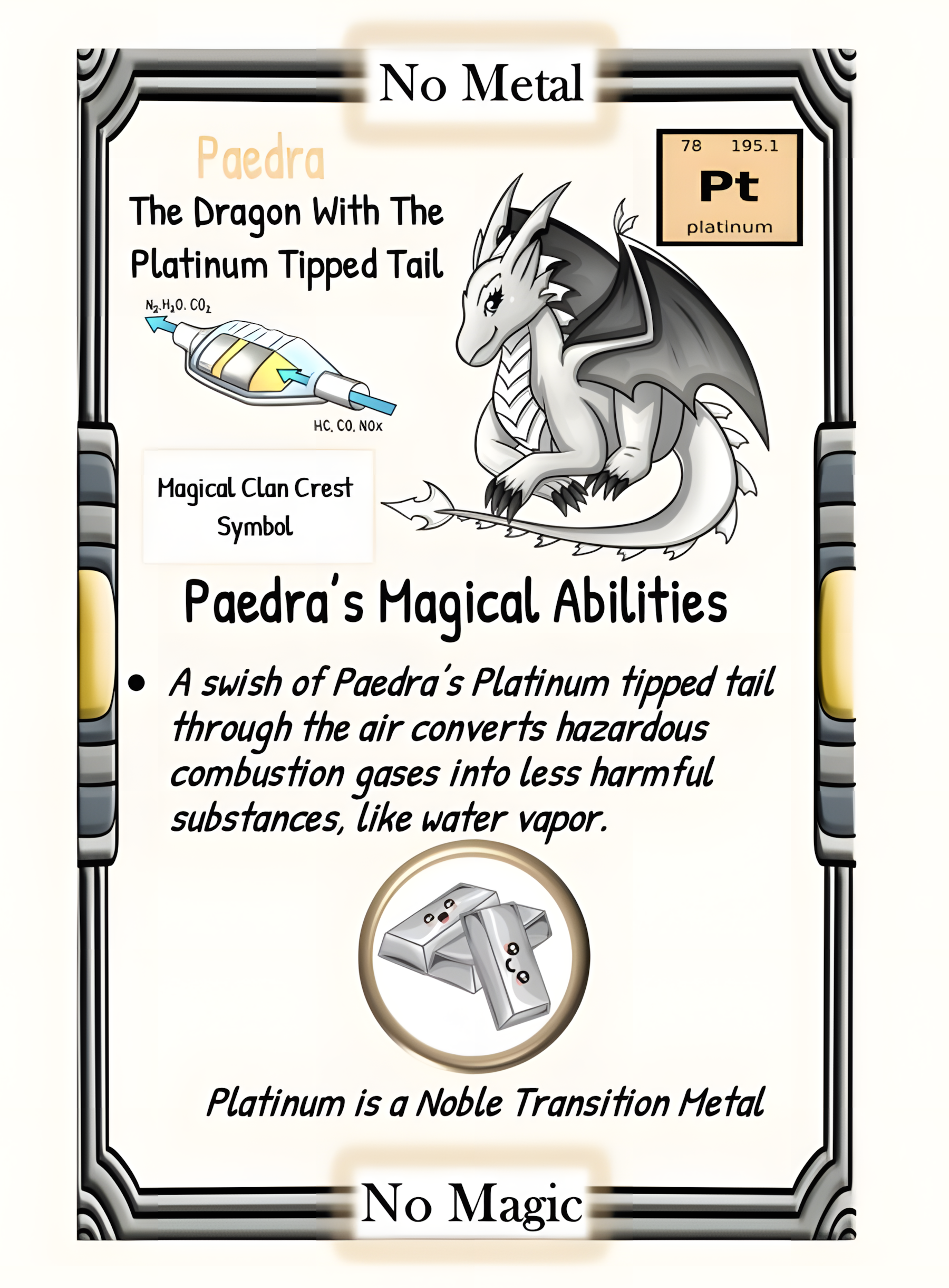
Perhaps one of the most notable and significant uses of platinum was in the automotive industry. With its exceptional resistance to corrosion, platinum became a key component in catalytic converters, which help reduce harmful emissions from internal combustion engines. For several decades, platinum reigned as the primary catalyst material due to its effectiveness in breaking down pollutants. However, in recent years, further research and technological advancements led to the development of alternative, more cost-effective catalysts.

Why Platinum Lost Some of Its Luster:
As platinum gained prominence across various industries, its limitations began to reveal themselves. The primary factors that contributed to its decline in certain applications include:
- High Cost: Platinum is one of the most expensive metals due to its rarity and challenging mining process. Its limited supply drives up the cost, making it less economically feasible for some applications.
- Advancements in Technology: In certain fields, such as automotive manufacturing, advancements in technology have allowed for the development of equally effective, low-cost alternatives to platinum catalysts, such as palladium or rhodium.
- Environmental Concerns: Though platinum brings undeniable benefits, concerns over its environmental impact have grown. Mining platinum involves significant energy consumption and causes ecological damage. These concerns have motivated scientists and manufacturers to explore more sustainable alternatives.
While platinum’s charm and relevance persist in jewelry making and certain scientific applications, its use in other areas has diminished. Despite its remarkable properties, the high cost, technological advancements, and environmental considerations have led to the exploration and adoption of alternative materials. Nonetheless, the allure of platinum continues to captivate, ensuring its enduring presence in select areas where its unrivaled qualities continue to shine.
This article is brought to you by Sybrina Durant, the author of the middle grade picture book, Magical Elements of the Periodic Table Presented Alphabetically By The Elemental Dragons. Learn More. In that book Platinum is presented by the dragon, Paedra.

Inter-Active Elemental Fantasy-Themed Periodic Table from Magical Elements of the Periodic Table Presented Alphabetically by The Elemental Dragon Clan
Click here to use This Inter-Active Viewer To Learn More About The Elements Each Elemental Represents On This Periodic Table. Want this in a 24″ x 36″ Poster? Click here.

Sybrina Publishing Offers Fun Activities Based On The Book
Magical Elements of the Periodic Table Magical Elementals
Browse Magical Elemental Activities at MagicalPTElements or Sybrina-Publishing on TPT or Classful