
The Historical Significance of Quicklime: Exploring its Early Uses and Why it Fell Out of Favor

Quicklime, also known as calcium oxide (CaO), holds a prominent position in the annals of human history. From ancient civilizations to medieval times, this versatile compound played a crucial role in various applications. However, as time progressed and newer alternatives emerged, the use of quicklime for its original purposes declined. In this article, we delve into the early uses of quicklime and the reasons behind its reduced popularity in contemporary times.
Early Uses of Quicklime:
- Construction and Architecture:
One of the earliest uses of quicklime was in construction. Ancient civilizations, such as the Egyptians, Greeks, and Romans, used it extensively as a mortar to bind stones and bricks together in monumental structures like the pyramids and aqueducts. Quicklime, when mixed with water, undergoes a chemical reaction, producing heat and converting into a solid form called slaked lime, which binds materials together effectively. - Agriculture:
Quicklime had remarkable benefits in agriculture. Farmers would spread it on fields to improve soil fertility and neutralize acidic soils. The calcium compounds in quicklime increased the pH levels, reducing soil acidity and enabling better nutrient uptake by plants. It helped to combat soil erosion and promote healthy plant growth. - Sanitization and Disinfection:
Due to its high alkalinity, quicklime found applications in sanitization and disinfection. Historically, quicklime was used in the treatment of sewage and wastewater to control odor and eliminate harmful bacteria. It was also employed in the disposal of human and animal remains. The caustic nature of quicklime facilitated efficient decomposition, minimizing the risk of disease transmission.
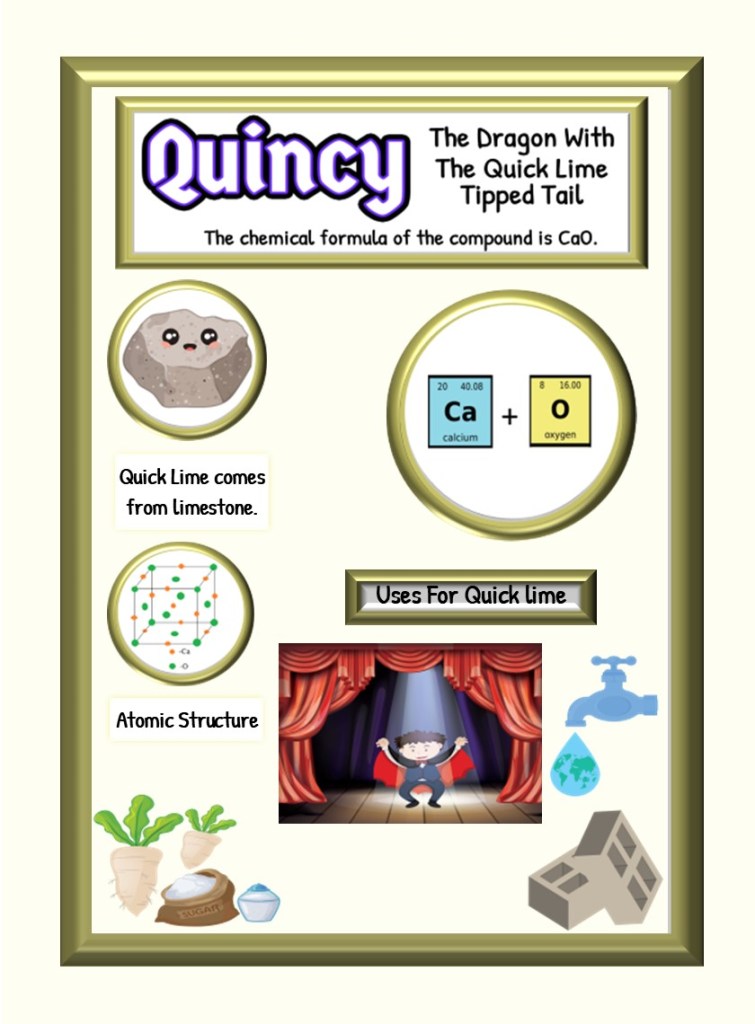
All these early applications highlight the diverse utility and significance of quicklime throughout history. However, as time progressed, new alternatives emerged, leading to a gradual decline in its use for these purposes.
Decline in Use and Contemporary Alternatives:
- Construction and Architecture:
While quicklime was widely used in ancient times, it slowly gave way to Portland cement, which has superior binding properties, enhanced durability, and better resistance to water. These qualities made modern cement more suitable for large-scale construction projects, leading to the phasing out of quicklime for this purpose. - Agriculture:
Quicklime was replaced by more refined lime products, such as agricultural lime (calcium carbonates), which offered more controlled and precise pH adjustments. Furthermore, the addition of organic matter and other soil amendments proved to be more effective for improving soil quality and plant growth. - Sanitization:
The advent of modern disinfectants and sewage treatment technologies rendered the use of quicklime unnecessary. Chemical compounds, such as chlorine and ozone, provided more efficient and expedient sanitization. In addition, regulations and concerns surrounding environmental impacts and safe waste disposal contributed to the decreased use of quicklime in these applications.
Quicklime has undoubtedly played a critical role in various aspects of human civilization for thousands of years. From construction to agriculture and sanitation, its chemical properties made it an invaluable resource. However, the emergence of newer, more efficient alternatives, technological advancements, and changing environmental considerations have led to a decline in its utilization. Nevertheless, quicklime remains an intriguing testament to the ingenuity and resourcefulness of our ancestors whose pioneering use of this timeless compound helped shape the world we inhabit today.
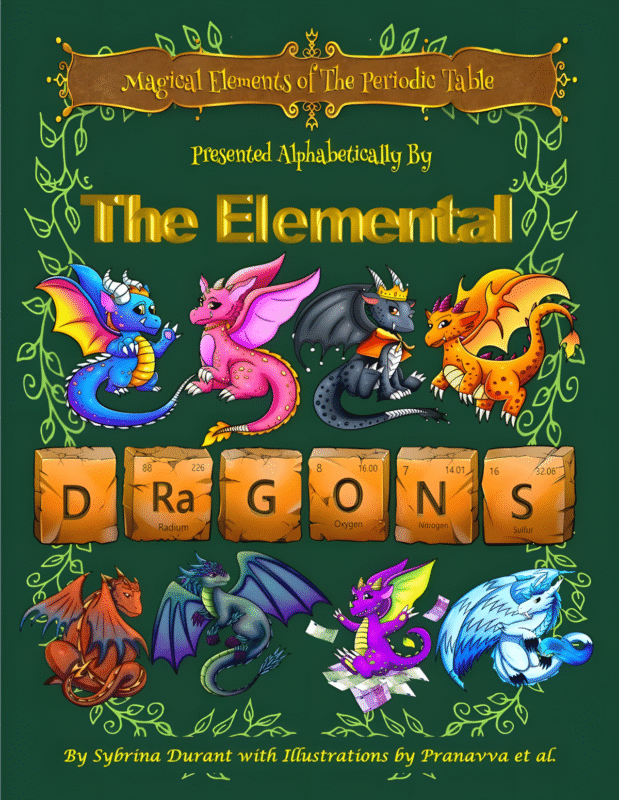
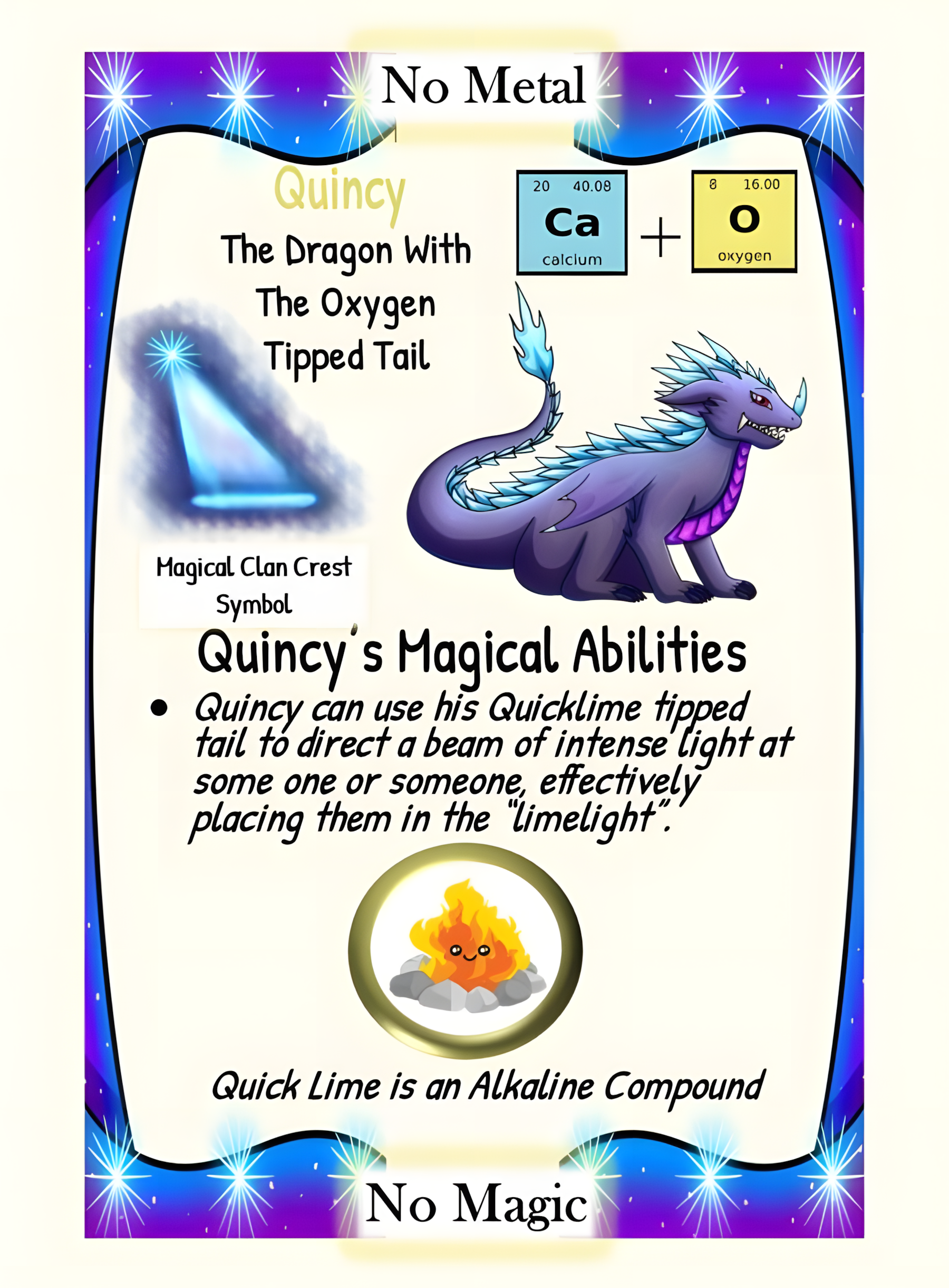
This article is brought to you by Sybrina Durant, the author of the middle grade picture book, Magical Elements of the Periodic Table Presented Alphabetically By The Elemental Dragons. Learn More. In that book Quicklime is presented by the dragon, Quincy.

Inter-Active Elemental Fantasy-Themed Periodic Table from Magical Elements of the Periodic Table Presented Alphabetically by The Elemental Dragon Clan
Click here to use This Inter-Active Viewer To Learn More About The Elements Each Elemental Represents On This Periodic Table. Want this in a 24″ x 36″ Poster? Click here.

Sybrina Publishing Offers Fun Activities Based On The Book
Magical Elements of the Periodic Table Magical Elementals
Browse Magical Elemental Activities at MagicalPTElements or Sybrina-Publishing on TPT or Classful