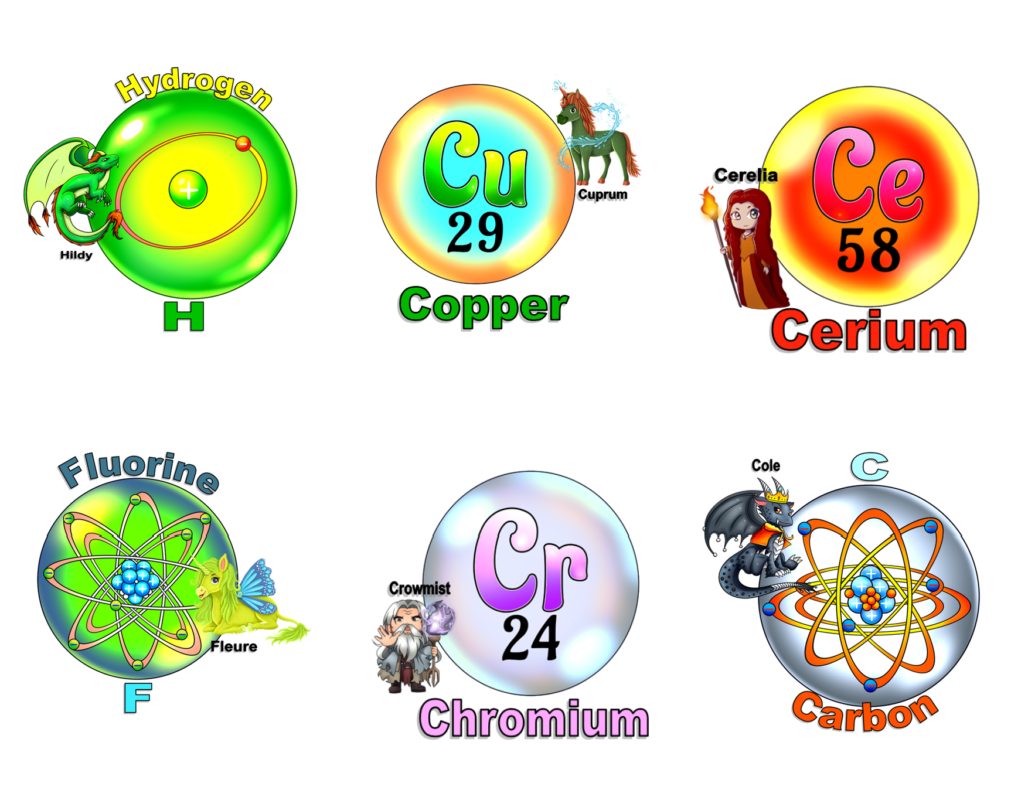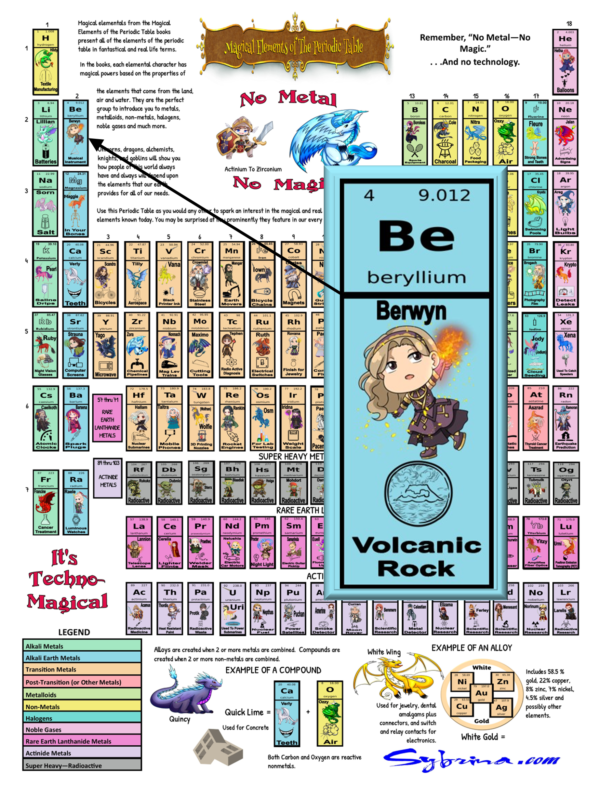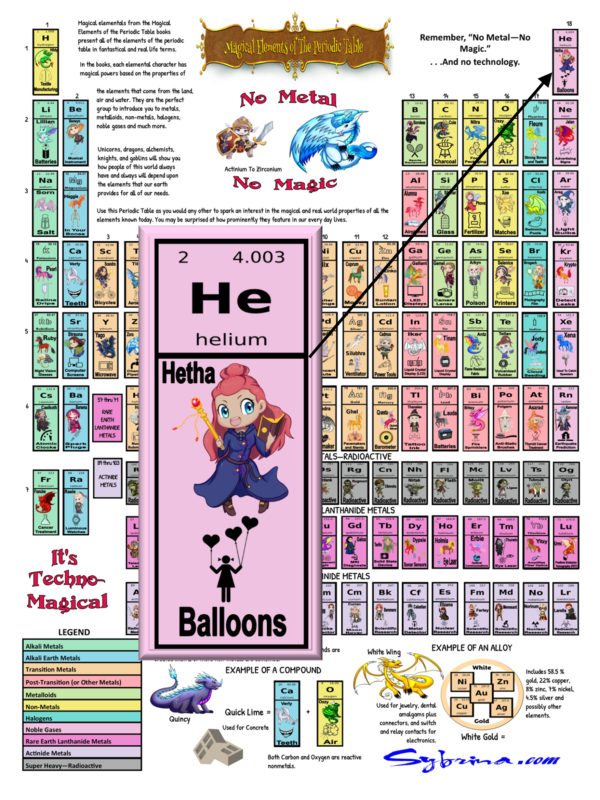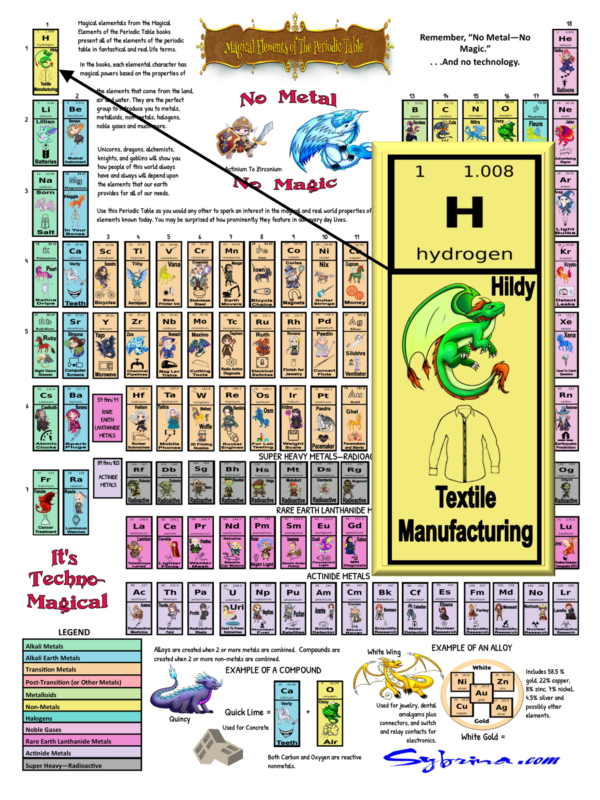

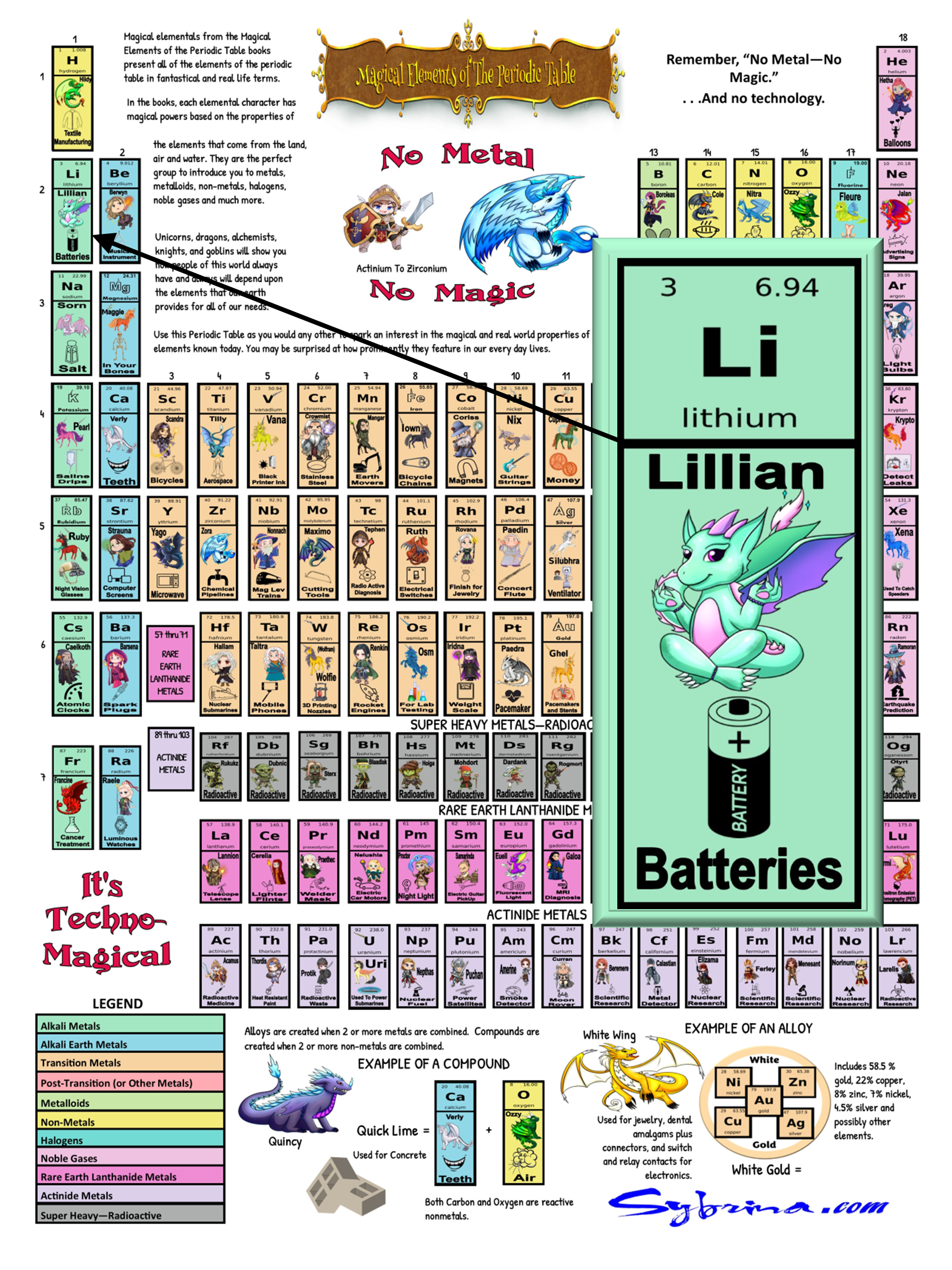
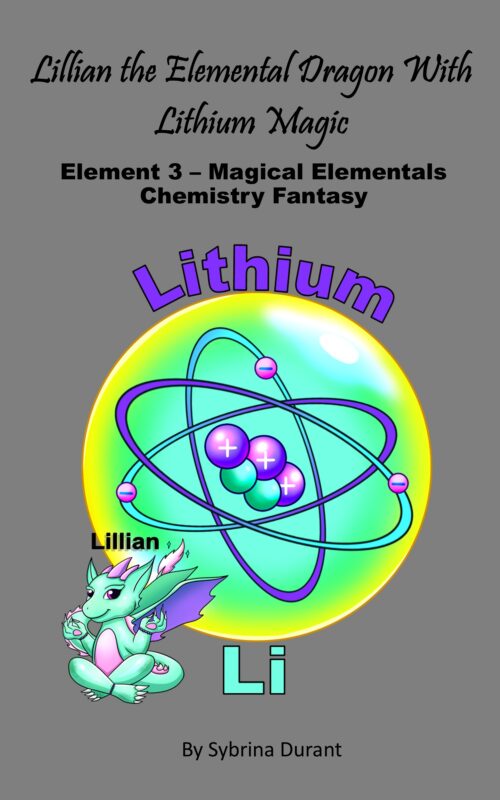
In a world where dragons breathe fire and machines hum with magic, a fresh voice is turning science into pure adventure. Lillian the Elemental Dragon With Lithium Magic is the first book in the Magical Elementals Chemistry Fantasy Series, and it’s designed to spark curiosity in curious kids and young readers who love fantasy, mystery, and, yes, real science.
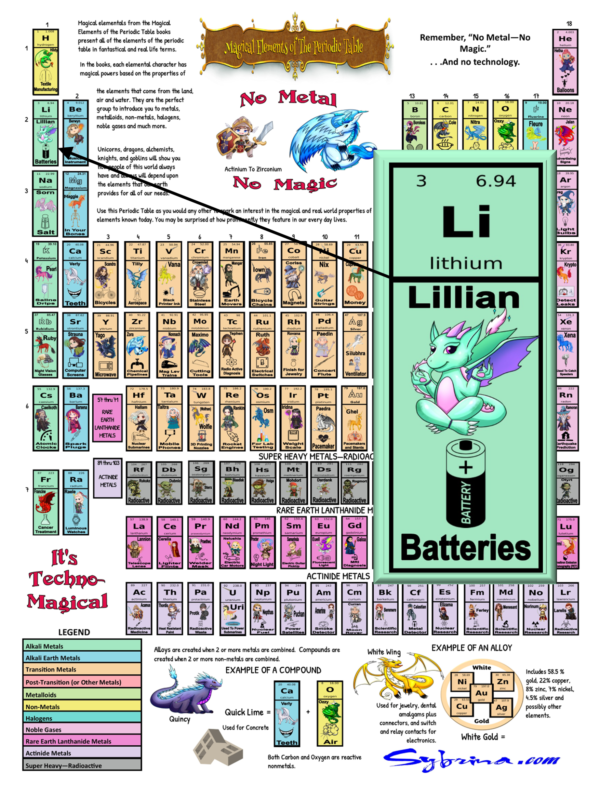
What makes this book special? It’s science you can feel. The story centers on Lillian, a petite, mint-green dragon whose powers are grounded in Lithium—Element 3 on the periodic table. But this isn’t a textbook lesson wearing a cape. It’s a high-energy, high-stakes quest that blends chemistry concepts with magical storytelling in a way that makes learning feel like an epic journey.
1) Chemistry Comes Alive Through Story
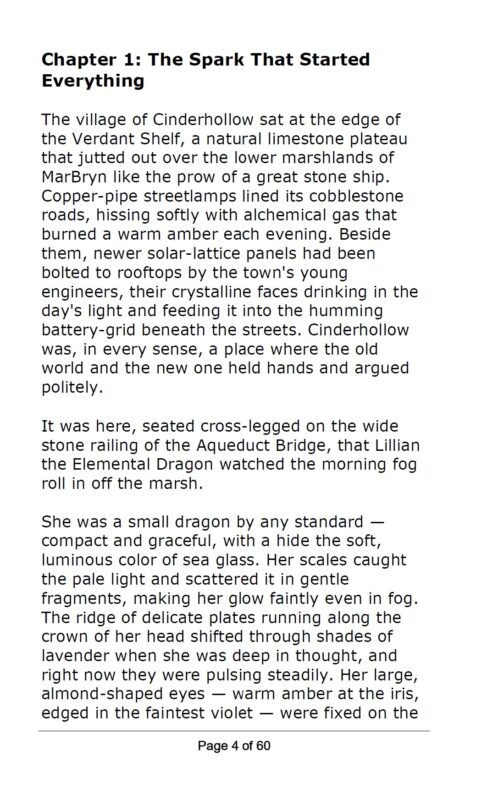
From the moment the Verdant Shelf’s solar-lattice panels glitter on rooftops to the underground battery vault humming with lithium-alloy cells, readers are immersed in a world where old-world alchemy and modern science coexist. Lillian’s abilities—electrokinesis, healing touch, telekinesis, and mind shield—are rooted in real chemical principles. The author doesn’t dump facts; instead, science threads through dialogue, plot twists, and battles, giving readers tangible connections between what they’re reading and what’s happening in real laboratories and classrooms.
2) A Compelling Cast of Characters Who Feel Like Real People
Lillian isn’t alone on her journey. Bowen Trell, a non-magical but incredibly capable electrical engineer; Sera Vance, a field chemist with a sharp mind; Zix, a Compass Sprite who knows how to navigate treacherous terrain; and Davan Marsh, a seasoned Council intelligence agent, all bring unique strengths to the table. Their interactions are grounded in respectful dialogue, teamwork, and problem-solving. The dynamic is ideal for readers who appreciate character-driven stories and want to see science, not stereotypes, in action.
3) A World That Honors Both Tradition and Innovation
MarBryn is a lush, imaginative setting where copper gas lamps glow beside solar panels, and alchemical fog swirls through ancient hollows. This blend of “old world” and “new world” technology mirrors real-world debates about progress and sustainability. The narrative doesn’t choose sides; it explores how communities can balance heritage and modern science to build inclusive, resilient futures. That nuanced exploration makes the book a great read for parents, teachers, and librarians seeking stories with substance.
4) Action-Packed Adventure with Real Chemistry Concepts
The story isn’t just about magic; it’s about understanding how energy works, how chemical reactions can be harnessed, and how sustainable systems can be designed. Readers encounter energy storage, electrochemical energy, lithium carbonate synthesis, and controlled energy release—concepts presented in an age-appropriate, exciting way. The action scenes—major battles, clever gadgets, and strategic planning—keep adrenaline high while nudging readers toward scientific literacy.
5) A Protagonist Who Models Intellectual Courage
Lillian’s calm, analytical mind and her steady leadership arc offer a powerful message: science is a tool for solving problems, and collaboration often yields better outcomes than solitary heroism. Her “calm under pressure” approach is a model for young readers facing tough challenges—whether in the classroom, a science fair, or a real-world problem.
6) An Invitation to Explore Real-World Chemistry
The book doesn’t stop at fantasy: it provides a gentle bridge to real chemistry concepts. Readers encounter lithium’s role in batteries, energy storage, galvanic isolation, and the ethical considerations of power distribution. For teachers and parents, the book offers a ready-made springboard for science discussions, experiments, and curiosity-driven projects. The companion materials (glossaries, element profiles, and chemistry fact pages) make it even easier to turn reading into a hands-on learning experience.
7) A Series with Expanding Horizons
Lillian is just the beginning. The series promises new Elementals, each inspired by a different element from the periodic table. This structure is perfect for readers who want ongoing adventures and a growing science curriculum woven into fantasy narrative. It also gives educators a recurring framework to teach, revisit, and expand scientific literacy across multiple books.
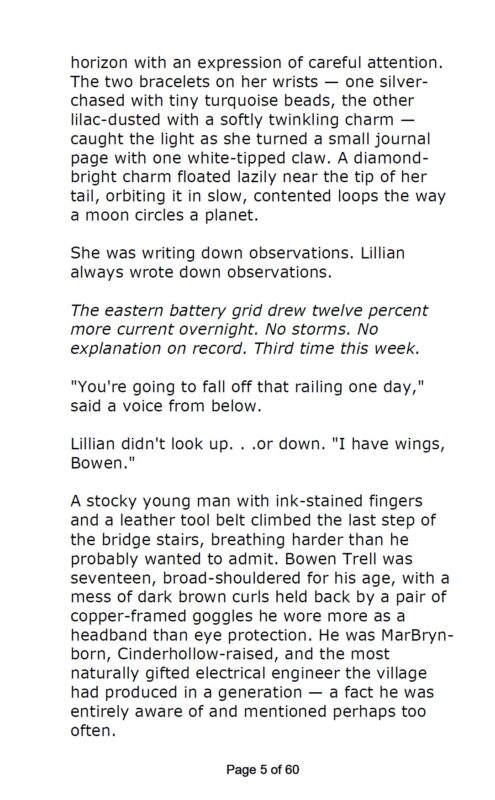
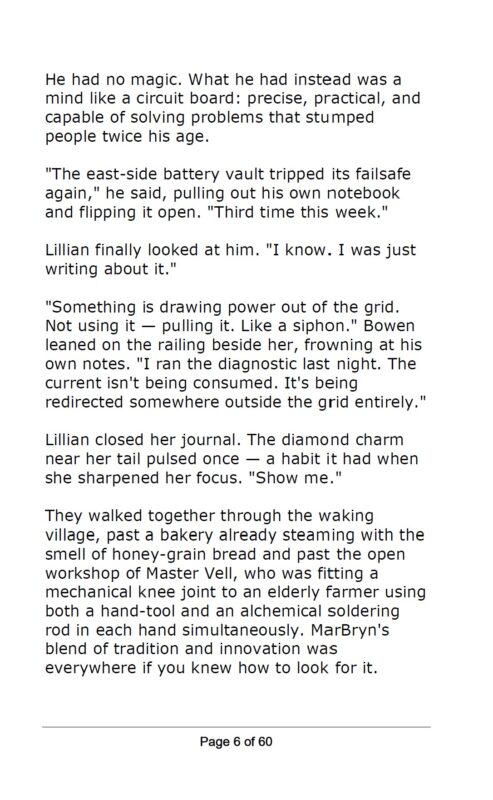
If you’re a parent, teacher, or librarian looking for stories that cultivate wonder—not just entertain—Lillian the Elemental Dragon With Lithium Magic is a fantastic pick. It champions curiosity, critical thinking, and collaboration, all wrapped in a captivating fantasy that respects young readers’ intelligence.
Where science meets storytelling, where electricity crackles and chemistry glows, Lillian invites readers to imagine a world where the periodic table isn’t a dry chart but a living map of possibility. The adventure is just beginning, and the next element might bring even richer questions, deeper discoveries, and more heroes who prove that science can be thrilling, magical, and profoundly human.
Want to spark a class discussion or a family science night? Here are a few prompts inspired by the book:
– How does Lillian’s healing power connect to real medical chemistry?
– What are the ethical implications of centralized energy control, and how does cooperative energy distribution address them?
– How can you design a simple, safe experiment at home to illustrate battery energy or energy storage concepts?
– Which character’s skills do you relate to most, and how can teamwork enhance problem-solving in real life?
The Lillian the Elemental Dragon With Lithium Magic – Element 3 Magical Elementals Chemistry Fantasy novelette isn’t just a story; it’s an invitation—to wonder, to question, and to see how science and imagination can illuminate each other. If you’ve ever looked at the periodic table and wondered what lives inside it, this book is for you.
Get it in Kindle, Paperback or Audio.
Links and Notes for Lillian’s chemistry inspired magical abilities:
Lithium-ion batteries and energy storage (the battery-grid vault, lithium-alloy cells, the siphoning of stored charge):
- DOE Explains…Batteries — U.S. Department of Energy
- How does a lithium-Ion battery work? — Let’s Talk Science
- Lithium-Ion Battery Components, Diagram and Working Principle — Ossila
- Battery University BU-204: How do Lithium Batteries Work?
Basic element chemistry of lithium (Element 3, its reactivity, its “energy-dense” framing as elemental magic):
- Lithium — Britannica
- Lithium — Wikipedia
- Lithium (Z=3) — Chemistry LibreTexts
- Lithium — Element information, properties and uses — Royal Society of Chemistry Periodic Table
Lithium carbonate as a real chemical compound (the vial Lillian synthesizes as the “shutdown key,” and her closing line “it’s just what lithium does — it stabilizes”):
- Lithium (medication) — Wikipedia
- The role of lithium in the treatment of bipolar disorder — PMC/NIH
- Lithium Carbonate: Uses, Interactions, Mechanism of Action — DrugBank
- Potential mechanisms of action of lithium in bipolar disorder — PubMed
Lithium carbonate really is the compound used clinically as a mood stabilizer — this is real science hiding behind Lillian’s line that lithium “stabilizes,” since that’s literally its established pharmacological role.
Where lithium comes from in nature (For the “lithium-slate deposits” Lillian senses underground, or Ashfen’s mineral geology):
- How is lithium mined? — MIT Climate Portal
- Lithium Brines: Origin, Characteristics, and Global Distribution — Economic Geology / GeoScienceWorld
- A Preliminary Deposit Model for Lithium Brines — USGS
Magitek / science-magic fusion as a genre category (directly matches the story’s premise of elemental magic layered onto batteries, grids, and engineering — “old world and new world holding hands”). How the story’s “electrochemical magic” concept sits within established fantasy writing conventions::
- Magitek — TV Tropes
- The Magitek Trope In Sci-fi And Fantasy, Explained — Game Rant
- Science Fantasy — Tropedia
- Aetherpunk, Magitech, and Technomancy: What’s the difference? — Chaotican Writer
Hard magic systems with internal rules
- Sanderson’s First Law — Brandon Sanderson
- A Definitive Guide to Sanderson’s Laws of Magic — Brandon Sanderson
- Hard vs. Soft Magic Systems — Tomeworks Editing
- The Spectrum of Magic Systems: Science Meets Mysticism — Jon Cronshaw
Electrokinesis as a specific power trope (Lillian’s lightning bolts, energy barriers, and electromagnetic disruption pulses):
Electrokinesis — Superpowers in Fiction Wiki