
The Origin of Iron: From Natural Occurrence to Commercial Production
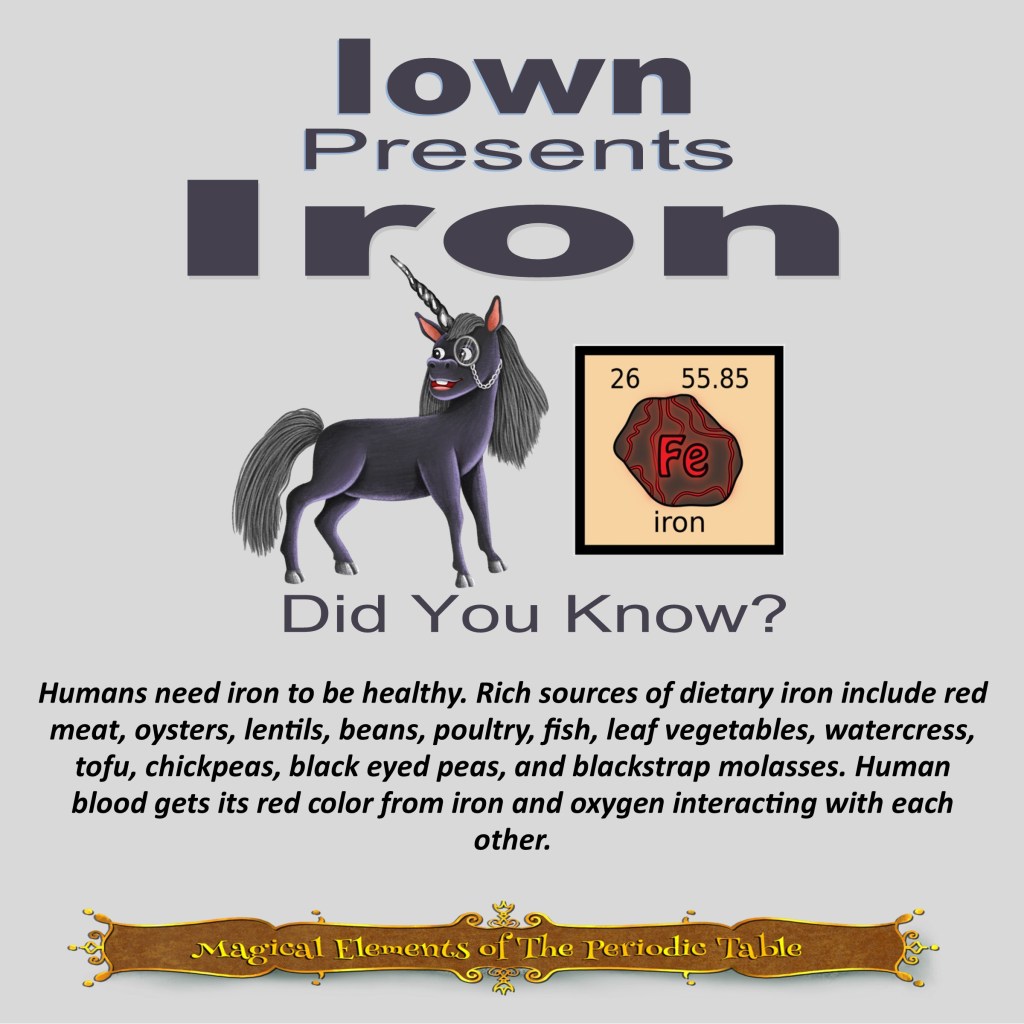
Iron is an essential element for modern society, playing a pivotal role in the development of civilization and technological advancements. From its natural occurrence to its commercial production, the story of iron is fascinating and interconnected with the environment and human activity. In this article, we will explore the origin of iron, its extraction from various sources, the mining process, commercial processing methods, the leading iron-mining countries, and their environmental impacts.
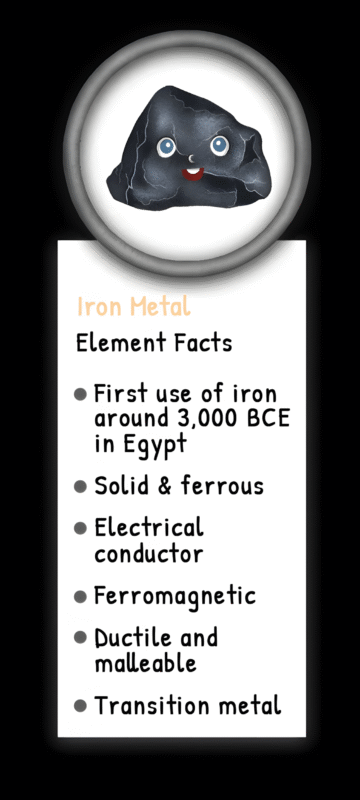
Iron is a chemical element with the symbol Fe, derived from the Latin word ferrum. While it does not occur naturally as a pure element, it is abundant in nature and commonly found in the Earth’s crust. Pure iron is typically found in meteorites, making up a small percentage of their composition. However, most iron is obtained from minerals known as iron oxides, which include hematite, magnetite, and taconite.
The extraction of iron usually involves the mining of iron ore deposits. Iron ores are rocks and minerals from which metallic iron can be economically extracted. These deposits can be found in various locations globally, with significant reserves in Australia, Brazil, China, India, and Russia. The mining process involves several stages, including exploration, blasting, removal of overburden, extraction, crushing, grinding, and concentration.
To access iron ore deposits, exploration is conducted to identify potential resources. Then, in the blasting phase, explosives are used to break up the overlying layers of soil or rock to expose the iron ore. The overburden, or waste material, is removed to access the mineralized zone. The iron ore is then extracted through mining methods such as open-pit, underground, or surface mining.
Once the iron ore is extracted, it is crushed and ground into a fine powder. This powder undergoes concentration techniques, which separate iron from other impurities. Common methods include magnetic separation, froth flotation, and gravity separation. The end result is a concentrate with higher iron content, which can be further processed and shipped for commercial use.
Commercial processing of iron involves various techniques to transform the iron concentrates into usable products. The most common method is the production of pig iron, which is used as a primary ingredient in steelmaking. Pig iron is created by melting iron ore with coke and limestone in a blast furnace, resulting in a molten iron mixture with a high carbon content.
Once pig iron is obtained, it can further be processed into steel through several methods, including the Basic Oxygen Furnace (BOF) and Electric Arc Furnace (EAF). These processes involve removing impurities, adjusting the carbon content, and adding other alloying elements to meet specific steel requirements.
Iron mining and processing have significant environmental impacts due to the scale of operations and the release of pollutants. The leading iron-mining country is currently Australia, followed by Brazil, China, and India. The mining activities in these countries have had both positive economic impacts and negative environmental consequences.
Countries like Australia and Brazil, with large iron deposits, have experienced economic growth and job creation as a result of iron mining. However, the environmental impacts of mining, such as deforestation, water pollution, and soil degradation, have raised concerns. Mining activities also contribute to greenhouse gas emissions through the use of fossil fuels and the release of methane from underground coal mines.
In terms of commercial iron production, China is the largest producer, followed by India, Japan, and the United States. The iron and steel industry in China has been a major contributor to the country’s rapid industrial growth. However, it has also faced criticism for its environmental impact, including air pollution and carbon emissions.
In conclusion, the origin of iron lies in its natural occurrence as iron oxides, rather than as a pure element. The extraction of iron involves mining iron ore deposits and subsequent processing to obtain usable products. The leading iron-mining countries, such as Australia and Brazil, have experienced economic growth but also face environmental challenges. China is the largest producer of iron products, but its industrial growth has come at the cost of environmental concerns. As we continue to rely on iron for our modern civilization, it becomes crucial to find a balance between its commercial production and sustainable environmental practices.
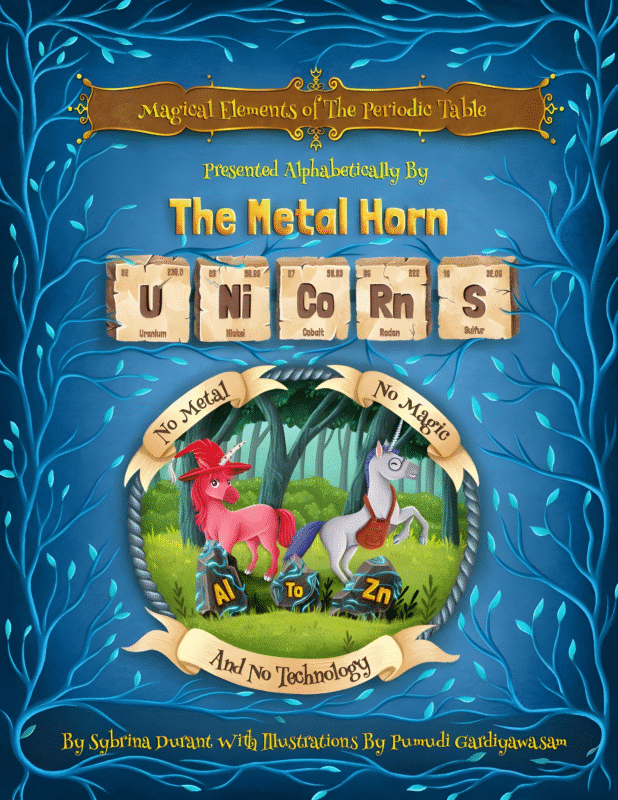
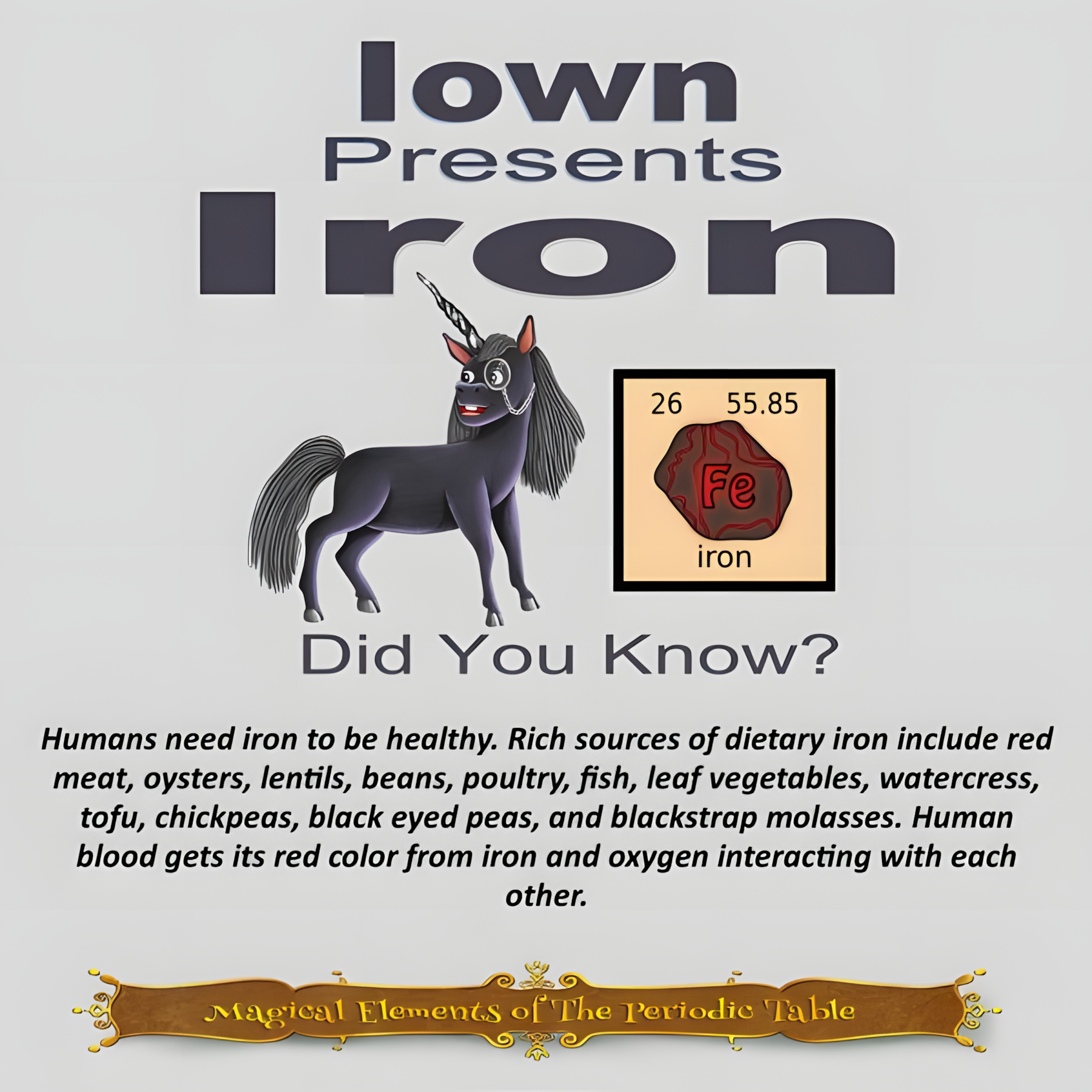
This article is brought to you by Sybrina Durant, the author of the middle grade picture book, Magical Elements of the Periodic Table Presented Alphabetically By The Metal Horn Unicorns. Learn More. In that book Iron is presented by the unicorn, Iown.


Inter-Active Elemental Fantasy-Themed Periodic Table from Magical Elements of the Periodic Table Presented By The Magical Elementals
Click here to use This Inter-Active Viewer To Learn More About The Elements Each Elemental Represents On This Periodic Table. Want this in a 24″ x 36″ Poster? Click here.

Sybrina Publishing Offers Fun Activities Based On The Book
Magical Elements of the Periodic Table Magical Elementals
Browse Magical Elemental Activities at MagicalPTElements or Sybrina-Publishing on TPT or Classful