
The Origin of Lead: A Comprehensive Look at its Extraction and Processing

Lead, a dense, malleable, and highly toxic metal, has been utilized by humanity for thousands of years. Its ancient usage in various applications has shaped civilizations and shaped history. But where does lead come from? Does it occur in nature as a pure element, or is it extracted from other sources? In this article, we will explore the origin of lead, its extraction process, commercial processing methods, major mining and production countries, and the environmental impact associated with these activities.
Unlike some elements like gold or silver, lead does not occur in nature as a pure element. Instead, it is primarily found in mineral ores, mainly the sulfide ore called galena (lead sulfide). Galena is widely distributed and can be found in many parts of the world. Mexico, the United States, Peru, and Australia are some of the countries with significant reserves of galena. Other minor sources of lead-containing minerals include anglesite (lead sulfate) and cerussite (lead carbonate).
The process of lead extraction from these minerals involves several steps. First, the sulfide ore (galena) is crushed and concentrated to separate the lead-containing mineral from other impurities. This concentration process typically utilizes froth flotation, a technique where finely ground ore is mixed with water and chemicals, which selectively attach to the particles of lead minerals, allowing them to float on the surface of the mixture.
Once the lead-bearing minerals are separated, they are further processed to remove impurities like sulfur, zinc, and copper. This step is crucial as the purity of lead affects its quality and suitability for different applications. The extracted lead is then smelted in a furnace to separate it from other impurities and obtain pure lead. This process, called smelting, involves melting lead sulfide or lead-containing minerals at high temperatures, where the metal separates from the unwanted minerals and is collected.
Commercially, lead is processed into various forms to meet specific industry requirements. One of the primary forms of lead is lead-acid batteries, which are commonly used in vehicles, emergency power backups, and renewable energy systems. Lead is also used in various alloys, such as solder for electronics and pipes, ammunition, radiation shielding, and as a pigment in paints. Additionally, lead compounds find applications in the production of glass, ceramics, and plastics.

When it comes to lead mining, China is the leading global producer, followed by Australia, the United States, Peru, and Russia. China alone accounts for approximately half of the world’s lead production. This concentration of production has significant environmental implications. Lead mining and processing operations can release harmful pollutants into the air, water, and soil, leading to serious health risks for both humans and wildlife. The extraction of lead from the Earth can result in the contamination of surrounding ecosystems, causing long-term damage to flora and fauna.
Countries with significant lead mining activities need to adopt stringent environmental regulations to mitigate these adverse effects. Effective waste management practices, reclamation of mined-out areas, and regular monitoring of air, water, and soil quality are critical in minimizing the environmental impact associated with lead mining and processing. The implementation of such measures can reduce pollution, protect ecosystems, and safeguard human health.
Regarding lead production, China is also the largest producer, followed by the United States and India. These countries have well-developed lead processing industries and cater to global demand. The production of lead and lead-based products contributes significantly to these countries’ economies and provides employment opportunities.
In conclusion, lead does not occur in nature as a pure element but is primarily extracted from the mineral ore galena. The extraction process involves crushing, concentrating, and smelting to obtain pure lead. Commercial processing of lead results in various forms, including lead-acid batteries, alloys, and lead compounds used in multiple industries. China is the leading producer of lead, both in terms of mining and processing, followed by other countries like Australia and the United States.
However, the concentration of lead mining in certain countries raises environmental concerns due to the release of pollutants and its impact on ecosystems. It is crucial for these countries to prioritize sustainable mining practices and implement stringent regulations to minimize environmental damage. By striking a balance between economic growth and environmental protection, the negative effects of lead mining and processing can be mitigated, ensuring a healthier planet for future generations.
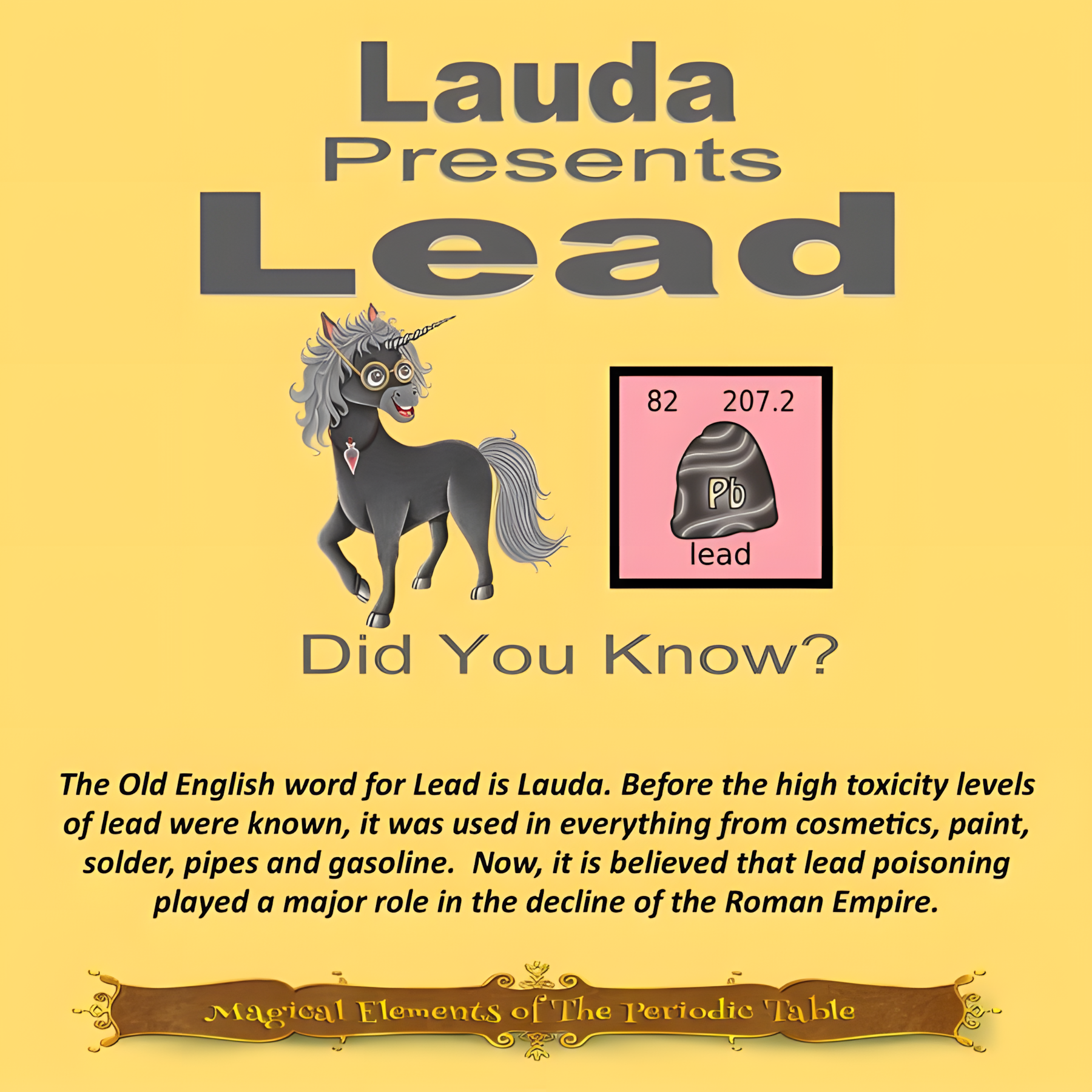
This article is brought to you by Sybrina Durant, the author of the middle grade picture book, Magical Elements of the Periodic Table Presented Alphabetically By The Metal Horn Unicorns. Learn More. In that book Lead is presented by the unicorn, Lauda.


Inter-Active Elemental Fantasy-Themed Periodic Table from Magical Elements of the Periodic Table Presented By The Magical Elementals
Click here to use This Inter-Active Viewer To Learn More About The Elements Each Elemental Represents On This Periodic Table. Want this in a 24″ x 36″ Poster? Click here.

Sybrina Publishing Offers Fun Activities Based On The Book
Magical Elements of the Periodic Table Magical Elementals
Browse Magical Elemental Activities at MagicalPTElements or Sybrina-Publishing on TPT or Classful