
Platinum: Unearthing the Precious Metal
Platinum, renowned for its lustrous beauty and remarkable resistance to corrosion, is a rare and valuable metal that has captivated civilizations for centuries. In this article, we delve into the origin of platinum – its occurrence in nature as a pure element, the extraction process, commercial processing, major mining countries, and the environmental effects of its extraction.
To begin, it is important to note that platinum does not occur naturally as a pure element. Unlike gold, which can be found in its elemental state, platinum is primarily found in combination with other metals. The most common form of natural platinum is as an alloy, often mixed with iron, palladium, rhodium, ruthenium, and osmium. These alloys are known as platinum group metals (PGMs) and include the six elements mentioned above.
When it comes to the extraction of platinum, the main sources are platinum-rich ores found in platinum mines. The mining process involves several steps. First, prospecting and exploration activities are conducted to identify potential mining sites. Once a suitable site is located, the land is cleared, and the topsoil is removed to access the ore body. The extraction of platinum-rich ores typically involves underground mining, with shafts leading to tunnels where the ores are found. These ores are then crushed and ground into a fine powder for further processing.
Commercial processing of platinum involves a series of complex steps. After the ores are crushed and grounded, they are mixed with water to create a slurry. Various reagents are added to the mixture to separate platinum from other metals. Froth flotation, one of the most critical processes, is employed to separate the platinum-containing sulfide minerals from the rest of the slurry. This froth, enriched with platinum, is then subjected to further refining processes to remove impurities and obtain pure platinum. The final steps involve smelting and refining to produce the marketable form of platinum.

While platinum is found in several countries, South Africa is the largest producer, accounting for approximately 70% of the global production. The Bushveld Igneous Complex, located in northeastern South Africa, is known to host the largest platinum deposits in the world. Other major producers include Russia, Zimbabwe, Canada, and the United States.
The significant presence of platinum mining in South Africa has both positive and negative impacts on the environment. On one hand, mining activities have provided employment opportunities and economic growth to the region. Platinum mining also contributes to the country’s export revenue, supporting its overall economy. However, the extraction process poses significant environmental challenges. The open-pit mining method, often employed in South Africa, causes habitat destruction, soil erosion, and water pollution. Additionally, the smelting and refining processes release harmful emissions and waste materials that can harm ecosystems and human health if not properly managed. To mitigate these environmental concerns, companies are implementing various measures such as strict waste management practices and rehabilitation of mining areas.
In terms of commercial production, aside from being the largest producer, South Africa also holds the distinction of being the leading global manufacturer of refined platinum. The country possesses advanced refining facilities that enable it to process the extracted platinum into various commercial forms. These forms include bars, ingots, powders, and catalytic converters, which find applications in jewelry, electronics, automotive industries, and various other sectors. In addition to South Africa, other major producers of commercial platinum include Russia, Canada, and Zimbabwe.
In conclusion, platinum’s origin lies in platinum-rich ores that are primarily found in mines. While platinum does not occur naturally as a pure element, it is extracted and commercially processed through various refining methods. South Africa is the largest platinum mining and refining country, which significantly impacts its environment. However, other countries, such as Russia, Canada, and Zimbabwe, also contribute significantly to the overall worldwide platinum production. The journey of platinum from its mining sites to its commercial use showcases the intricacies and importance of this rare, valuable, and beautiful metal.
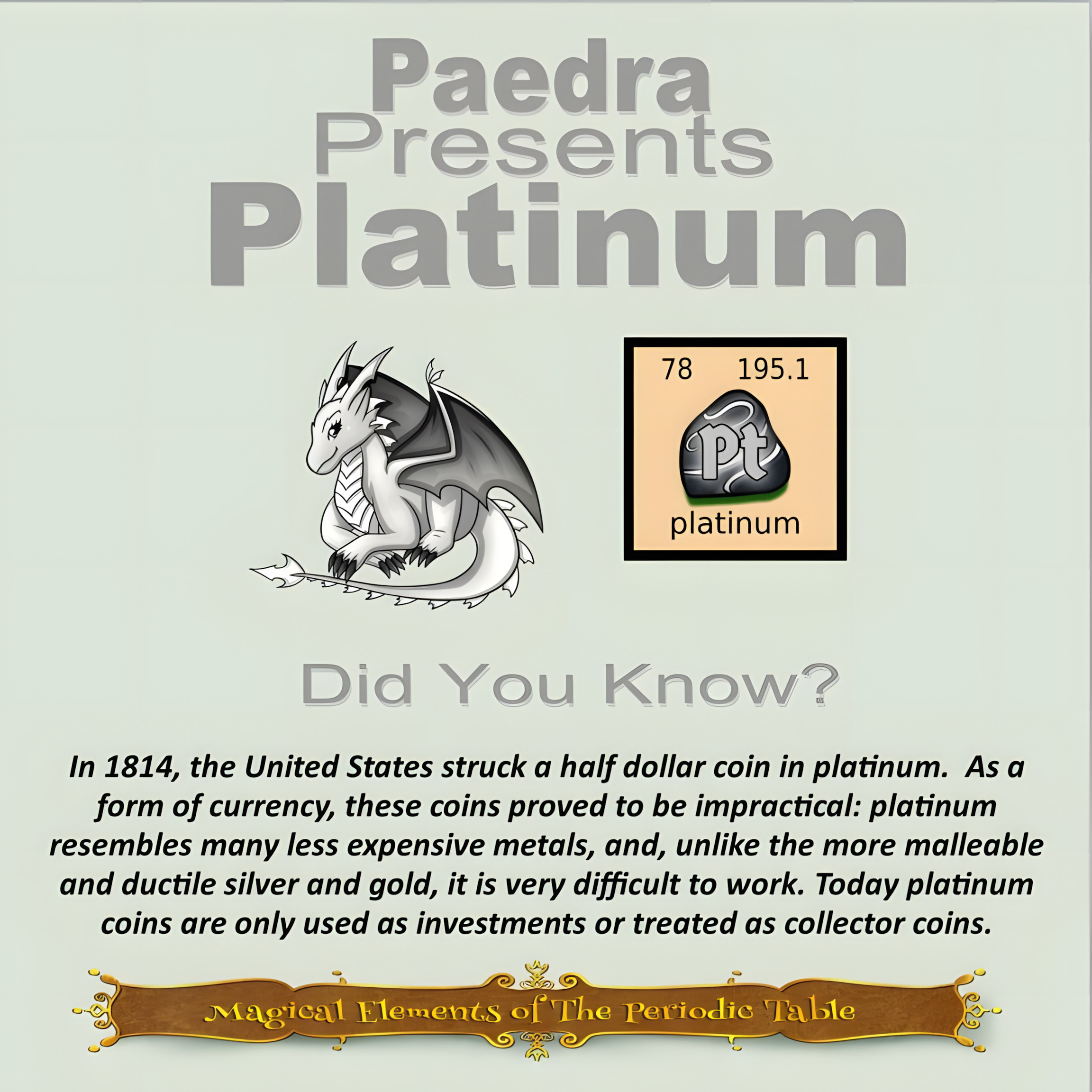
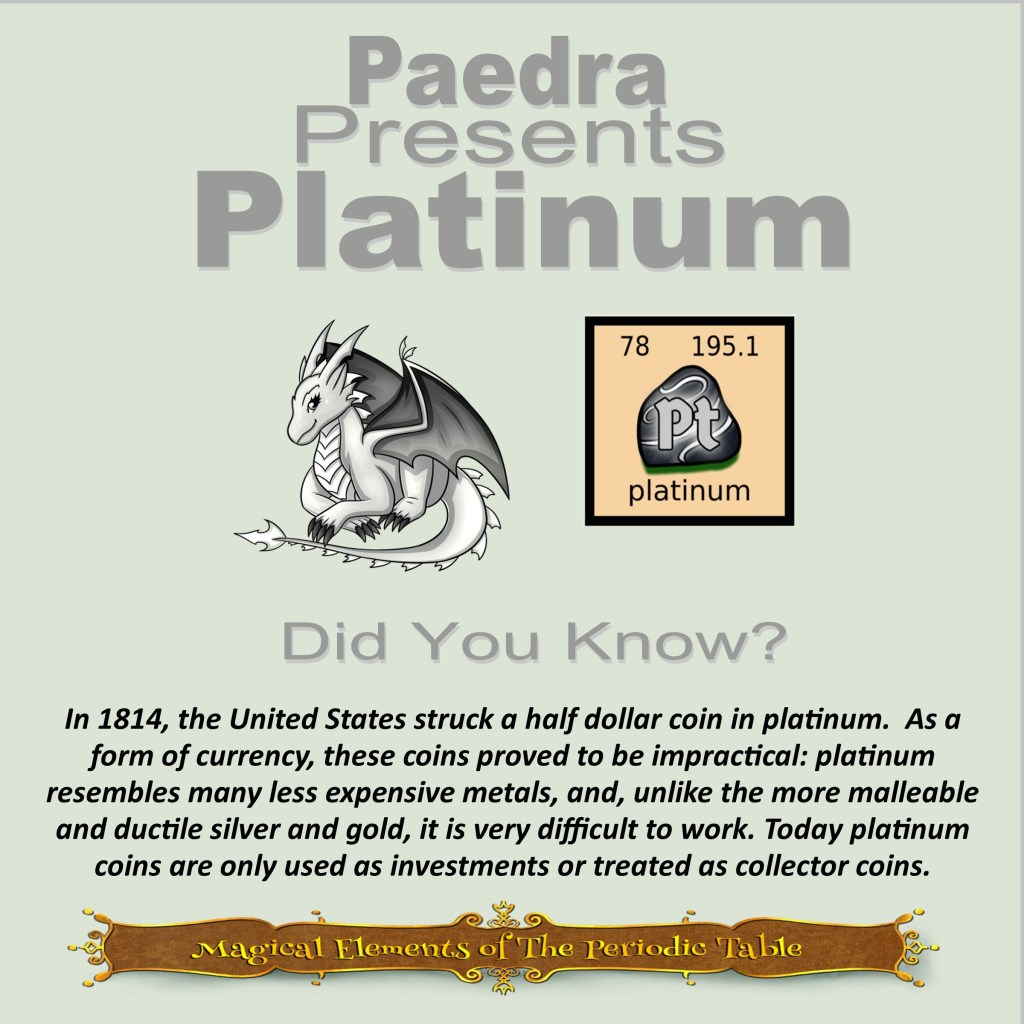
This article is brought to you by Sybrina Durant, the author of the middle grade picture book, Magical Elements of the Periodic Table Presented Alphabetically By The Elemental Dragons. Learn More. In that book Platinum is presented by the dragon, Paedra.


Inter-Active Elemental Fantasy-Themed Periodic Table from Magical Elements of the Periodic Table Presented Alphabetically by The Elemental Dragon Clan
Click here to use This Inter-Active Viewer To Learn More About The Elements Each Elemental Represents On This Periodic Table. Want this in a 24″ x 36″ Poster? Click here.

Sybrina Publishing Offers Fun Activities Based On The Book
Magical Elements of the Periodic Table Magical Elementals
Browse Magical Elemental Activities at MagicalPTElements or Sybrina-Publishing on TPT or Classful