
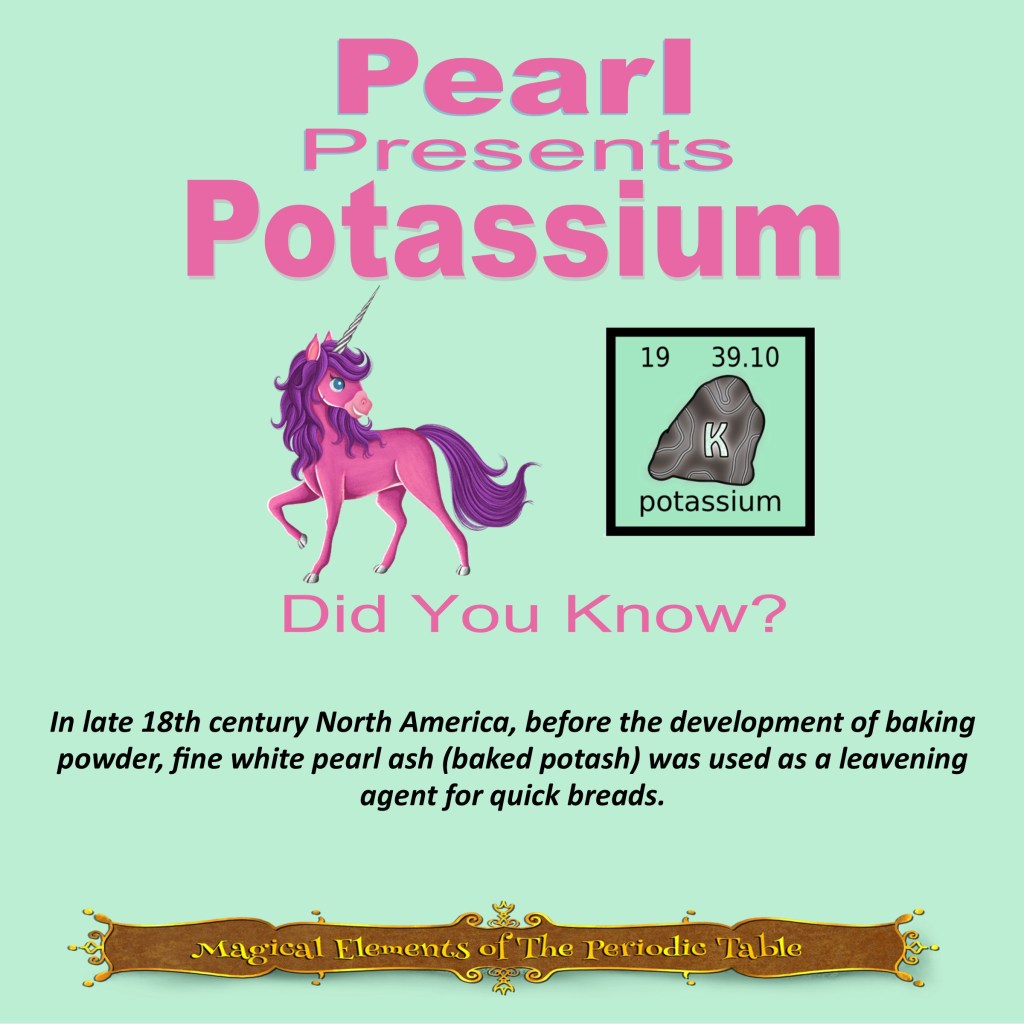
Potassium, a chemical element with the symbol K, is an essential mineral for all living organisms. It plays a crucial role in various physiological processes, such as maintaining fluid balance, transmitting nerve impulses, and activating enzymes. While it is commonly found in nature, pure elemental potassium is not naturally occurring due to its high reactivity. In this article, we will explore the origin of potassium, its extraction processes, commercial processing, the countries that mine and produce the most, and the environmental impacts associated with its mining.
Potassium is the seventh most abundant element in the Earth’s crust, making up around 2.4% of the total mass. However, it is bound within minerals and compounds, and it does not exist as a pure element in nature. Potassium compounds can be found in many rocks and minerals, such as potassium feldspar, mica, and clay. These minerals are primarily found in sedimentary rocks.
To obtain potassium for commercial use, it needs to be extracted from its mineral sources. The mining process usually involves the extraction of potassium-containing ores through underground or open-pit mining techniques. The type of mining method employed depends on the location and quality of the ore deposit.
Once the ore is extracted, it is processed using various techniques to obtain usable potassium compounds. One common method is called flotation, where the ore is crushed and ground into a fine powder. It is then mixed with water and chemicals to separate valuable minerals from the unwanted rock. Potassium-containing minerals can then be concentrated and further processed to extract potassium in the form of various compounds such as potassium chloride (KCl) or potassium carbonate (K2CO3).
The commercially processed potassium compounds undergo refining processes to eliminate impurities, ensuring that the final products meet industrial standards. These compounds are used in a wide range of applications, including fertilizers, food additives, pharmaceuticals, and manufacturing processes.
When it comes to potassium mining and production, several countries are significant players. As of 2021, the leading potassium-mining country is Canada, with Russia, Belarus, China, and Germany also contributing to global production. Canada’s dominance in potassium mining is mainly due to the vast reserves found in Saskatchewan, particularly the Belle Plaine and Esterhazy mines. These mines contain large deposits of potassium-rich minerals, allowing for substantial extraction.
However, the mining and production of potassium are not without their environmental impacts. The extraction process can result in habitat destruction and soil erosion, especially in open-pit mining operations. It can also lead to the contamination of nearby water sources due to the release of chemicals used in processing.
Furthermore, the widespread use of potassium fertilizers, derived from commercially processed potassium compounds, can have environmental consequences. The excessive application of potassium fertilizers can contribute to water pollution as the excess potassium leaches into nearby rivers and lakes. This can lead to eutrophication, a process in which excessive nutrients cause algal blooms and harm aquatic ecosystems.
In conclusion, while potassium is an essential mineral for various biological processes, it does not occur naturally as a pure element. It is extracted from potassium-containing ores, primarily through mining processes. The commercially processed potassium compounds are used in numerous industries worldwide. Canada stands as the leading potassium-mining country, but other nations like Russia, Belarus, China, and Germany also play significant roles. However, it is crucial to recognize and address the environmental impacts associated with potassium mining, including habitat destruction, soil erosion, and water pollution.
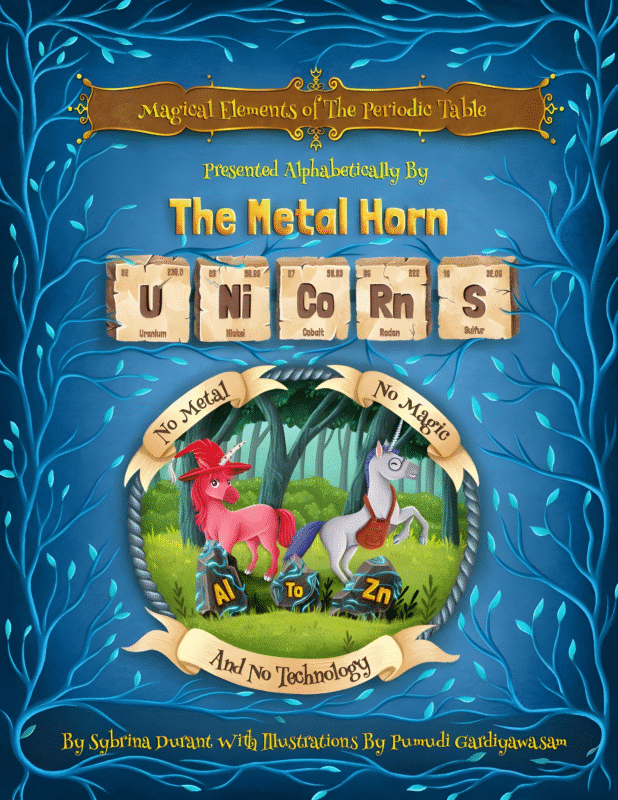
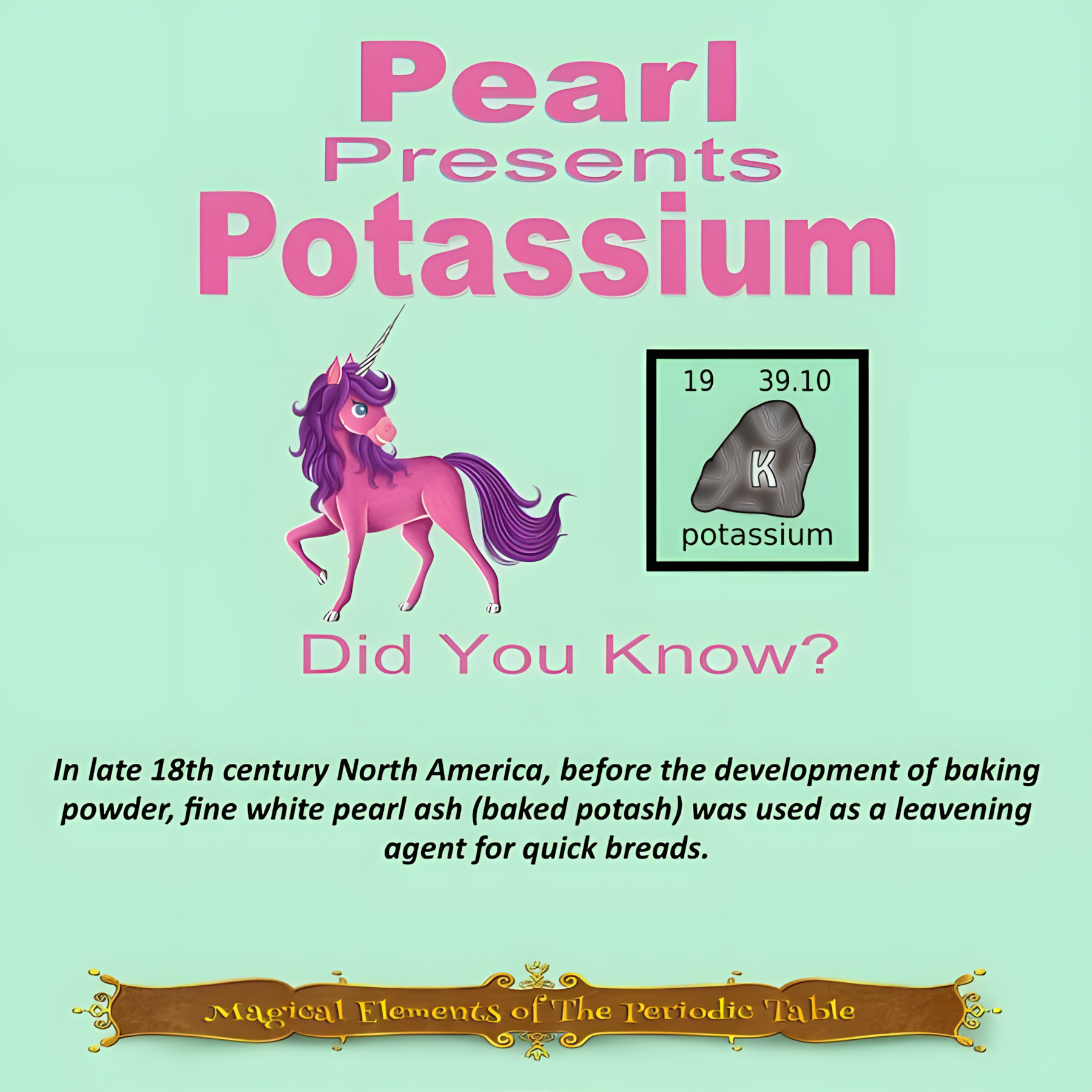
This article is brought to you by Sybrina Durant, the author of the middle grade picture book, Magical Elements of the Periodic Table Presented Alphabetically By The Metal Horn Unicorns. Learn More. In that book Potassium is presented by the unicorn, Pearl.


Inter-Active Elemental Fantasy-Themed Periodic Table from Magical Elements of the Periodic Table Presented Magical Elementals
Click here to use This Inter-Active Viewer To Learn More About The Elements Each Elemental Represents On This Periodic Table. Want this in a 24″ x 36″ Poster? Click here.

Sybrina Publishing Offers Fun Activities Based On The Book
Magical Elements of the Periodic Table Magical Elementals
Browse Magical Elemental Activities at MagicalPTElements or Sybrina-Publishing on TPT or Classful