
Ytterbium: Exploring the Origins and Extraction of a Valuable Element
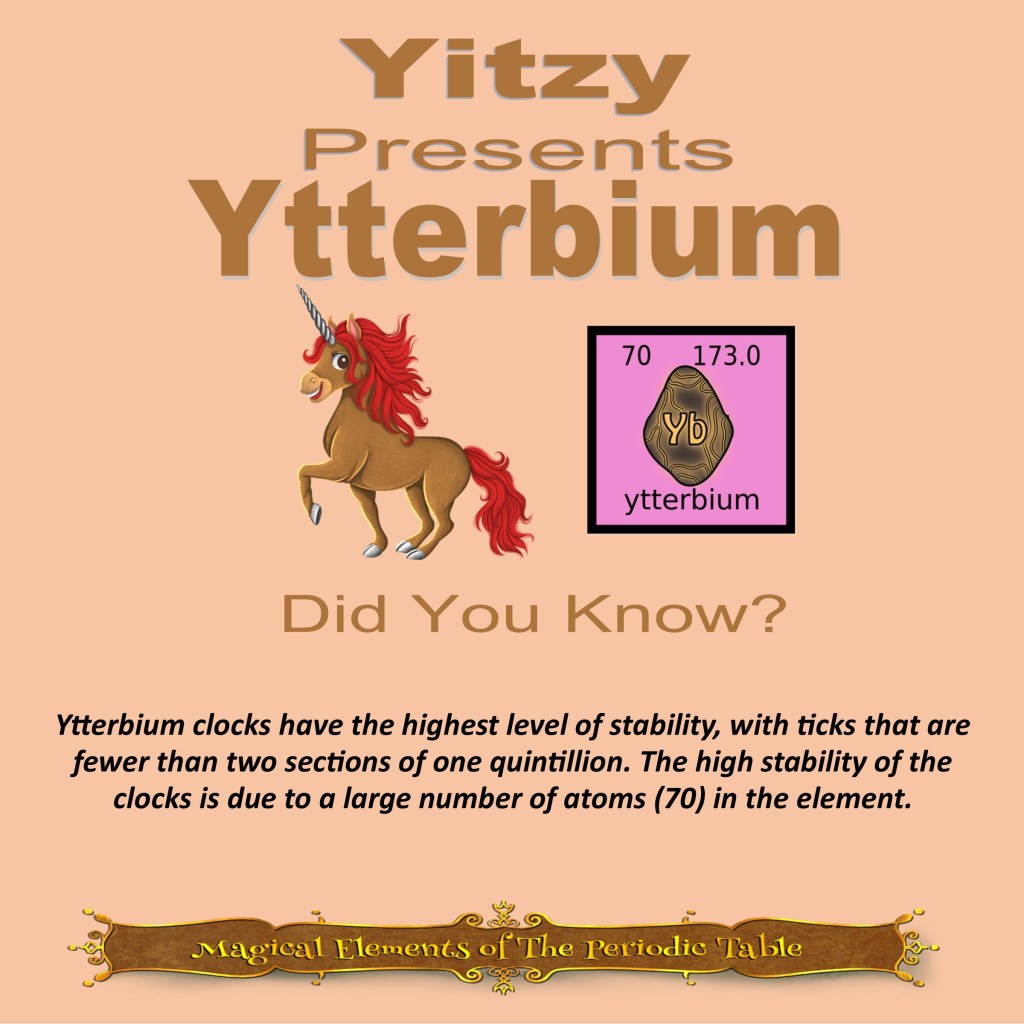
Ytterbium, symbolized as Yb in the periodic table, is a rare earth element with atomic number 70. It was discovered in the early 19th century by a Swedish chemist, Carl Gustaf Mosander. Ytterbium is rich in applications, particularly in the field of science and technology. In this article, we will delve into the origin of ytterbium, its occurrence in nature, extraction processes, commercial processing, mining economies, and the environmental implications associated with its production.
Ytterbium Occurrence and Purity:
Ytterbium is not found in its pure form in nature. Rather, it is most commonly found in association with other rare earth elements in minerals such as xenotime and monazite. These minerals are typically extracted from various ores and then subjected to extensive chemical processing to isolate ytterbium. As a result, obtaining pure ytterbium is a complex and tedious process.
Mining and Extraction:
To extract ytterbium from its mineral ores, a mining process is initiated. However, it is worthwhile to note that ytterbium is not mined as the sole target – it is often obtained as a byproduct during the extraction of other rare earth elements. Australia, China, the United States, and Brazil are some of the major producers of ytterbium.
The primary mining process for ytterbium involves the extraction of ores containing rare earth minerals through traditional open-pit or underground mining methods. Once the ores are extracted, they are sent for further processing. Separation techniques, such as flotation, gravity separation, and magnetic separation, are employed to isolate the desired rare earth elements, including ytterbium, from the ore.
Commercial Processing:
After the ores are processed to extract ytterbium, further refinement steps are undertaken to obtain high-purity ytterbium. These refining processes typically involve solvent extraction, ion exchange, or fractional crystallization techniques. The final refined product is a relatively pure form of ytterbium suitable for commercial and industrial applications.
Leading Ytterbium Producers and Environmental Impact:
China is the largest producer of ytterbium, accounting for over 80% of the global production. However, this concentration of production raises concerns about environmental sustainability and the potential impact on the surrounding ecosystems. The mining and extraction processes can lead to the release of harmful pollutants and radioactive materials into the environment.
The extraction of ytterbium, along with other rare earth elements, often involves the use of chemical reagents that can contaminate water sources and soil. Additionally, the disposal of mining waste, known as tailings, raises the risk of soil and water pollution if not managed appropriately. Furthermore, the extraction process requires large amounts of energy, contributing to carbon emissions and climate change.
Commercial Production:
While China dominates in terms of ytterbium mining, the commercial production of ytterbium-based products extends beyond its borders. Countries like the United States, Germany, Japan, and Russia are actively involved in commercial processing, refining, and manufacturing various applications of ytterbium.
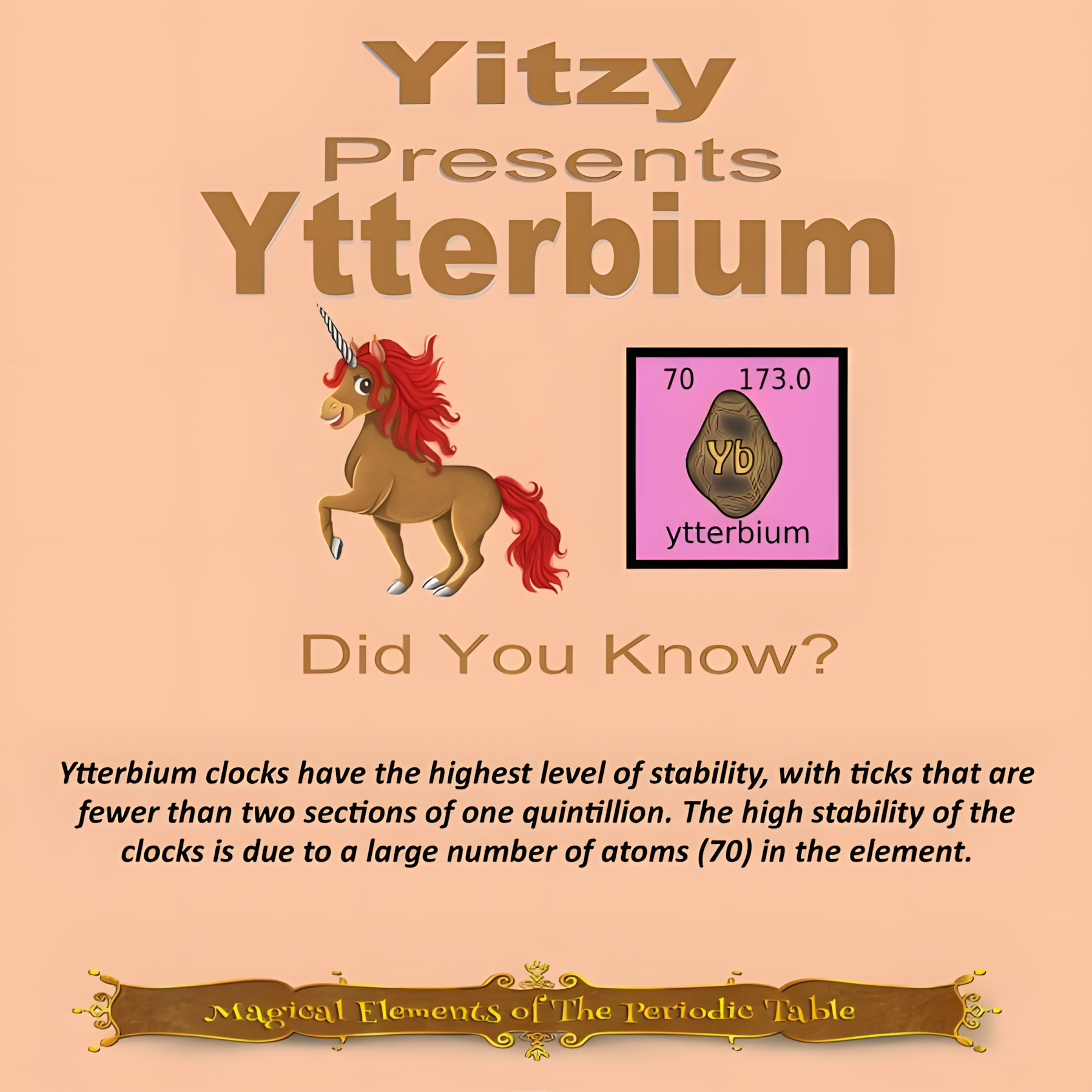
The applications of ytterbium are broad and diverse. It finds usage in lasers, fiber optics, medical imaging, inks, catalysts, and many other technological advancements. Furthermore, ytterbium is also utilized in the research and development of atomic clocks due to its unique magnetic and electronic properties.
In conclusion, ytterbium, a rare earth element, is not found in nature as a pure element. It is extracted from minerals containing rare earth elements, predominantly through mining processes targeting other valuable metals. Despite its limited occurrence, ytterbium has found numerous applications in technology and science. Unfortunately, the concentration of mining and production in certain countries has environmental implications. As the demand for ytterbium grows, it is crucial to explore sustainable mining practices while minimizing its environmental impact.
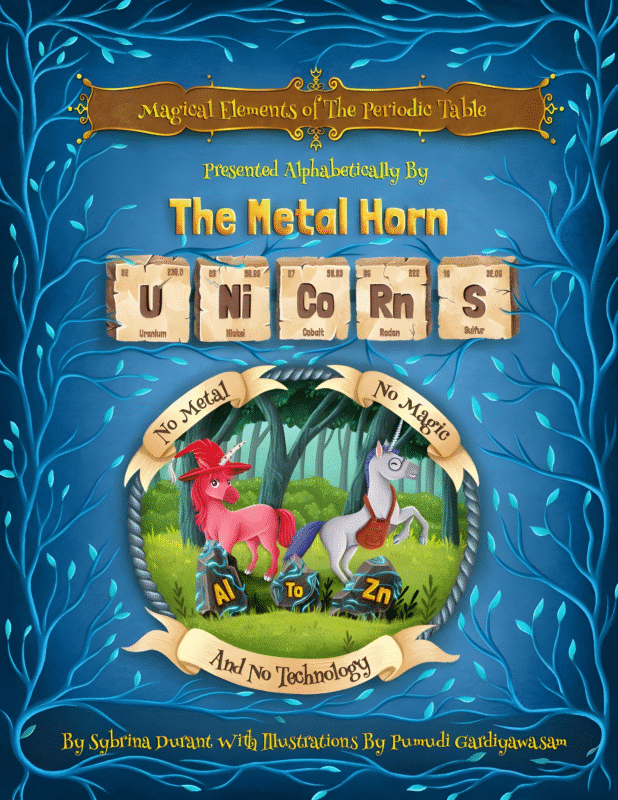
This article is brought to you by Sybrina Durant, the author of the middle grade picture book, Magical Elements of the Periodic Table Presented Alphabetically By The Metal Horn Unicorns. Learn More. In that book Ytterbium is presented by the unicorn, Yitzy.


Inter-Active Elemental Fantasy-Themed Periodic Table from Magical Elements of the Periodic Table Presented Magical Elementals
Click here to use This Inter-Active Viewer To Learn More About The Elements Each Elemental Represents On This Periodic Table. Want this in a 24″ x 36″ Poster? Click here.

Sybrina Publishing Offers Fun Activities Based On The Book
Magical Elements of the Periodic Table Magical Elementals
Browse Magical Elemental Activities at MagicalPTElements or Sybrina-Publishing on TPT or Classful