Then and Now – The Periodic Table Element – Fluorine

Then and Now – The Periodic Table Element – Fluorine. Fluorine, the highly reactive and electronegative chemical element, was first isolated in 1886 by Henri Moissan. It quickly garnered attention for its unique properties, engendering great excitement in the scientific community. Chemists anticipated its potential applications across various industries, but over time, the impracticality and hazards associated with its use led to the abandonment of many early applications. In this article, we explore the first uses of fluorine and the reasons why it is no longer employed for those purposes today. Read more.

Continue reading

Then and Now – The Periodic Table Element – Rubidium

Then and Now – The Periodic Table Element – Rubidium. Rubidium, a silvery-white alkali metal, made its debut in the scientific world in the early 1860s. It quickly gained attention for its unique properties and potential applications in various fields. While it held promise in its early years, the use of rubidium gradually declined due to several limitations and the emergence of more suitable alternatives. In this article, we will explore the first uses of rubidium and delve into the reasons behind its eventual obsolescence. Read more.

Continue reading

Then and Now – The Periodic Table Element – Gold

Then and Now – The Periodic Table Element – Gold. Amidst the vast spectrum of precious metals, one name has consistently gleamed throughout history – gold. Throughout ancient civilizations, gold held a place of unmatched exaltation, not only as a symbol of wealth and power but through its diverse applications in various spheres of human endeavor. In this article, we delve into the first uses of gold and explore the reasons why it is no longer extensively employed for those purposes. Read more.

Continue reading

Then and Now – The Periodic Table Element – Silver

Then and Now – The Periodic Table Element – Silver. Silver has been recognized for centuries as a precious metal, valued for its beauty and durability. Throughout history, silver has played many roles, including being widely used as currency, an art medium, and even a medicinal remedy. However, over time, technological advancements and evolving societal needs have rendered silver less indispensable for certain purposes, leading to its decreased usage in various sectors. This article delves into the first uses of silver and provides insights into why it is no longer as widely employed for those purposes. Read more.

Continue reading

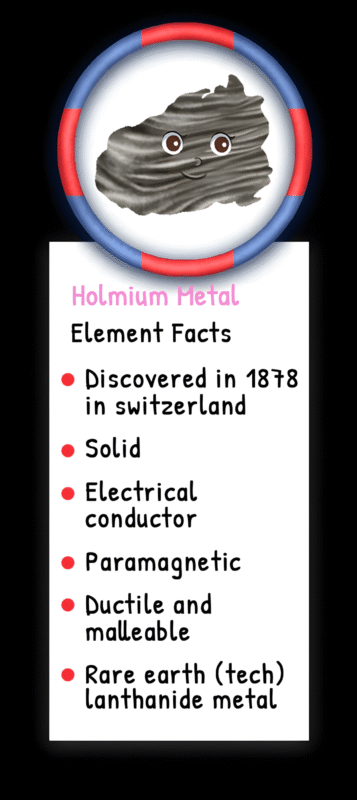
Then and Now – The Periodic Table Element – Holmium

Then and Now – The Periodic Table Element – Holmium. In the world of science and industry, certain elements shine brightly for a brief moment before slowly fading into obscurity. One such element is holmium (Ho), which initially held great promise due to its unique properties. This article delves into the history of holmium, exploring its first uses and the reasons behind its subsequent decline and limited application. Read more.

Continue reading

Then and Now – The Periodic Table Element – Tin

Then and Now – The Periodic Table Element – Tin. Tin, a versatile metal with a long history of human use, has served myriad purposes throughout the ages. From ancient civilizations to the modern world, this resilient and malleable material has been utilized in various applications. However, as time progressed and new discoveries were made, alternative materials were found to be more suitable for certain purposes. In this article, we explore the first uses of tin and the reasons why it is no longer extensively used for those purposes. Read more.

Continue reading

Then and Now – The Periodic Table Element – Iron

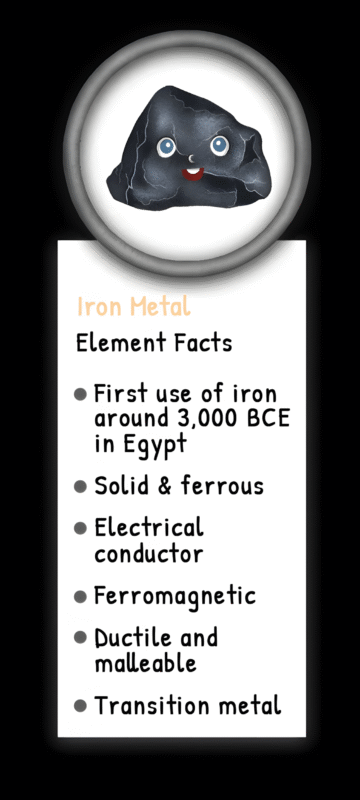
Then and Now – The Periodic Table Element – Iron. Throughout human history, the discovery and utilization of new materials have played a vital role in shaping our civilization. One such material that revolutionized multiple industries in its early days was iron. The first indications of iron’s use date back to ancient civilizations, bringing newfound strength and durability to tools, weapons, and structures. However, as technological advancements flourished over time, iron gradually became obsolete in certain areas. This article explores the initial uses of iron and the reasons why it is no longer employed for those purposes today. Read more.

Continue reading

Then and Now – The Periodic Table Element – Uranium

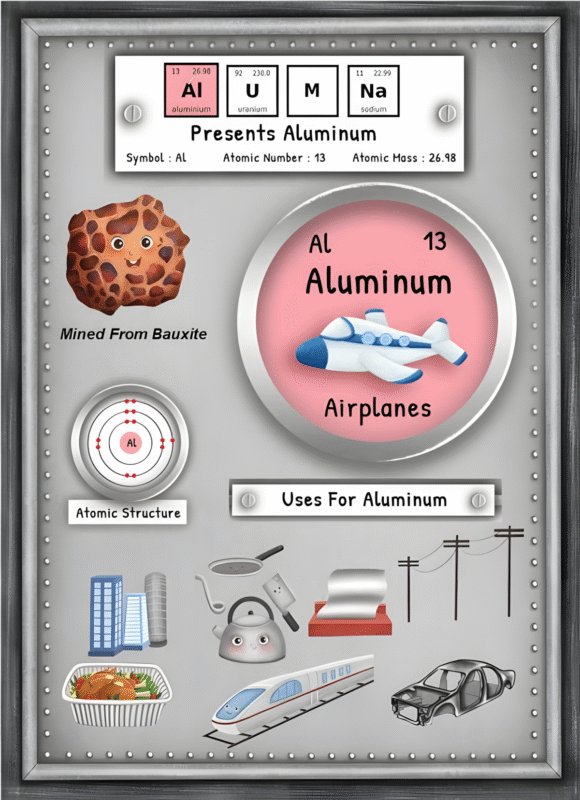
Then and Now – The Periodic Table Element – Uranium. Uranium, a naturally occurring radioactive element, has not always been associated only with nuclear power and weapons. In the early 20th century, uranium’s unique properties and impressive energy potential led to its exploration and use in various applications. However, as we gained a deeper understanding of its long-term effects and the alarming dangers associated with radioactivity, the use of uranium for non-nuclear purposes gradually declined. This article aims to shed light on the first uses of uranium and the reasons behind its diminishing usage. Read more.

Continue reading

Then and Now – The Periodic Table Element – Iodine

Then and Now – The Periodic Table Element – Iodine. Iodine, a chemical element indispensable for human health, has a long history of use dating back centuries. From its discovery to its early applications as an antiseptic and wound-healing agent, iodine played a significant role in medical practices worldwide. However, as an understanding of iodine’s potential drawbacks and advancements in medical technology emerged, alternative treatments replaced its traditional uses. This article explores the first uses of iodine and the reasons behind its decline in popularity for certain purposes. Read more.

Continue reading

Then and Now – The Periodic Table Element – Vanadium

Then and Now – The Periodic Table Element – Vanadium. Vanadium, a transition metal discovered by Spanish scientist Andrés Manuel del Río in 1801, was once heralded as a promising material with myriad uses. In the early years, it found application in various industries, thanks to its remarkable properties. However, over time, other materials emerged as more cost-effective alternatives, ultimately leading to a decline in the use of vanadium for those purposes. This article explores the intriguing early uses of vanadium and the reasons behind its eventual abandonment for those applications. Read more.

Continue reading