author-avatar

About magicalptelements.com

Sybrina Durant is a unicorn authorpreneur who also dabbles in dragons, wizards, knights and goblins.

January Birthstone - Garnet

Garnet – Birthstone for January – Where Do They Come From

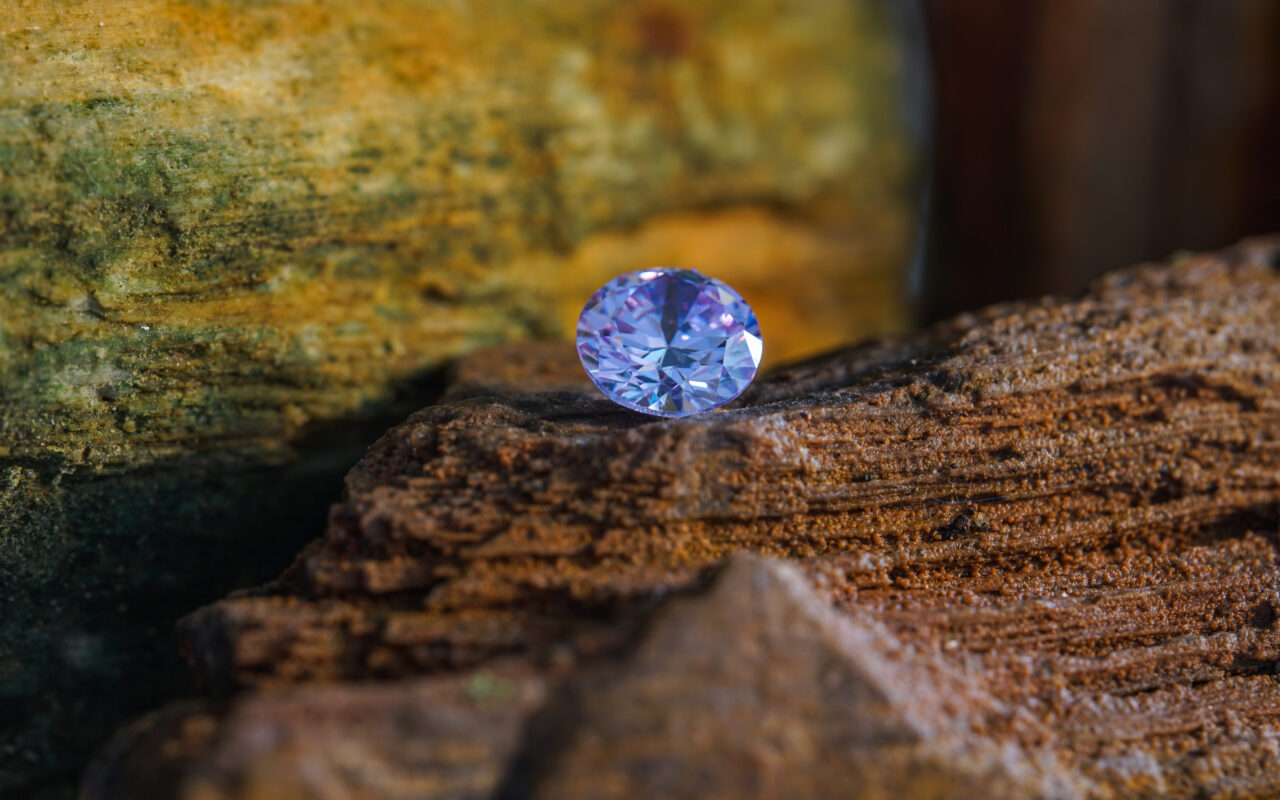
Garnet – Birthstone for January – Where Do They Come From – January’s birthstone is garnet, a vibrant gemstone renowned for its rich red hue, reminiscent of pomegranate seeds, although it comes in a variety of colors including yellow, green, and orange. Some garnets even change color from blue to purple under different lighting. Symbolizing prosperity, love, and strength, garnet holds particular significance for those born in January, reflecting themes of renewal and commitment. It embodies love, devotion, passion, protection, and safety for travelers, making it ideal for January’s focus on new beginnings and intentions. – Read more.

Continue reading

How Do We Get It? – Potassium

How Do We Get It? – Potassium. Potassium, a chemical element with the symbol K, is an essential mineral for all living organisms. It plays a crucial role in various physiological processes, such as maintaining fluid balance, transmitting nerve impulses, and activating enzymes. While it is commonly found in nature, pure elemental potassium is not naturally occurring due to its high reactivity. In this article, we will explore the origin of potassium, its extraction processes, commercial processing, the countries that mine and produce the most, and the environmental impacts associated with its mining.

Continue reading

How Do We Get It? – Lead

How Do We Get It? – Lead. The Origin of Lead: A Comprehensive Look at its Extraction and Processing.Lead, a dense, malleable, and highly toxic metal, has been utilized by humanity for thousands of years. Its ancient usage in various applications has shaped civilizations and shaped history. But where does lead come from? Does it occur in nature as a pure element, or is it extracted from other sources? In this article, we will explore the origin of lead, its extraction process, commercial processing methods, major mining and production countries, and the environmental impact associated with these activities.

Continue reading

How Do We Get It? – Molybdenum

How Do We Get It? – Molybdenum.The Origin of Molybdenum: A Rare and Essential Element.Molybdenum, symbolized by the chemical abbreviation Mo, is a rare and versatile metallic element that has played a significant role in various industries since its discovery in the late 18th century. With its remarkable properties, including high melting point and corrosion resistance, molybdenum has found applications in fields ranging from steel production to energy generation. Understanding the origin of molybdenum, its extraction, processing, and mining impact is vital to appreciate its importance in our modern world.

Continue reading

How Do We Get It? – Krypton

How Do We Get It? – Krypton. Krypton, known for its connection to the fictional planet of Superman, is an element that exists in trace amounts in our atmosphere. However, it is not found as a pure element and requires extraction and commercial processing. In this article, we will explore the origin of krypton, its extraction and mining process, commercial processing, the effects of mining on the environment, and the countries that mine and produce the most krypton.

Continue reading

How Do We Get It? – Osmium

How Do We Get It? – Osmium. The Origin and Commercial Production of Osmium. Osmium, with its symbol Os and atomic number 76, is a chemical element belonging to the platinum group metals (PGMs). It is a hard, brittle, and bluish-gray metal that is known for its incredible density, making it one of the heaviest elements found in nature. In this article, we will explore the origins of osmium, its occurrence in nature as a pure element, the mining process, commercial processing, and the countries that mine and commercially produce the most osmium.

Continue reading

How Do We Get It? – Iodine

How Do We Get It? – Iodine. The Origin and Production of Iodine: From Nature to Commercial Use.Iodine is an essential element that plays a crucial role in the human body’s overall health. It is necessary for the functioning of the thyroid gland, which regulates growth and metabolism. This article explores the origin of iodine, its occurrence in nature as a pure element, its extraction process, commercial processing, as well as leading iodine mining and production countries and their environmental impact.

Continue reading

How Do We Get It? – Helium

How Do We Get It? – Helium.Getting Helium: The Journey of a Unique Element. Hey there, science enthusiasts! Have you ever looked up at a balloon sailing high in the sky or watched a bright, colorful party decoration slowly losing its lift? If that balloon floats effortlessly, it’s probably filled with helium, one of the coolest and most fascinating elements on the periodic table! But have you ever wondered how we actually get helium? Let’s dive into the science behind this amazing gas!

Continue reading

How Do We Get It? – Ruthenium

How Do We Get It? – Ruthenium.Ruthenium: Unearthing the Origins and Environmental Impact.Ruthenium, a rare and precious metal, holds a fascinating history and serves numerous industrial applications. Discovered in the early 19th century, this element possesses unique properties that make it an essential component in various fields. In this article, we will delve into the origin of ruthenium, its extraction process, commercial processing, environmental impact, and the top mining and production countries.

Continue reading

How Do We Get It? – Sodium

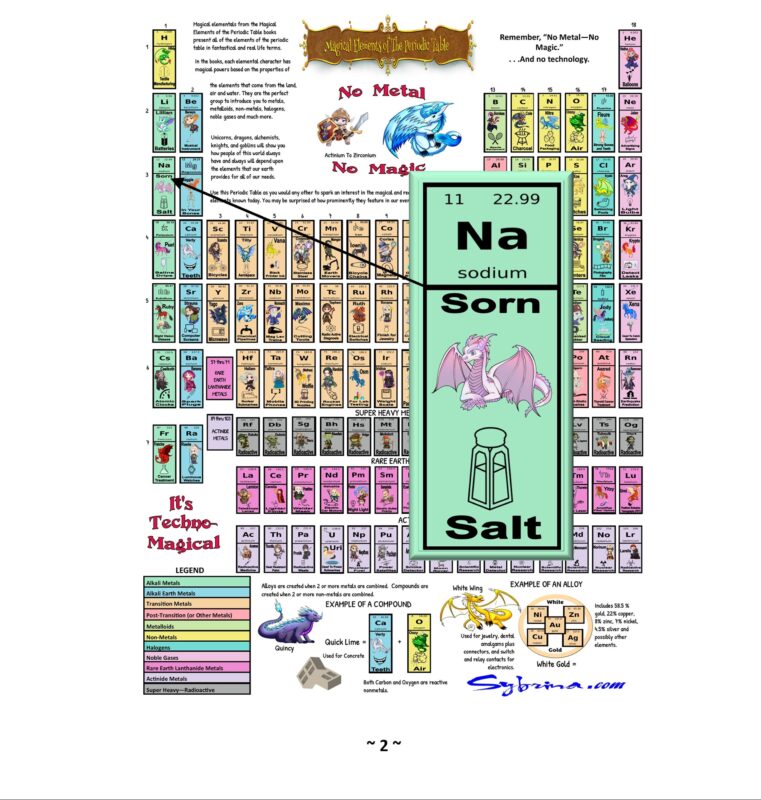
How Do We Get It? – Sodium.The Origin of Sodium: Occurrence, Extraction, Processing, and Environmental Impact.Sodium is an essential element in our daily lives, with various applications in industries ranging from food to medicine. Understanding the origin of sodium, its occurrence in nature, extraction methods, commercial processing, and environmental impact is crucial. This article aims to shed light on these aspects of sodium.

Continue reading