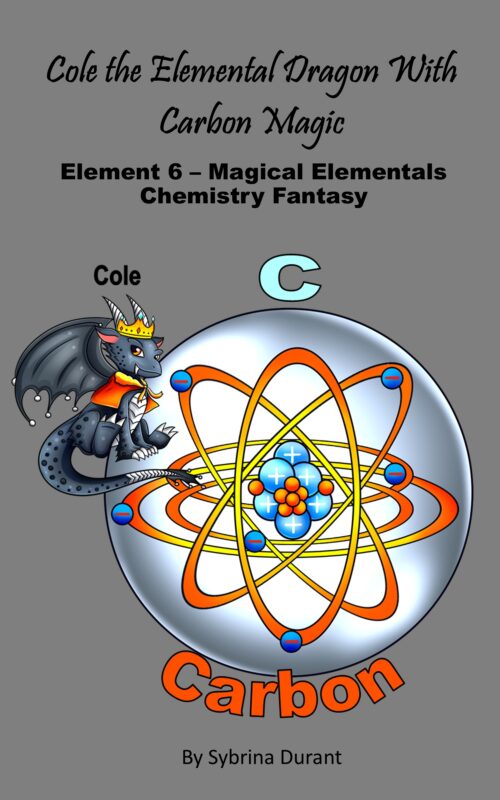

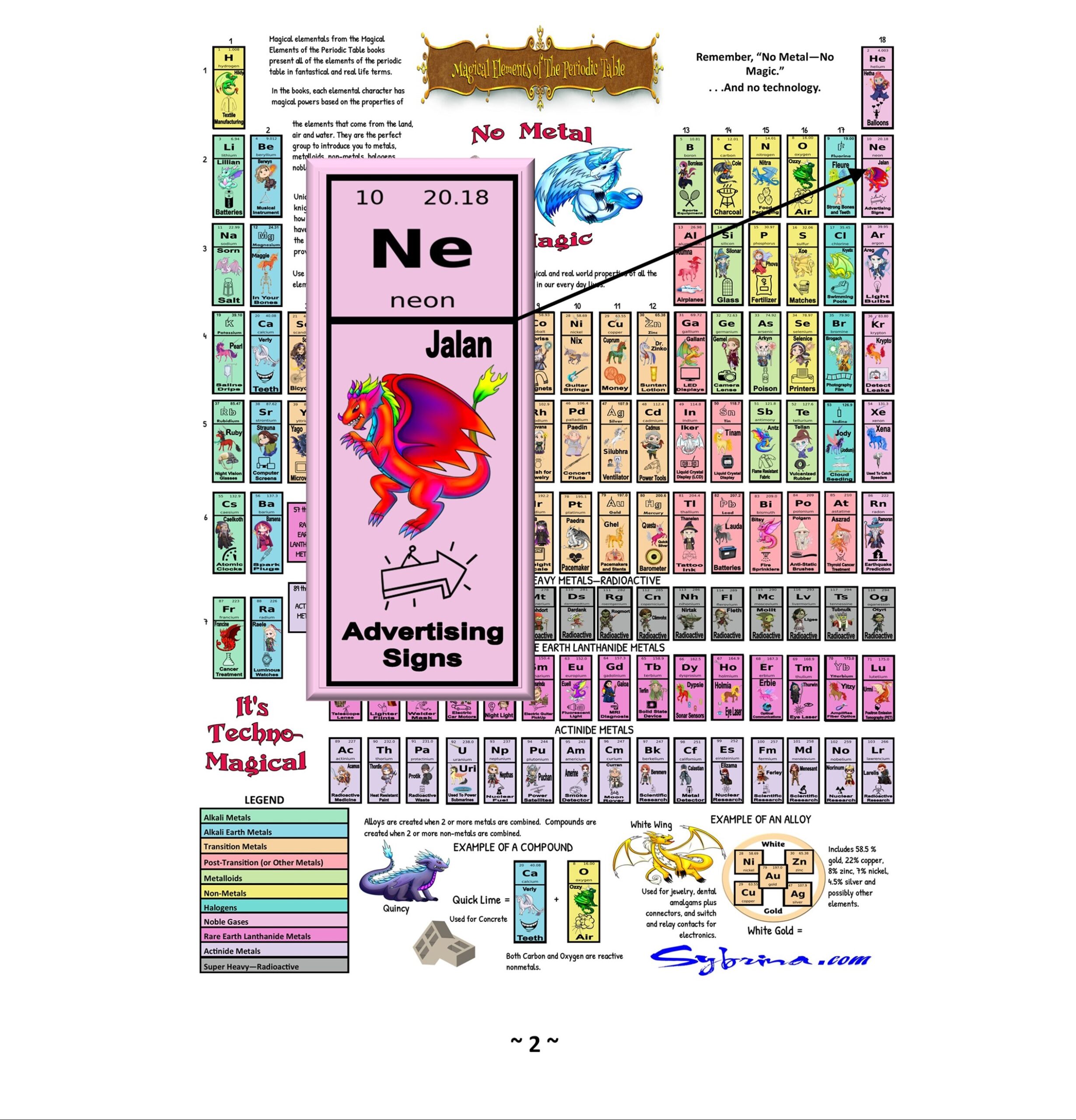
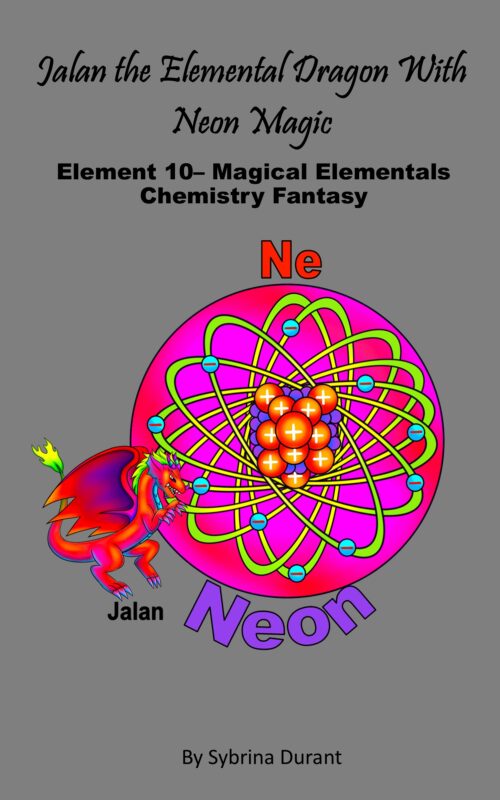
If you’ve ever wished you could step inside a fantasy world where science isn’t the enemy of wonder—where real chemistry concepts power real adventures—then you’re in for something special. Welcome to MarBryn, a breathtaking realm where civilization runs on elemental truth, and every spell, machine, and miracle begins with the one rule everyone learns early:
No Metal, No Magic.
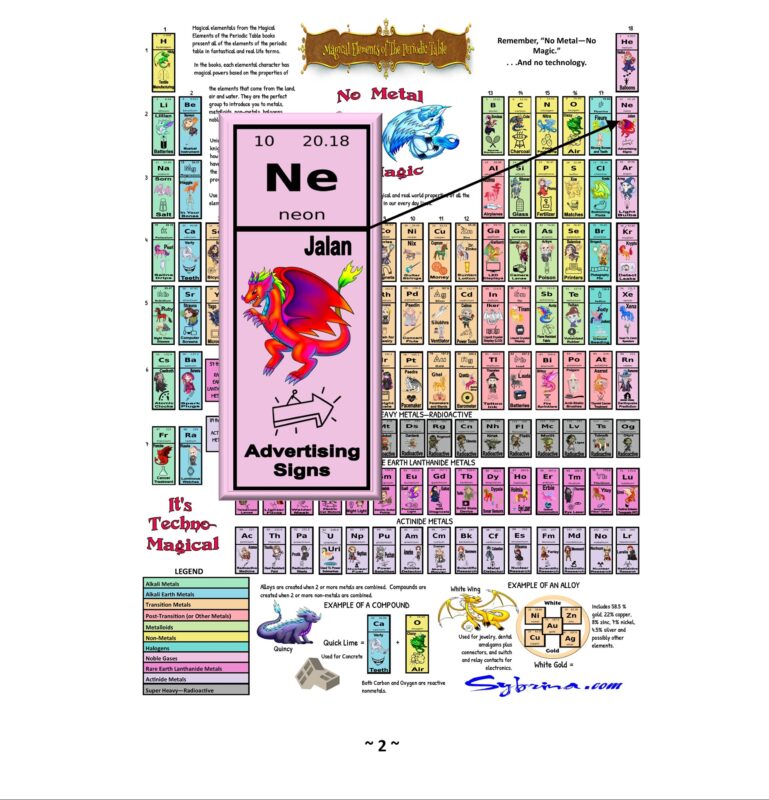
InJalan The Elemental Dragon With Neon Magic: Element 10 — Magical Elementals Chemistry Fantasy Series, the hero isn’t a wizard with a staff. It’s a dragon—calm, analytical, compassionate—whose magical abilities are rooted in one of the most essential elements on the periodic table:
Neon (Element 10)
Because in MarBryn, the elements aren’t just background details—they’re the story itself.
Jalan the Elemental Dragon With Neon Magic: A World Where Chemistry Is Magic
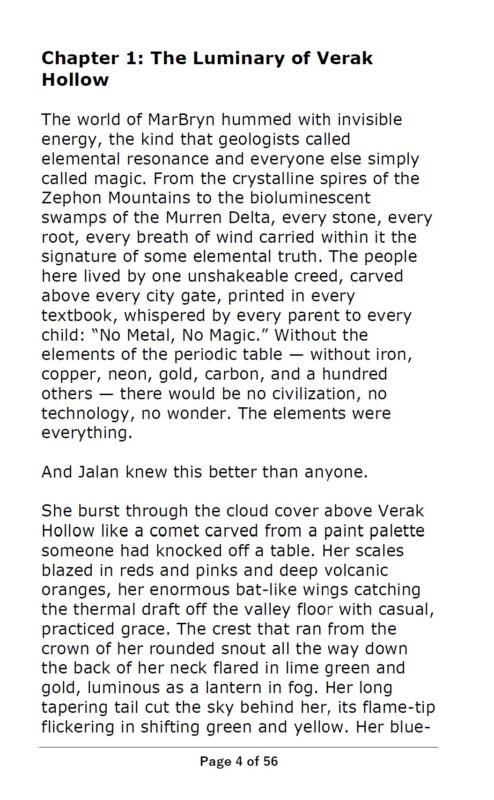
There’s a moment in the opening pages of “Jalan the Elemental Dragon With Neon Magic,” Element 10 in the Magical Elementals Chemistry Fantasy Series, when the heroine bursts through the clouds over Verak Hollow “like a comet carved from a paint palette someone had knocked off a table.” It’s a small line, but it tells you everything about what this book is doing. This isn’t fantasy magic borrowed from familiar tropes of wands and spellbooks. It’s magic built from the periodic table itself, and Jalan, a noble gas given scales and wings, is the perfect ambassador for a world where science and wonder are the same thing.
The world of MarBryn runs on a creed carved above every city gate: “No Metal, No Magic.” Every stone, every root, every breath of wind carries the signature of some elemental truth, and civilization itself depends on iron, copper, carbon, gold, and neon. It’s a wonderfully specific premise for a fantasy series, one that rewards readers who love world-building with real internal logic. The bioluminescent swamps, the crystalline mountains, the ancient stone mechanisms still processing compounds from centuries past: all of it feels earned rather than decorative, because the book has clearly thought through how chemistry becomes myth.
Jalan herself is a delight. She’s vain in the specific way that only someone genuinely extraordinary can be, teasing her companion Coen about his “archeo-printed” map within the first few lines and later admitting to being “significantly insufferable” about winning a flame-pattern competition. But underneath the theatrical flair is someone sharp, observant, and quietly formidable. As Element 10 on the periodic table, she’s a noble gas: “inert under standard conditions but spectacular under excitation,” a line the book returns to again and again as both a scientific fact and a piece of characterization. She doesn’t bond easily, doesn’t commit lightly, but when provoked, she becomes something luminous and unstoppable.are delightfully humorous—because even during a crisis, people still tease, worry, argue, and bond.
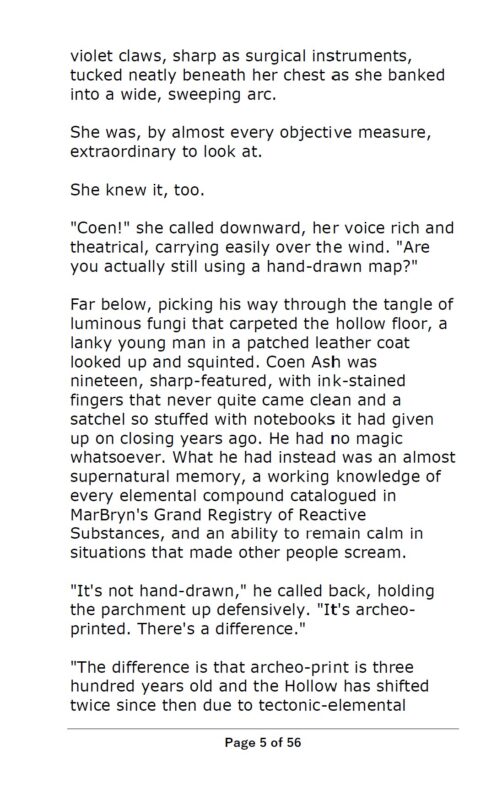
The supporting cast rounds out the story with real texture. Coen Ash, her human companion, has no magic at all, just an ink-stained satchel of notebooks and a memory that catalogs every reactive compound in existence. Tehillah Orn, the chemist they rescue from a collapsed vault, brings brisk scientific authority and a backstory that ties directly into the plot’s central threat. Vondila Tarren, a wilderness guide who asks Jalan point-blank whether she can be quiet, adds a grounded, no-nonsense energy that balances the dragon’s flair.
That threat comes in the form of Maksim Volthen, self-styled the Compound King, who believes that controlling MarBryn’s raw elemental substrata means controlling everything the creed of “No Metal, No Magic” promises. His plan involves drilling into elemental cores at an industrial scale, using pressed labor from nearby settlements, and ultimately triggering a resonance cascade that would render half the region’s elements permanently inert. It’s an ambitious, well-constructed villain motive: not cartoonish greed, but a genuinely unsettling ideology dressed up as reform. His confrontation with Jalan on the Ashwall Range wall, where he calmly explains his reasoning while she seethes with barely contained fury, is one of the book’s strongest scenes.
What elevates this story beyond a typical dragon adventure is its refusal to let action replace thought. The rescue of Dr. Halveth Crane, the infiltration of the Compound Citadel, and the eventual battle sequences are all satisfying, but the book is just as interested in the aftermath: Tehillah’s Conservation Protocol, Halveth’s slow return to purpose, Vondila’s tentative decision to stay “temporarily.” The final chapter, with its quiet morning flight and gathered found family sharing breakfast on a floating market, lands on exactly the right note. It suggests that the real victory isn’t defeating a villain outright, but building something worth protecting.
For readers who love fantasy grounded in genuine world logic, and for anyone curious what happens when the periodic table gets a soul, Jalan is a vivid, clever, and surprisingly tender read. It’s proof that even elements considered “inert” can be spectacular under the right conditions.
Get it in Kindle, Paperback or Audio.
Links and Notes for Jalan’s chemistry inspired magical abilities:
General neon facts (atomic number, noble gas properties, inertness)
- Neon – Wikipedia
- Neon – Royal Society of Chemistry periodic table
- Neon Facts – Science Notes
- Noble Neon – ChemTalk
How neon glows (electrical excitation → emission spectrum — the real-world basis for “spectacular under excitation”)
- How do neon lights work? – Scientific American
- The Science Behind Neon Signs and Atomic Spectra – Lake Tahoe Community College
- How do neon lamps work? – Explain That Stuff
- Emission spectrum – Wikipedia
- Energy levels and spectrum of Ne – BYU (the actual physics of why neon emits its specific glow color)
Discovery history (useful if you ever want an in-world “Second Chemical Age” reference to real chemistry history)
- Neon historical information – WebElements
- Neon: a gas from advertising signs – MEL Chemistry
- William Ramsay – biography