
Title: The Origin of Brass: From Extraction to Commercial Production

Brass, a popular and versatile metal known for its gold-like appearance, has played a significant role in human civilization for centuries. In this article, we will explore the origins of this complex alloy, uncovering its natural occurrence, extraction methods, commercial processing, and its impact on the environment, along with the leading mining and production countries.
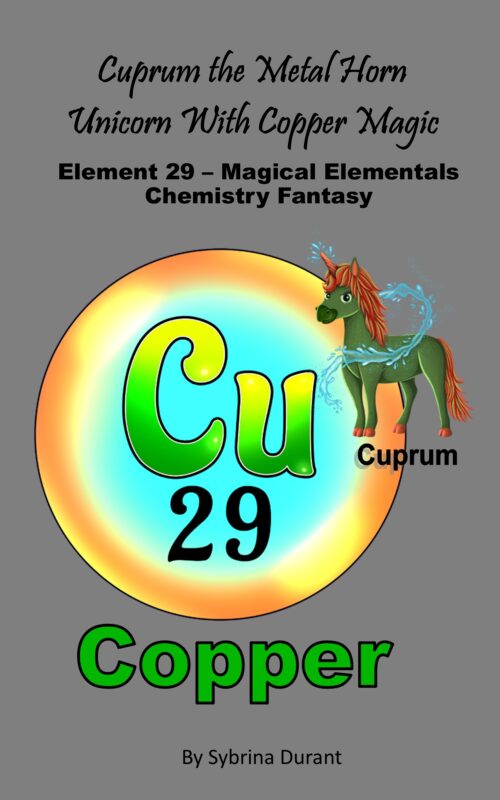
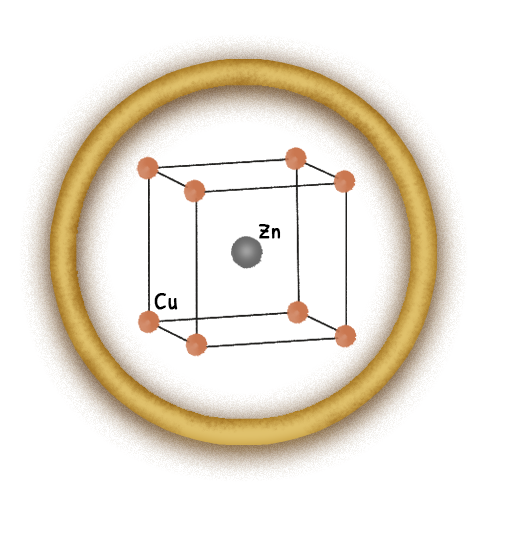
Unlike certain metals, such as gold or platinum, brass does not occur naturally as a pure element. Instead, brass is an alloy made by combining copper and zinc in various proportions. Copper, an abundant element, is found in various deposits around the world. Zinc, on the other hand, is typically extracted from ores such as zinc blende or sphalerite.
The mining process for brass involves three stages: exploration, extraction, and refining. Geological surveys and prospecting are conducted to determine the locations of copper and zinc deposits. Once identified, mining operations begin, with mining methods varying depending on the type of deposit.
For copper, open-pit mining and underground mining are commonly used, while zinc extraction usually involves underground mining. The ores are then crushed and ground into fine particles, followed by a flotation process where specific chemicals are added to separate copper and zinc from other minerals. This process yields copper and zinc concentrates.
The copper and zinc concentrates are transported to a smelter, where they are subjected to a series of complex processes to extract pure copper and zinc. The extracted metals are then combined in various proportions, typically ranging from 60-90% copper and 10-40% zinc, to create different types of brass alloys. Other metals, such as tin, lead, or aluminum, can be added to enhance specific properties if necessary.
The global production of aluminum is substantial, with numerous countries involved in its mining and commercial processing. China, Australia, and Guinea are known for their paramount bauxite reserves, responsible for a significant proportion of the world’s supply. China alone accounted for over half of the global bauxite production in recent years, followed by Australia and Guinea.
However, when it comes to commercial aluminum production, China is also the leading country. The rapid industrialization in China and its vast manufacturing sector have increased the domestic demand for aluminum, prompting the country to develop significant aluminum refining capacity. Other key aluminum-producing countries include Russia, Canada, the United Arab Emirates, and India.
Aluminum, with its exceptional physical properties and versatility, has found essential applications in various industries. Its low density, corrosion resistance, and excellent thermal and electrical conductivity have made it a crucial material in construction, transportation, packaging, and consumer goods. From aircraft construction to beverage cans, automotive parts to household appliances, aluminum’s wide range of applications is a testament to its importance in modern society.
In conclusion, while aluminum is the most abundant metal on Earth’s crust, it does not occur naturally in a pure form. Instead, it combines with other elements in the form of aluminum compounds, primarily found in bauxite. The extraction and commercial processing of aluminum involve the Bayer and Hall-Héroult processes, respectively. The global production of aluminum is primarily driven by China, followed by Australia, Guinea, and other countries. The versatility and physical properties of aluminum have contributed to its wide range of applications in various industries, making it an indispensable material in the modern world.
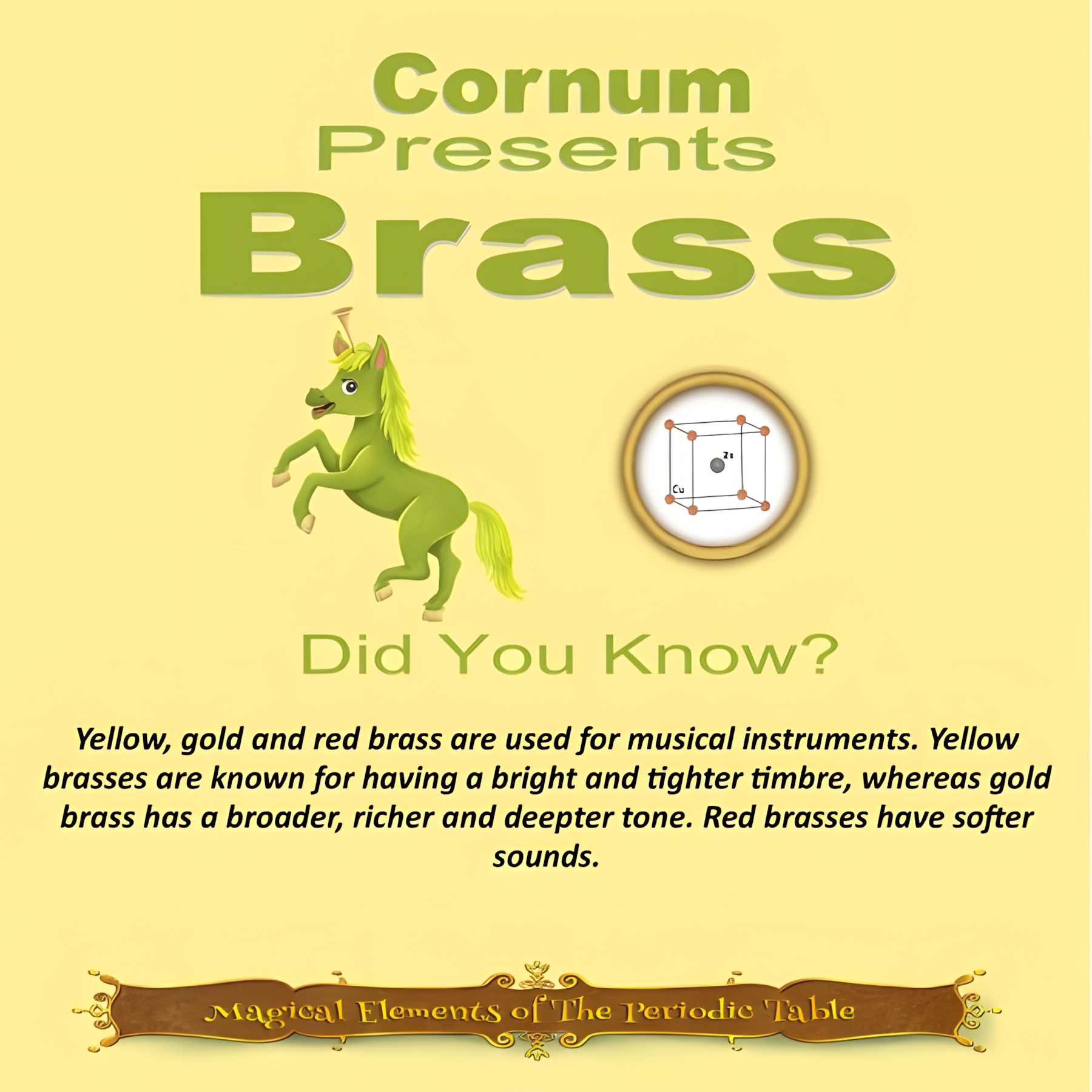
This article is brought to you by Sybrina Durant, the author of the middle grade picture book, Magical Elements of the Periodic Table Presented Alphabetically By The Metal Horn Unicorns. Learn More. In that book Brass is presented by the unicorn, Cornum.


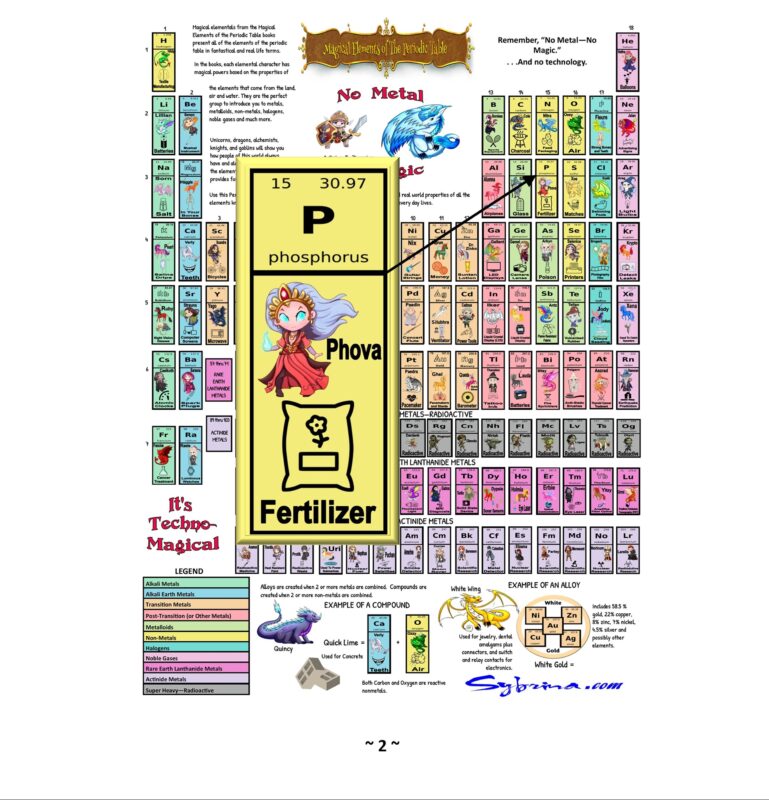
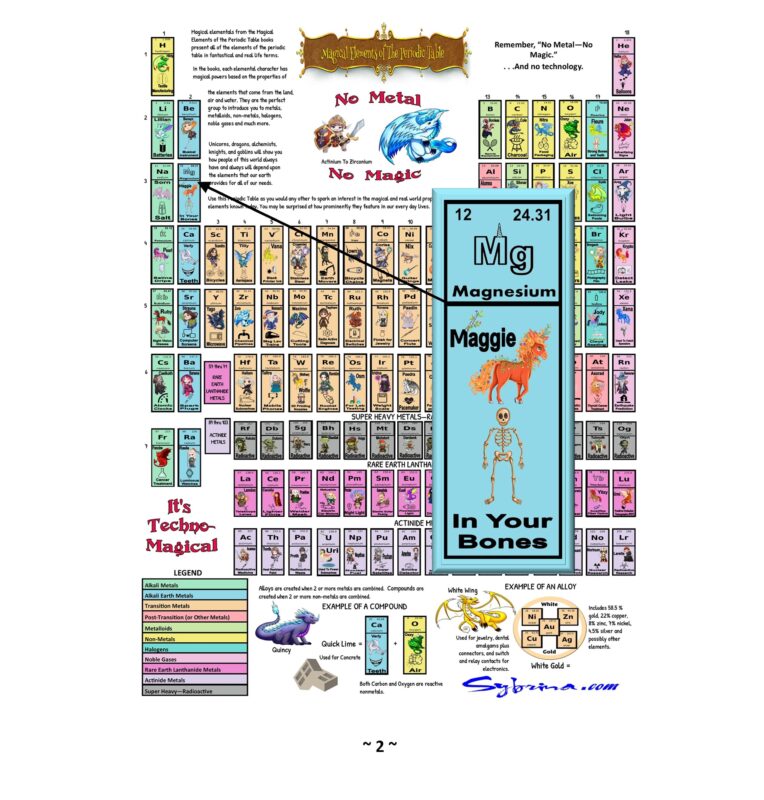
Inter-Active Elemental Fantasy-Themed Periodic Table from Magical Elements of the Periodic Table Presented By The Magical Elementals
Click here to use This Inter-Active Viewer To Learn More About The Elements Each Elemental Represents On This Periodic Table. Want this in a 24″ x 36″ Poster? Click here.

Sybrina Publishing Offers Fun Activities Based On The Book
Magical Elements of the Periodic Table Magical Elementals
Browse Magical Elemental Activities at MagicalPTElements or Sybrina-Publishing on TPT or Classful